Trump’s Venezuela Blitz Hits Brutal Wall: CIA Leaks and Bipartisan Backlash Derail Regime-Change Gamble
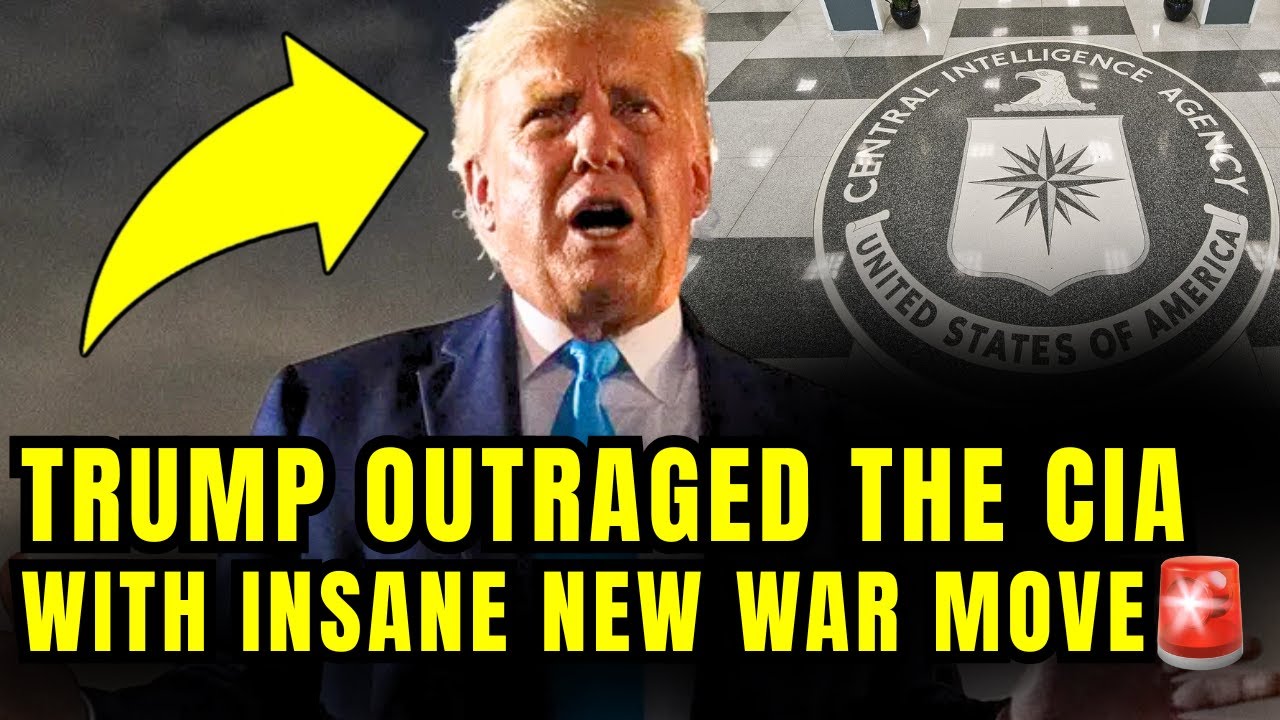
In a stunning turn of events, President Donald Trump’s aggressive push to topple Venezuelan leader Nicolás Maduro has encountered fierce institutional resistance, transforming what was billed as a decisive “America First” victory into a high-profile setback. The dramatic military operation—codenamed Operation Absolute Resolve—saw U.S. forces capture Maduro and his wife in a nighttime raid, but the aftermath has been marred by leaks, congressional outrage, and accusations of reckless overreach.
What began as a bold offensive against the Maduro regime quickly unraveled. Reports suggest CIA insiders and veteran intelligence officials quietly signaled deep concerns about the operation’s scope and legality, with anonymous leaks highlighting risks of mission creep and lack of proper oversight. These whispers from within the intelligence community amplified doubts already brewing in Washington.

Adding fuel to the fire, bipartisan congressional leaders delivered a sharp rebuke. While many Republicans rallied behind Trump, praising the removal of a “narco-dictator,” key Democrats—and even some GOP voices—slammed the move as unconstitutional. Senate Minority Leader Chuck Schumer called it “reckless,” warning of echoes from past regime-change disasters. Critics emphasized that no prior congressional authorization was sought, violating War Powers norms and bypassing the Gang of Eight.
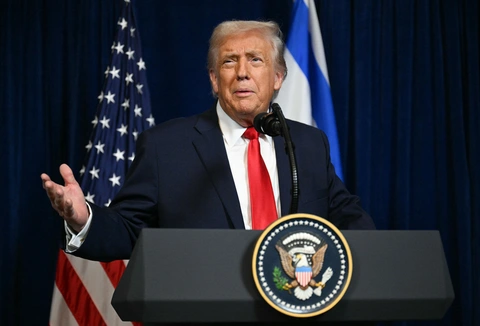
The White House defended the action as essential to combat drug trafficking and protect American interests, with Trump declaring the U.S. would “run” Venezuela until a “safe, proper, and judicious transition” occurs. Yet this sweeping claim only intensified the backlash, raising alarms about long-term occupation, potential quagmire, and a departure from Trump’s earlier promises to avoid foreign entanglements.
Opponents wasted no time framing the episode as a humiliating miscalculation. Commentators pointed to the contrast: a president who once vowed to end “endless wars” now overseeing an abrupt regime change with uncertain endgame. The leaks and criticism have stripped away the aura of unchallenged dominance, exposing the limits of executive power when confronted by entrenched institutional checks.
This rare display of bipartisan frostbite sends a clear message from Washington’s power centers: impulsive leaps into regime change will face steely opposition. Even as Maduro faces charges in New York, the focus has shifted to the home front, where questions about legality, strategy, and future costs dominate headlines.
The fallout could ripple far beyond Venezuela. Analysts warn that the perceived fumble risks undermining broader U.S. geopolitical credibility, emboldening adversaries and complicating relations in the Western Hemisphere. Regional leaders from Brazil to Colombia have already condemned the intervention as dangerous precedent-setting.
As the dust settles on this explosive opening to 2026, one thing is certain: Trump’s Venezuela gambit—once touted as a masterstroke—has become a gripping cautionary tale of ambition meeting institutional reality. The final chapter remains unwritten, but the myth of unbreakable presidential clout has taken a serious hit.