Claims of Venezuela Strike Spark Fierce Backlash From U.S. Veterans and Place the White House at the Center of a Growing Controversy
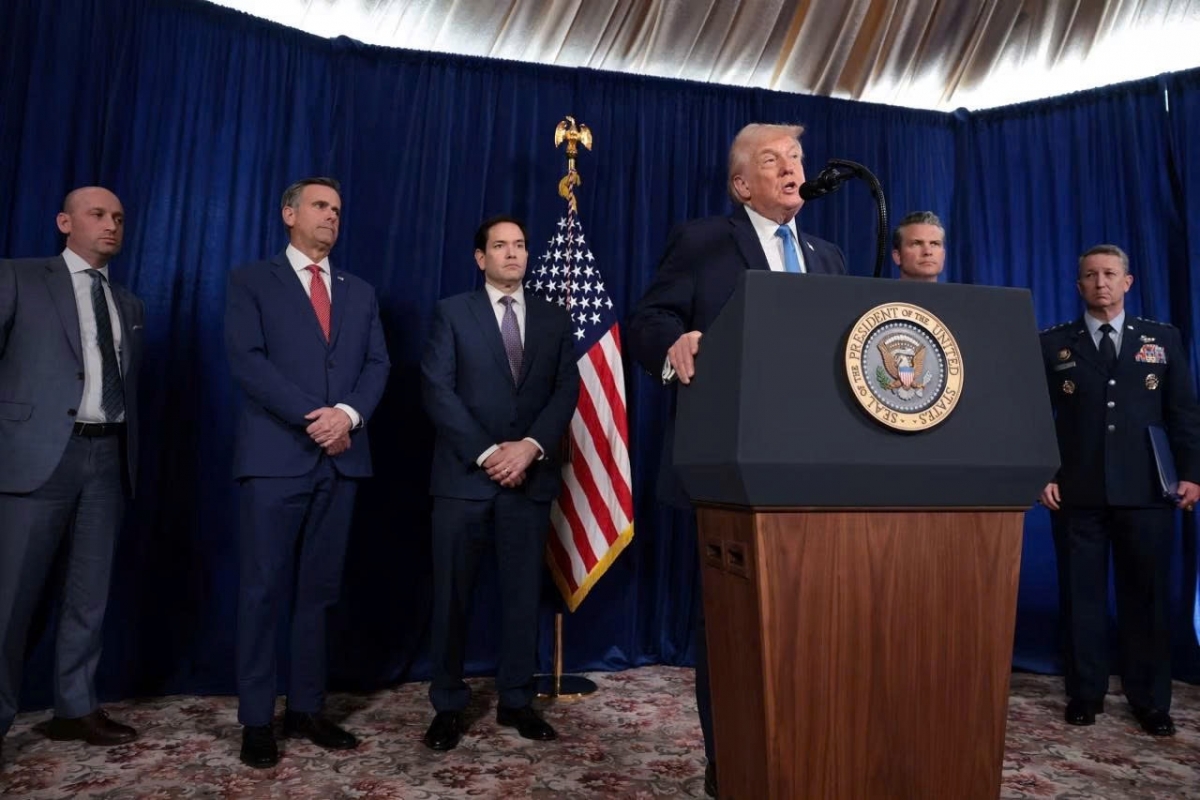
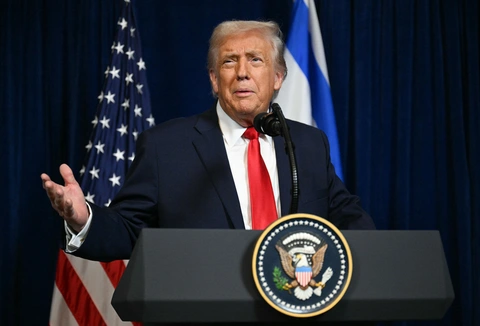
Washington — In the early hours of the morning in Caracas, social media across the United States filled with grainy videos, muffled sounds believed to be explosions, and posts describing low-flying aircraft over Venezuela’s capital. Almost simultaneously, President Donald Trump confirmed that the United States had carried out military actions in Venezuela, igniting a political firestorm in Washington — and an unusually intense wave of condemnation from American military veterans.
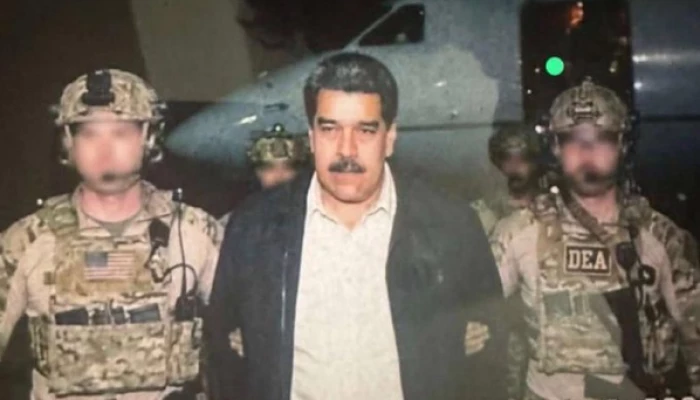
According to President Trump, the strikes had been underway for “several hours,” and U.S. forces had captured Venezuelan President Nicolás Maduro and his wife. As of this writing, however, there has been no independent confirmation from international organizations, the United Nations, the Venezuelan government, or major global news agencies regarding Maduro’s capture or the full scope of the alleged military operation.
Still, the Federal Aviation Administration (FAA) issued a ban on U.S. commercial flights entering Venezuelan airspace, citing “ongoing military activity” — a measure typically reserved for serious security emergencies.
A “No New Wars” Promise Meets a Jarring Turn
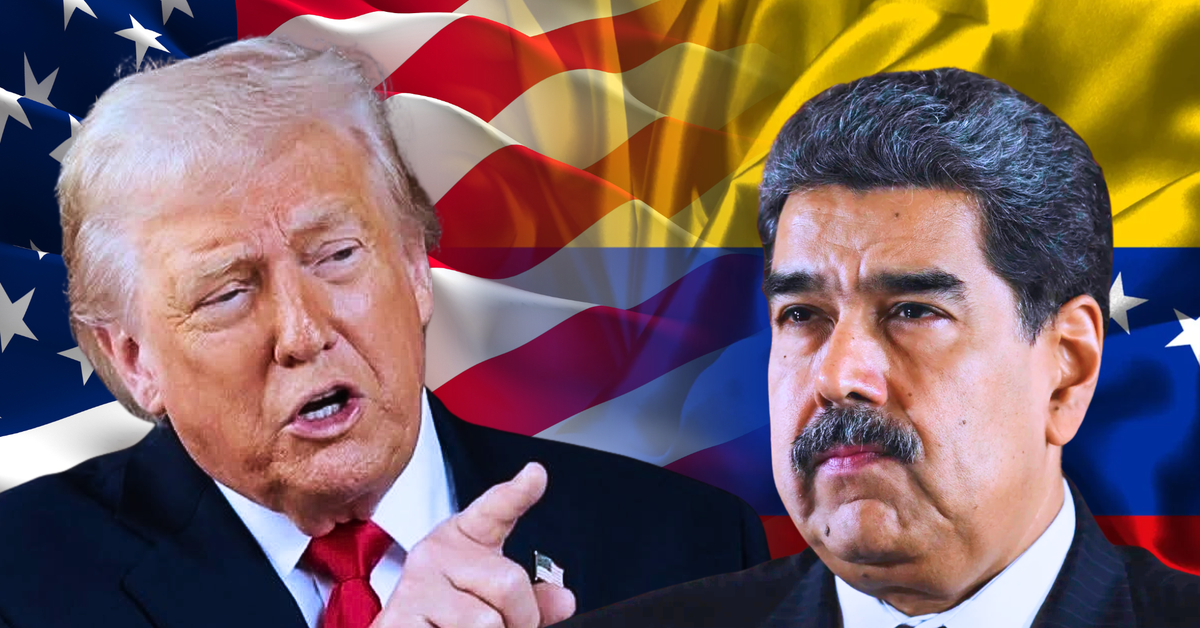
The claims immediately drew comparisons to one of Trump’s most prominent campaign promises, one that resonated deeply with many voters and veterans alike: an end to endless wars.
“I am the candidate of peace,” Trump repeatedly said during his campaign. “No more wars. No more disruptions. We will have prosperity and peace.”
That is precisely why reports — still unverified — of airstrikes, ground troop involvement, civilian casualties, and the detention of a foreign head of state have provoked an unusually sharp response from former U.S. service members, particularly on platforms such as X, TikTok, and Instagram.
Veterans Speak Out: “America Is Not Behind This”
Graham Platner, an Army veteran and U.S. Senate candidate from Maine, wrote on X that just one month earlier, the Senate had voted on a resolution intended to block President Trump from unilaterally launching a military invasion of Venezuela.
“That resolution failed by a narrow margin,” Platner wrote, criticizing Senator Susan Collins for voting against it. “From Iraq to Venezuela, you can always count on politicians like this to enable illegal foreign wars.”
An even more forceful reaction came from Mark Wayne, a U.S. military veteran with a large following on TikTok. In a video that quickly spread across platforms, Wayne addressed active-duty service members directly.
“America is not behind you,” he said. “This is not one of those wars where you come home to applause, Hollywood movies, and parades. People are asking, ‘What the hell is happening?’”
Wayne urged service members to refuse what he described as unlawful orders, arguing that bombing a sovereign country and killing civilians violates not only international law but basic moral principles.
“You have the ability to say no,” he said. “You will not be celebrated as heroes for this.”
Intelligence Questions and Who May Have “Sold Out” Maduro
While some veterans focused on the moral and legal implications, others turned to intelligence and strategic concerns.
Malcolm Nance, a former U.S. Navy officer and former CIA analyst, questioned the plausibility of the operation as described by the White House.
“The precision required for something like this raises serious questions,” Nance wrote. “Who controlled Maduro’s security perimeter? Was he betrayed from within?”
Nance suggested that if Maduro had indeed been captured, it would almost certainly require cooperation from high-level figures inside the Venezuelan government. He publicly speculated about Diosdado Cabello, a powerful longtime figure in the ruling system, while warning that removing one individual would not necessarily change Venezuela’s political ideology or improve conditions for its people.
“If this was about Maduro alone,” Nance wrote, “the system remains — and things could get worse.”
Congress, Legal Authority, and Escalation Risks

Constitutional scholars note that presidential use of military force without explicit congressional authorization has long been a flashpoint in American politics. While Congress holds the power to declare war, presidents from both parties have increasingly relied on commander-in-chief authority to justify rapid military action.
So far, the Trump administration has not publicly outlined a clear legal justification for the reported actions in Venezuela, nor has it released detailed information on civilian casualties, military objectives, or an exit strategy.
Diplomats and regional experts warn that few events unify a country faster than an unprovoked foreign attack, particularly one perceived as violating national sovereignty. The risk of escalation, retaliation, and regional destabilization is now being closely watched in Washington, Brussels, and capitals across Latin America.
A Political Storm Still Unfolding
For President Trump, the timing of the crisis — whether fully accurate or not — carries significant political weight. His administration is already facing mounting domestic pressure, including controversial investigations and growing divisions over America’s role abroad.
Until independent verification emerges, fundamental questions remain unanswered: What exactly happened in Caracas? Was Nicolás Maduro truly captured? And if U.S. military force was used, what will be the legal, moral, and geopolitical cost?
One reality, however, is already clear: Trump’s promise of “no more wars” is now being publicly challenged by American veterans themselves, and the controversy surrounding Venezuela appears to be only in its earliest stages.