By XAMXAM
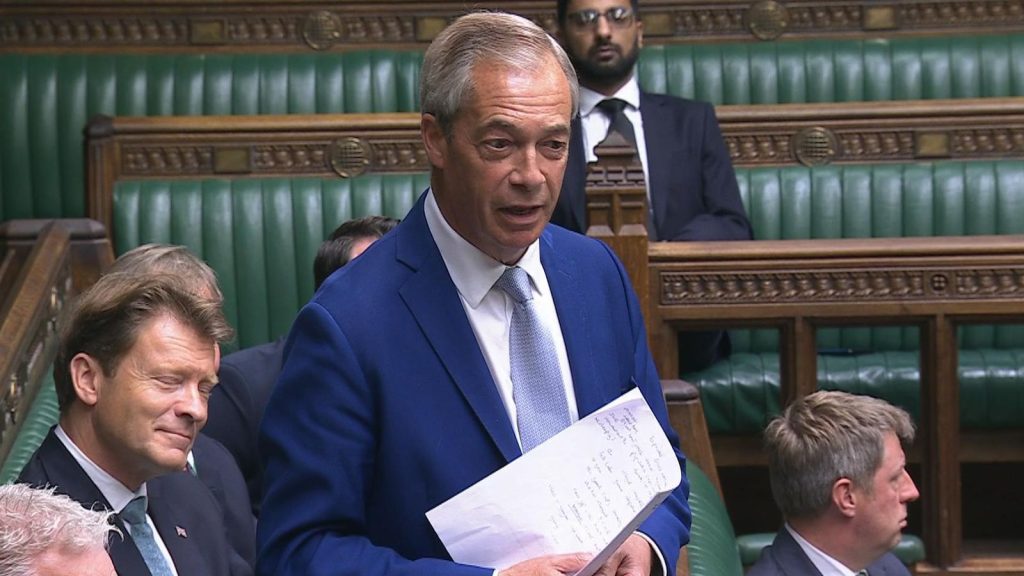
In the space of a few hours, a dramatic video rocketed across social media claiming that Nigel Farage had “forced” Keir Starmer out of Parliament—physically escorted by security, in scenes billed as unprecedented and nation-shaking. The clip’s narration was breathless, the imagery authoritative, the conclusions absolute. It also illustrated something increasingly familiar in British politics: how quickly a compelling story can outrun verifiable reality.
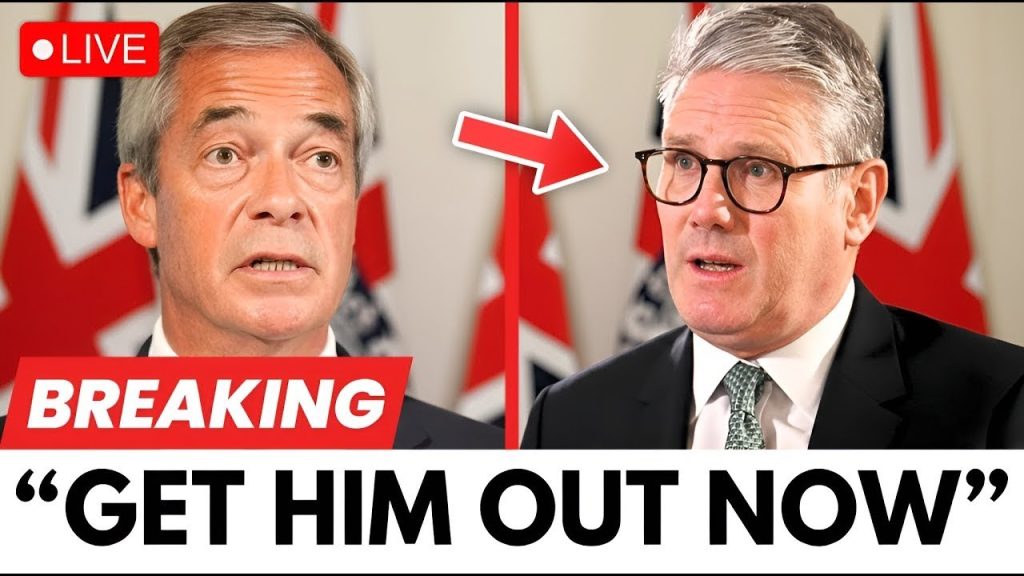
The video’s core claim—that a sitting prime minister was ejected from the House of Commons under a rarely used standing order—spread with astonishing speed. Hashtags trended. Commentators opined. Polls were cited. International reaction was invoked. Within the online ecosystem, the event had already happened. Yet outside that ecosystem, among parliamentary records and broadcast archives, it had not.
To understand why the story gained traction, one must first understand the theater of Westminster. The Commons is adversarial by design. Tempers flare. The Speaker calls for order. Members are named and asked to withdraw. But the spectacle described—security officers removing a prime minister mid-session—is not part of modern parliamentary practice. Standing orders empower the Speaker to maintain order, including asking members to leave, but the constitutional choreography around a prime minister is far more constrained and, crucially, transparent.
What the viral clip did deftly was fuse plausible elements—heated exchanges, immigration debates, sharp rhetoric—with a cinematic escalation. The narrative leaned on familiar anxieties: border control, leadership temperament, institutional stability. It juxtaposed Farage’s calm with Starmer’s supposed rage, inviting viewers to infer character from contrast. In doing so, it transformed an imagined procedural sanction into a symbolic verdict on authority.
This is not to say that politics is immune to disruption. Britain has endured years of volatility, from Brexit to rapid leadership turnover. Trust in institutions is fragile. In such an environment, audiences are primed to believe that “the unthinkable” has happened. The clip exploited that readiness, presenting a story that felt true to prevailing moods even if it was not true in fact.
Farage’s role in the narrative was also instructive. As a seasoned communicator, he has long understood how to frame moments as referendums on the establishment. In the video, his alleged composure becomes a proxy for competence; Starmer’s alleged loss of control, a proxy for failure. Whether or not Farage said the quoted lines in that setting is beside the point for viral logic. What mattered was the moral: one man steady, another unsteady; one ascendant, another diminished.
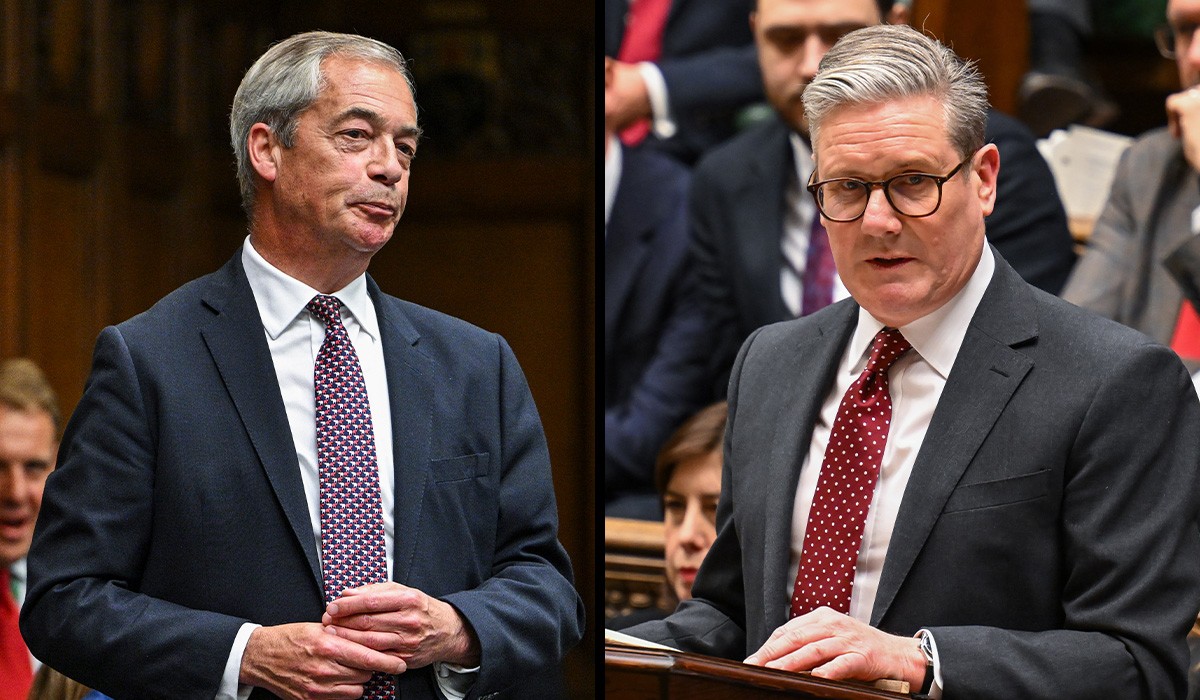
Starmer’s silence—real or alleged—was similarly weaponized. In fast-moving digital cycles, absence is often read as guilt or collapse. Yet governing rarely unfolds on the timelines of social media. The gap between parliamentary procedure and platform virality is where misperception thrives.
There is a broader lesson here about the media environment. Long-form institutions verify; short-form platforms amplify. When amplification comes first, verification can struggle to catch up. Corrections, when they arrive, travel more slowly than the original claim. The result is not merely a false story, but a residue of belief that lingers even after debunking.
For Parliament, the episode underscores the importance of civic literacy. Understanding how the Commons works—what the Speaker can and cannot do, how discipline is imposed, how authority is exercised—acts as an inoculation against spectacular misinformation. For political leaders, it highlights a different vulnerability: reputations can be recast overnight by narratives untethered from the record.
None of this diminishes the real debates roiling British politics. Immigration policy remains contentious. Leadership styles are scrutinized. Opposition figures test the government’s resolve. Those arguments will continue, loudly and legitimately, on the Commons floor. But the viral tale of a prime minister “forced out” belongs to another category altogether: political fiction designed for maximum emotional yield.
In the end, the crisis described by the video was not constitutional but informational. The institutions held; the story did not. That distinction matters. In an age when images persuade faster than minutes of Hansard, the health of democracy may depend less on what happens in Parliament than on how faithfully those happenings are conveyed beyond its walls.