A political tremor is rippling through Washington and conservative media as Rupert Murdoch, the influential media mogul behind Fox News and The Wall Street Journal, appears to issue an unmistakable end-of-year warning to Donald Trump. Once a powerful amplifier of Trump’s political rise, Murdoch’s media empire is now sending clearer signals of distance, reflecting a broader sense of unease within the Republican Party as internal fractures deepen ahead of the next election cycle.
The shift is subtle but significant. Recent editorials, commentary, and coverage from Murdoch-owned outlets have increasingly highlighted Trump’s legal troubles, electoral baggage, and the risks he poses to Republican prospects. Rather than full-throated defense, the tone has moved toward caution—framing Trump as a liability rather than an asset. For many GOP insiders, this change reads less like coincidence and more like a strategic recalibration by a media powerbroker known for sensing political tides early.
Inside the Republican Party, the consequences are already visible. Key donors, strategists, and elected officials are quietly hedging their bets, exploring alternatives as concerns grow about Trump’s ability to win a general election. Polling volatility, mounting court cases, and voter fatigue have fueled anxiety that unwavering loyalty to Trump could sink down-ballot races. As a result, what once looked like party unity now resembles controlled retreat.
Murdoch’s apparent repositioning carries outsized influence. Conservative media has long served as both a mirror and a motor of Republican politics, shaping narratives that energize voters and discipline dissent. When that ecosystem begins to question its most dominant figure, it sends a powerful message to lawmakers and voters alike: the era of automatic alignment may be ending. For Trump, losing even partial media shelter could accelerate political isolation.
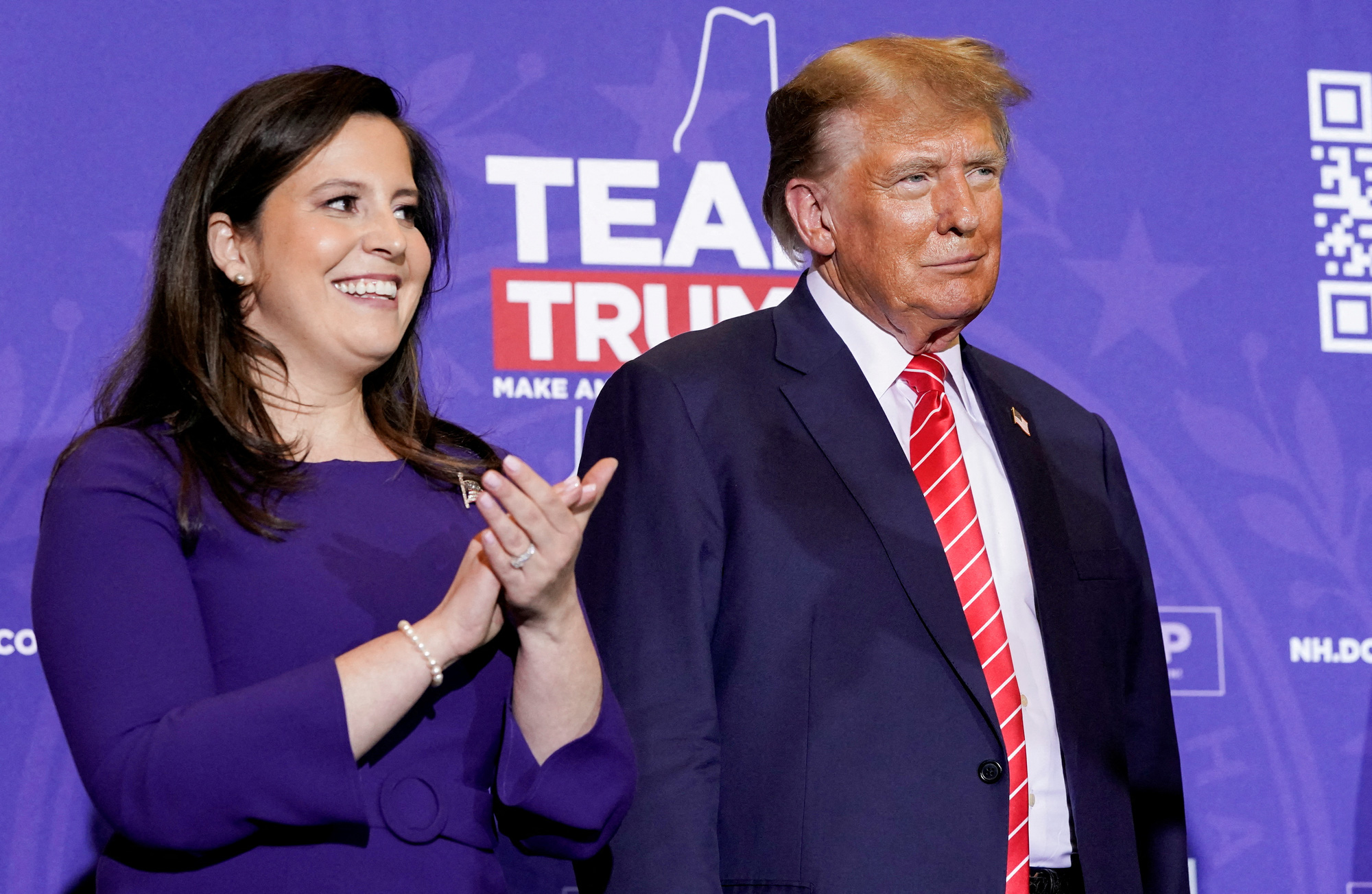
The broader implication is a GOP at a crossroads. Clinging to Trump risks alienating moderates and independents, while breaking away threatens backlash from a still-loyal base. This tension has produced paralysis—public loyalty paired with private doubt. Murdoch’s warning, implicit though it may be, sharpens that dilemma and forces Republicans to confront a future that may no longer revolve around a single figure.
As the year closes, the Republican Party faces a defining test of survival and identity. Whether Trump can weather the combined pressure of legal jeopardy, donor unease, and shifting media winds remains uncertain. What is clear, however, is that the once-unshakable alliance between Trump and the conservative establishment is showing visible cracks—and the race to adapt may determine who stays afloat as the political ship takes on water.