Justice Department Accused of Judge Shopping in Brennan Probe, Raising Alarms Over Political Interference
WASHINGTON — A quiet but consequential dispute unfolding inside the federal judiciary in South Florida is rapidly becoming a test of whether the Justice Department can credibly claim independence from President Donald Trump, as lawyers for former CIA Director John Brennan accuse federal prosecutors of manipulating judicial procedures to target a political adversary.
At the center of the controversy is a 16-page letter sent over the weekend to Chief Judge Cecilia Altonaga of the U.S. District Court for the Southern District of Florida. The letter, written by attorneys from the international law firm Mayer Brown on behalf of Mr. Brennan, alleges that the Justice Department is improperly steering a grand jury investigation to a specific judge — Aileen Cannon of Fort Pierce — whom President Trump has publicly praised and who has previously issued rulings favorable to him.
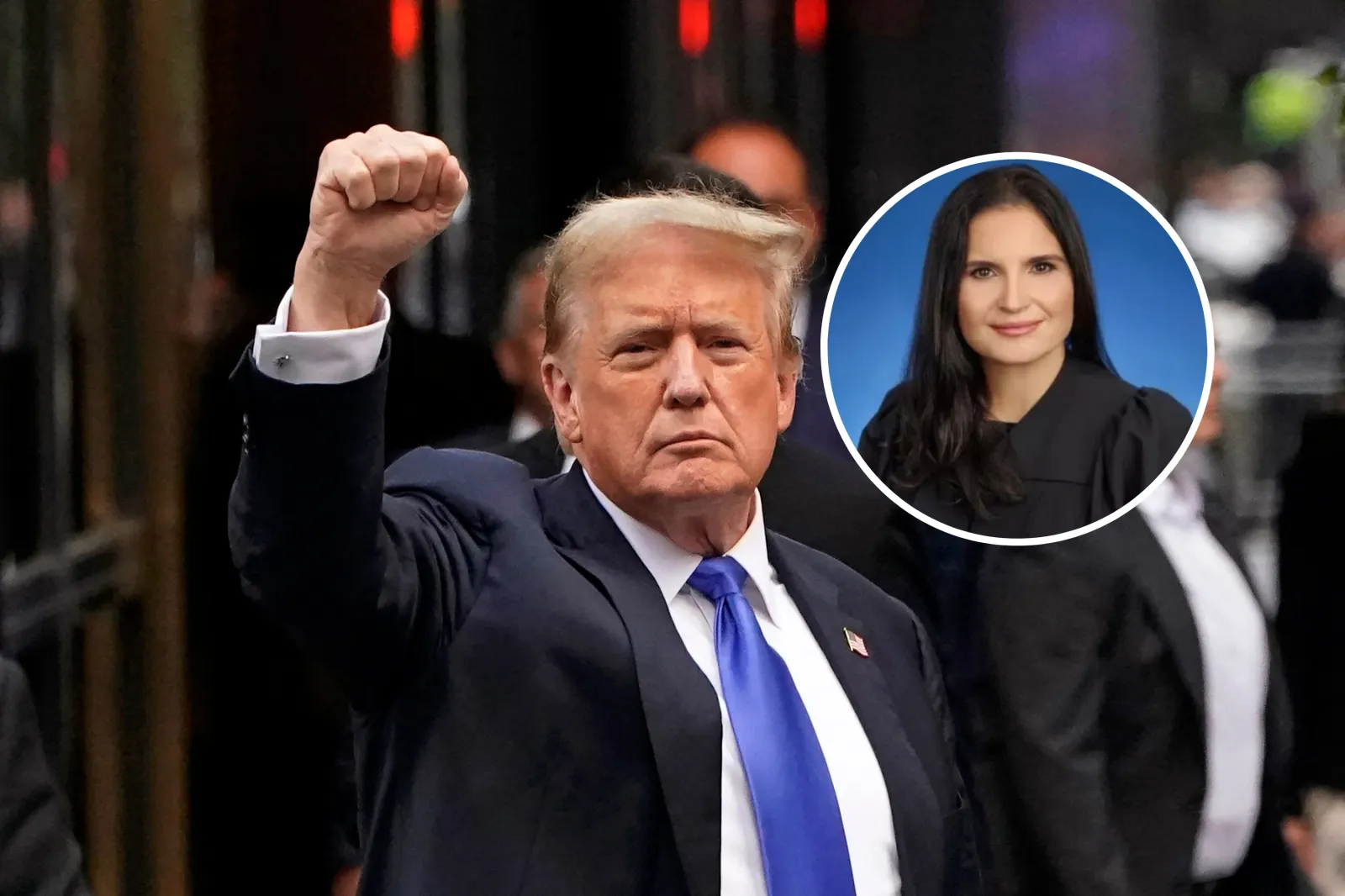
The letter does not accuse Judge Cannon of corruption. But it warns that a pattern of prosecutorial conduct creates “the appearance of impropriety” and threatens public confidence in the justice system at a moment when institutional legitimacy is already under strain.
A Rare Judicial Appeal
It is unusual for defense counsel to appeal directly to a chief judge while a grand jury investigation is ongoing. Such interventions are typically reserved for extraordinary circumstances, including allegations of prosecutorial misconduct or violations of grand jury secrecy.
“This is not routine lawyering,” said a former federal prosecutor familiar with the matter, who spoke on condition of anonymity to avoid professional repercussions. “You only go to a chief judge like this when you believe the integrity of the process itself is at risk.”
According to the letter, multiple U.S. attorney’s offices — including the Eastern District of Pennsylvania and the Eastern District of Virginia — previously reviewed potential allegations against Mr. Brennan and declined to pursue charges. The Brennan team argues that the renewed investigation in Florida, under a newly confirmed U.S. attorney, reflects political pressure rather than new evidence.
The Fort Pierce Question
The Southern District of Florida stretches more than 200 miles, from Key West to Fort Pierce. Prosecutors have discretion over where to empanel grand juries within the district, but Brennan’s lawyers argue that the decision to focus proceedings in Fort Pierce — where Judge Cannon is the sole district judge — is deliberate.
Judge Cannon drew national attention in 2022 when she intervened in the investigation into classified documents recovered from Mr. Trump’s Mar-a-Lago estate, a move later rebuked by the U.S. Court of Appeals for the Eleventh Circuit. More recently, she dismissed Special Counsel Jack Smith’s prosecution of Mr. Trump on constitutional grounds, further elevating her profile among Trump allies.
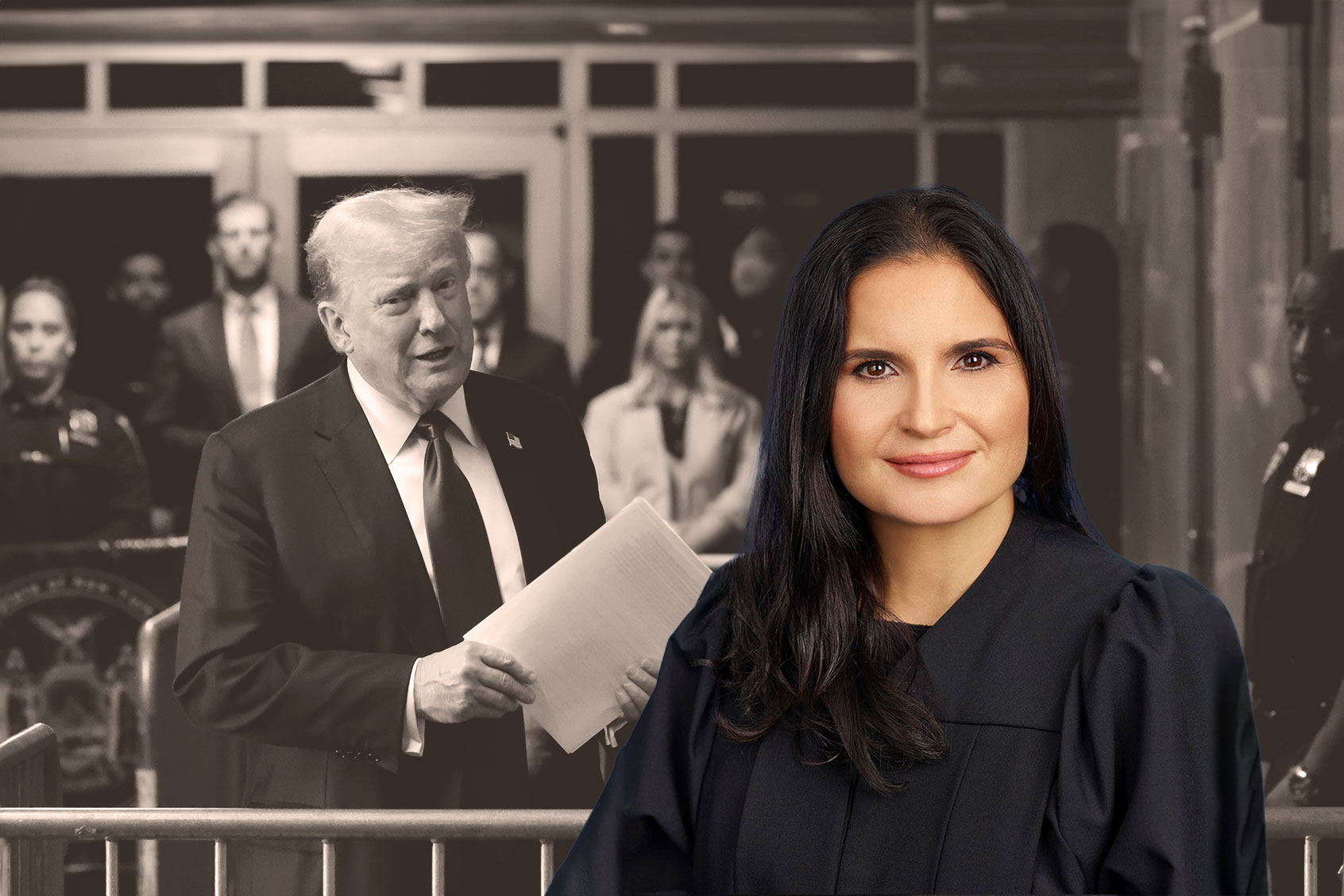
The Brennan letter catalogs those rulings in detail, arguing that prosecutors could reasonably view Judge Cannon as “an accommodating courtroom” for cases involving the president’s perceived political enemies.
Legal scholars caution that even the appearance of judge shopping — selecting a forum for strategic advantage — can undermine confidence in the judiciary.
“The system relies on random assignment for a reason,” said Amanda Frost, a constitutional law professor at the University of Virginia. “Once people believe outcomes are being engineered, legitimacy erodes very quickly.”
Political Pressure Campaign

The controversy did not arise in a vacuum. In recent weeks, longtime Trump ally Roger Stone publicly called for Mr. Brennan’s arrest during media appearances, accusing him — without evidence — of treason and criminal conspiracy related to the Russia investigation.
Those comments were amplified by conservative influencers and commentators, including Mike Davis, a former Senate Judiciary Committee aide who has frequent media access and social media reach. Mr. Davis has publicly asserted that Mr. Brennan and former FBI Director James Comey are under criminal investigation, claims that Brennan’s lawyers say could only originate from improper leaks.
Federal Rule of Criminal Procedure 6(e) strictly prohibits disclosure of grand jury matters. Violations can carry serious penalties.
“The public messaging looks coordinated,” said a former Justice Department ethics official. “When media figures appear to know investigative details, that raises immediate red flags.”
Pam Bondi’s Response

Instead of filing a formal response with the court, Attorney General Pam Bondi addressed the controversy through a statement to Just the News, a conservative outlet. In it, she described Mr. Brennan and his lawyers as “bad actors” attempting to shield themselves from accountability.
Ethics experts say the statement may compound the department’s problems.
“Publicly disparaging the target of a grand jury investigation is highly discouraged,” said Stephen Gillers, a professor of legal ethics at NYU. “It risks prejudicing proceedings and may itself violate professional responsibility rules.”
The Brennan team is expected to submit Bondi’s remarks as additional evidence of improper conduct, according to people familiar with their strategy.
Statute of Limitations Hurdles
Beyond procedural concerns, the letter raises a substantive obstacle: time. Most federal crimes carry a five-year statute of limitations. The conduct at issue — intelligence assessments and investigative decisions made during and after the 2016 election — occurred nearly a decade ago.
While prosecutors could theoretically pursue conspiracy or false-statement theories, legal analysts say such efforts would face steep hurdles.
“Statute-of-limitations issues here are not minor,” said a former senior DOJ official. “They are potentially fatal.”
A Broader Test for the Rule of Law
For Chief Judge Altonaga, the decision now looming is whether to intervene in the administration of the grand jury — potentially reassigning it or issuing guidance to prevent forum manipulation.
Her choice will resonate far beyond South Florida.
“This case has become a proxy battle over whether the Justice Department serves the law or the president,” said a former federal judge. “How the court responds will send a signal.”
The Justice Department declined to comment beyond Attorney General Bondi’s statement.
Mr. Brennan has denied all allegations and has not been charged with any crime.
As the dispute unfolds, it underscores a growing reality of American governance: legal processes once insulated from partisan warfare are increasingly becoming its front lines.