Trump’s Mar-a-Lago Meltdown: Confusion, Contradictions, and a Faltering Grip on Ukraine Peace Talks
What was meant to be a pivotal meeting between Donald Trump and Ukraine’s President Volodymyr Zelensky at Mar-a-Lago instead raised new alarms about credibility, clarity, and leadership. Once promising to end the Russia–Ukraine war within 24 hours, Trump has steadily walked back his own timelines—from days, to weeks, to months, and now to no deadlines at all. The meeting exposed not progress, but a growing gap between bold promises and political reality.
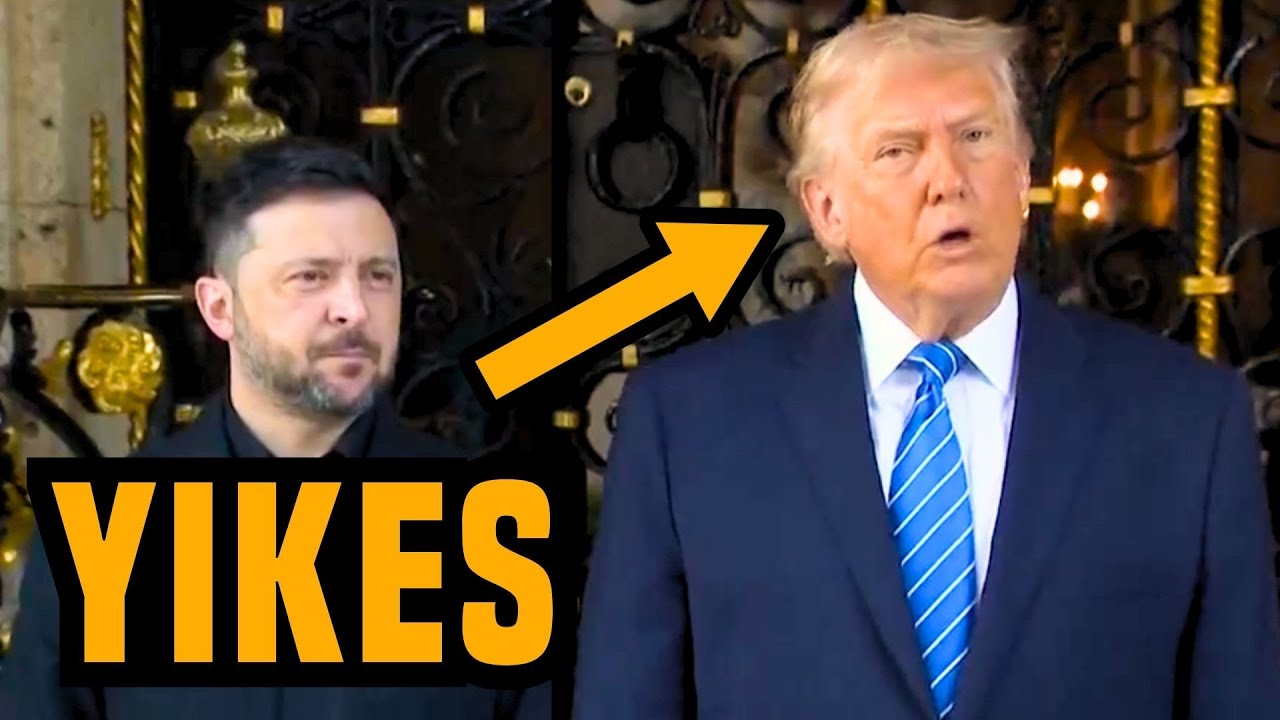
Before the talks even began, Trump signaled a troubling misread of the conflict by insisting that Vladimir Putin was “very serious about peace”—a claim made just hours after Russia launched overnight bombings across Ukraine. For critics, this moment underscored a fundamental problem: meaningful negotiations are impossible when one side minimizes or misrepresents clear acts of aggression. Russia started the war, yet Trump repeatedly framed the violence as if “both sides” were equally responsible.
That confusion deepened when reporters pressed Trump on his previously stated ultimatums for Putin. Gone were the firm deadlines and threats of consequences. Instead, Trump abruptly claimed there were no timelines at all. The reversal suggested a loss of leverage and reinforced the perception that Trump lacks a concrete strategy to compel Russia toward peace. In diplomacy, abandoned deadlines are often read as weakness—and adversaries take note.
Tensions escalated further during Trump’s combative exchange with journalists. When asked direct questions about accountability and security guarantees, he dismissed them as “dumb,” snapping at reporters rather than clarifying his position. At one point, the scene devolved into an awkward, almost surreal moment where Trump offered food to the press, joking about bribes and ushering reporters out—behavior critics described as erratic and unbecoming of a high-stakes diplomatic setting.
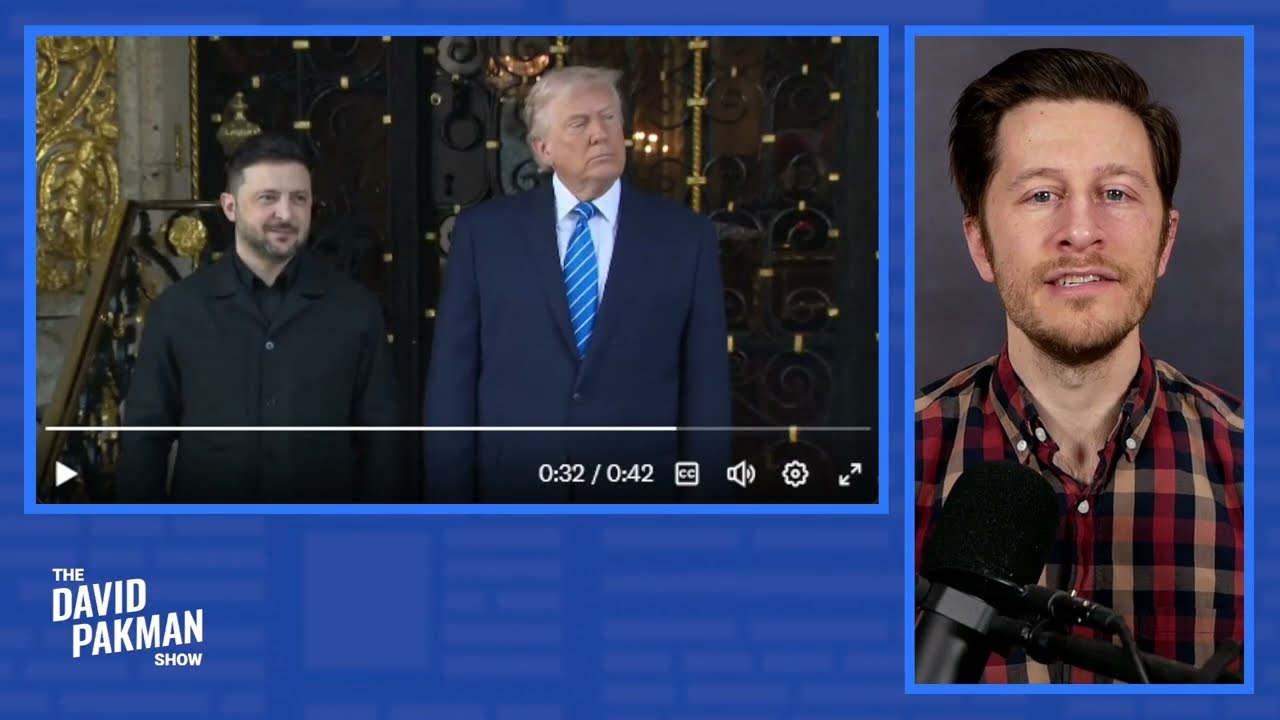
Substantively, Trump again blurred moral lines by equating Ukraine’s defensive actions with Russia’s invasion, suggesting vaguely that “they’re both bombing.” This framing ignored the core reality of the war and frustrated observers hoping for firm acknowledgment of Ukraine’s sovereignty. A clear path to peace, many argue, begins with Russia withdrawing from occupied territory—an option Trump conspicuously avoided emphasizing.
In the end, the Mar-a-Lago meeting revealed less about progress toward peace and more about Trump’s declining coherence on one of the world’s most critical conflicts. As the war grinds on, vague promises, abandoned deadlines, and public confusion weaken U.S. influence rather than strengthen it. For allies and adversaries alike, the message from this appearance was stark: rhetoric without leverage is not leadership—and peace requires far more than improvisation.