HOT MIC MELTDOWN: Trump’s Private Rant to Netanyahu Exposes Chaos, Grievances, and a So-Called “Peace” Agenda
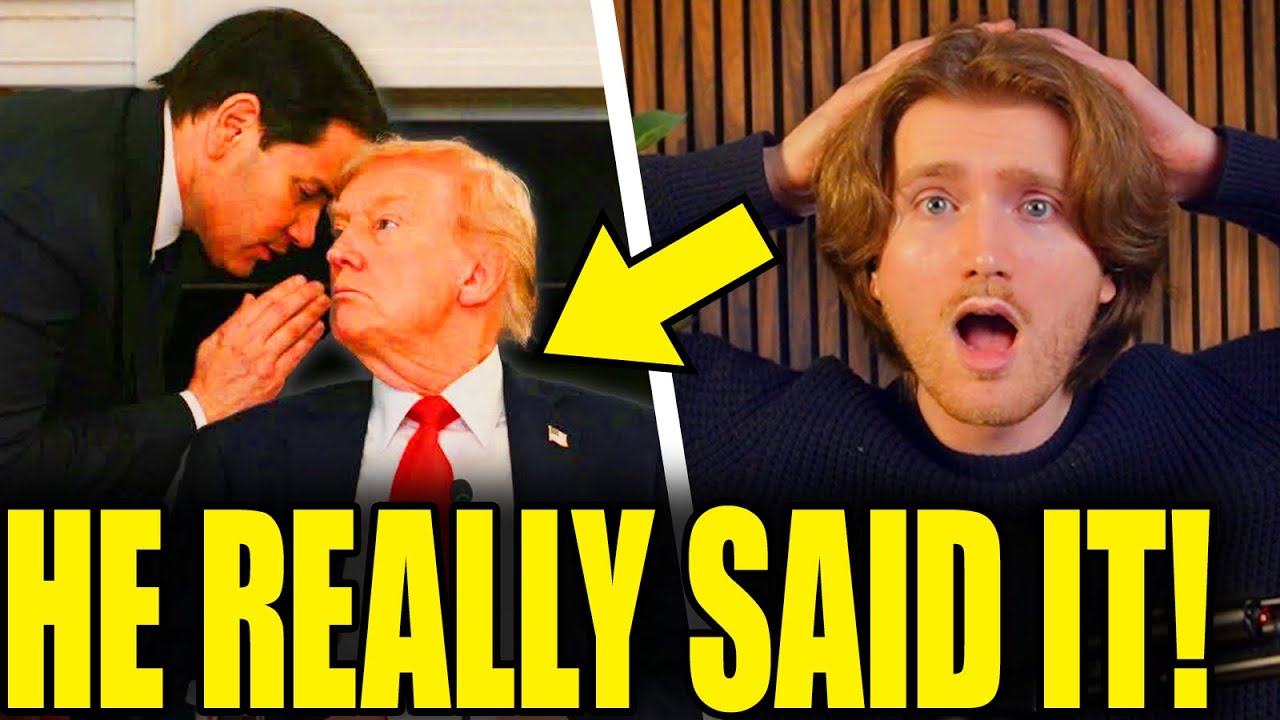
A stunning hot-mic moment at Mar-a-Lago has ignited fresh controversy after Donald Trump was caught ranting to Israeli Prime Minister Benjamin Netanyahu, just moments before reporters were abruptly ushered out of the room. What was billed as a high-level discussion about peace quickly unraveled into a revealing display of personal grievances, political bitterness, and mutual back-patting, offering a rare glimpse into how Trump conducts sensitive foreign policy conversations behind closed doors.
The incident unfolded as Trump and Netanyahu met amid escalating global tensions. As journalists were removed, Trump was overheard boasting about trade threats, tariffs, and supposed diplomatic “wins,” while complaining about a lack of recognition for his actions. The tone was not one of diplomacy but of resentment, underscoring how Trump frames international relations through personal slights and perceived betrayals rather than coherent strategy or humanitarian concern.
This moment came against the backdrop of continued violence in Gaza and Trump’s repeated claims of being a peacemaker. Despite mainstream headlines praising supposed ceasefire efforts, reports continue to document ongoing deaths and military actions, undermining the very notion of peace. Trump’s comments, including his open support for pardons of controversial political allies, further fueled criticism that his approach prioritizes loyalty and power over international law or civilian lives.

Netanyahu, for his part, appeared eager to indulge Trump’s narrative, reinforcing shared grievances against the media, international institutions, and political opponents. Their interaction highlighted a transactional relationship built on mutual validation, where criticism is dismissed as persecution and accountability is reframed as a conspiracy. Critics argue this dynamic has dangerous implications, especially when both leaders face mounting scrutiny at home and abroad.
Equally alarming was the aggressive effort to control the press. Trump’s removal of reporters, followed by mocking remarks about media attention, reinforced long-standing concerns about transparency and press freedom. This posture contrasts sharply with his administration’s broader crackdown on dissent, including protests and speech related to U.S. foreign policy, particularly on college campuses and within civil society.
Ultimately, the hot-mic episode did more than embarrass—it crystallized a pattern. Trump’s foreign policy, critics say, is driven less by peace or stability and more by ego, resentment, and transactional alliances. As the world watches ongoing conflicts and democratic norms strain under pressure, moments like this raise urgent questions about leadership, accountability, and the true cost of governing through grievance rather than principle.