Washington — The House Judiciary Committee hearing featuring Kash Patel was not billed as a breakthrough. No new documents were released, no criminal referrals announced. Yet by the time it ended, the session had achieved something more durable: it placed disputed claims, denials and internal procedures into the congressional record, creating a permanent point of reference for future investigations into how the federal government has handled records connected to Jeffrey Epstein.
For hours, Democratic lawmakers pressed Patel on whether the Federal Bureau of Investigation had given special treatment to Epstein-related materials that referenced former President Donald Trump. Their questions were narrow but persistent: Were Trump-related documents reviewed differently? Were files flagged for senior review? And why, months after Congress mandated disclosure, do significant portions remain unreleased?
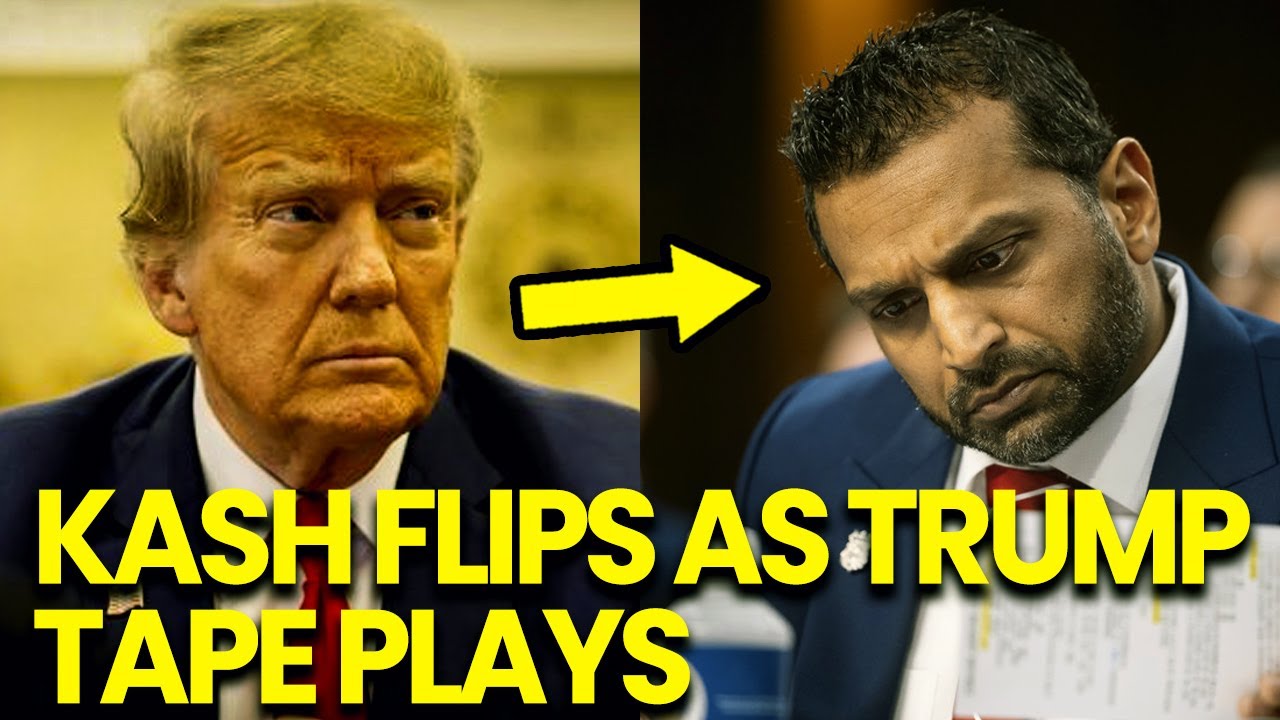
Patel’s answers were consistent in theme if not always in tone. He denied that the bureau conducted a targeted review designed to protect Mr. Trump and said the F.B.I. was complying with court orders that limit what can be released. Repeatedly, he emphasized that judges — not political appointees — set the boundaries for disclosure, and that violating those orders would itself be unlawful.
That defense did not satisfy his critics. Lawmakers cited whistleblower accounts alleging that references to Mr. Trump were routed through a separate review process and escalated to senior leadership. They also referenced internal materials — including video recordings described during the hearing — that they said suggested heightened concern about the political implications of certain releases. Those materials were not made public, but their introduction into the hearing record was itself significant, experts said.
“Congressional hearings are about creating an evidentiary trail,” said a former federal prosecutor familiar with oversight proceedings. “Once claims and denials are sworn to, they can be tested later against documents, testimony and court filings.”
At several moments, the exchange became tense. Patel accused lawmakers of ignoring the role of the courts, arguing that many of the records they sought were outside the bureau’s unilateral control. Lawmakers countered that Patel had previously suggested broader authority to release materials and were now hearing a more constrained interpretation.
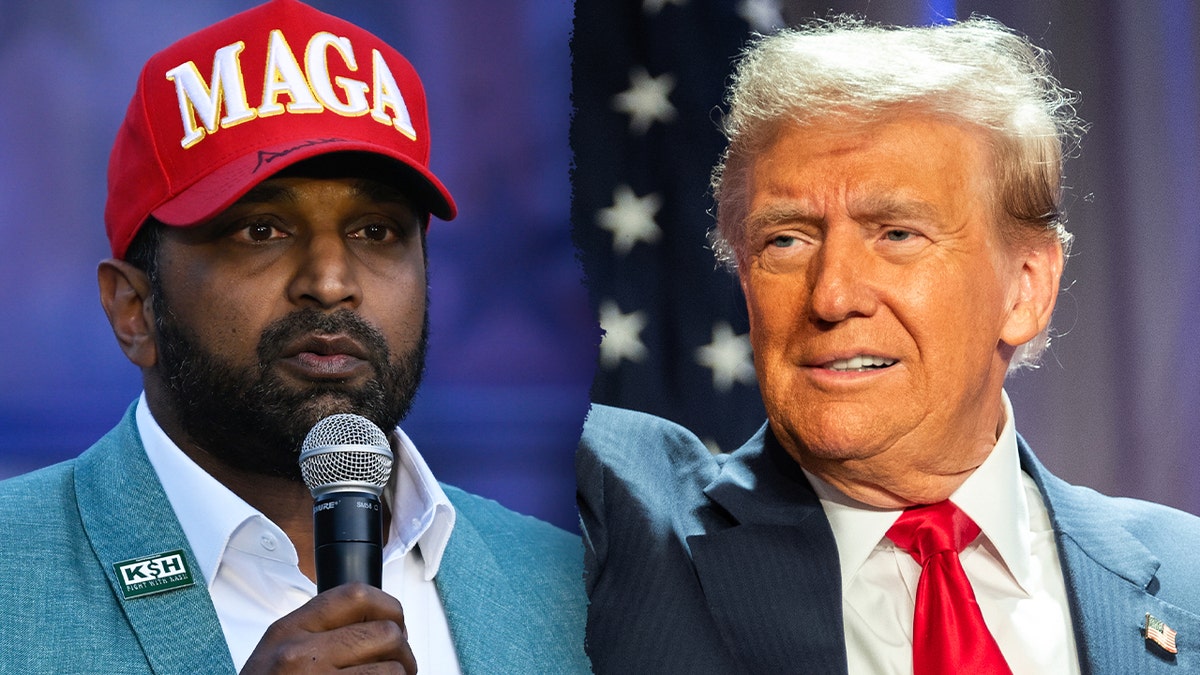
The disagreement highlights a recurring tension in transparency efforts: Congress can mandate disclosure, but courts often determine the limits of what law-enforcement agencies may release, particularly when materials involve victims, sealed evidence or ongoing legal obligations. Navigating that terrain requires not only compliance, but clarity — something critics say has been lacking.
The hearing also revived attention to the Epstein Files Transparency Act, a law passed with bipartisan support and signed by Mr. Trump, requiring federal agencies to release unclassified Epstein-related records by a set deadline. The Justice Department missed that deadline, later releasing documents in stages, many heavily redacted. The F.B.I. has said the volume of material and the need to protect victims explain the delays.
For survivors’ advocates, the spectacle is wearyingly familiar. Each procedural fight risks overshadowing the original purpose of disclosure: to account for institutional failures that allowed Epstein to abuse women and girls for years. Several advocacy groups have urged both Congress and the F.B.I. to focus less on political blame and more on transparent explanation of what exists, what does not, and why.
The political implications, however, are unavoidable. Democrats framed the hearing as a test of whether a law-enforcement agency can resist political pressure when a powerful figure’s name appears in sensitive files. Republicans accused them of insinuation and argued that inclusion in investigative records does not imply wrongdoing. Both sides spoke less about Epstein himself than about institutional trust.
What emerged most clearly was risk — for the bureau and for its director. Patel testified under oath. Any future evidence that materially contradicts his statements could expose him to legal jeopardy, while continued withholding of documents could invite further subpoenas or contempt proceedings. At the same time, releasing material that courts have restricted could trigger sanctions.
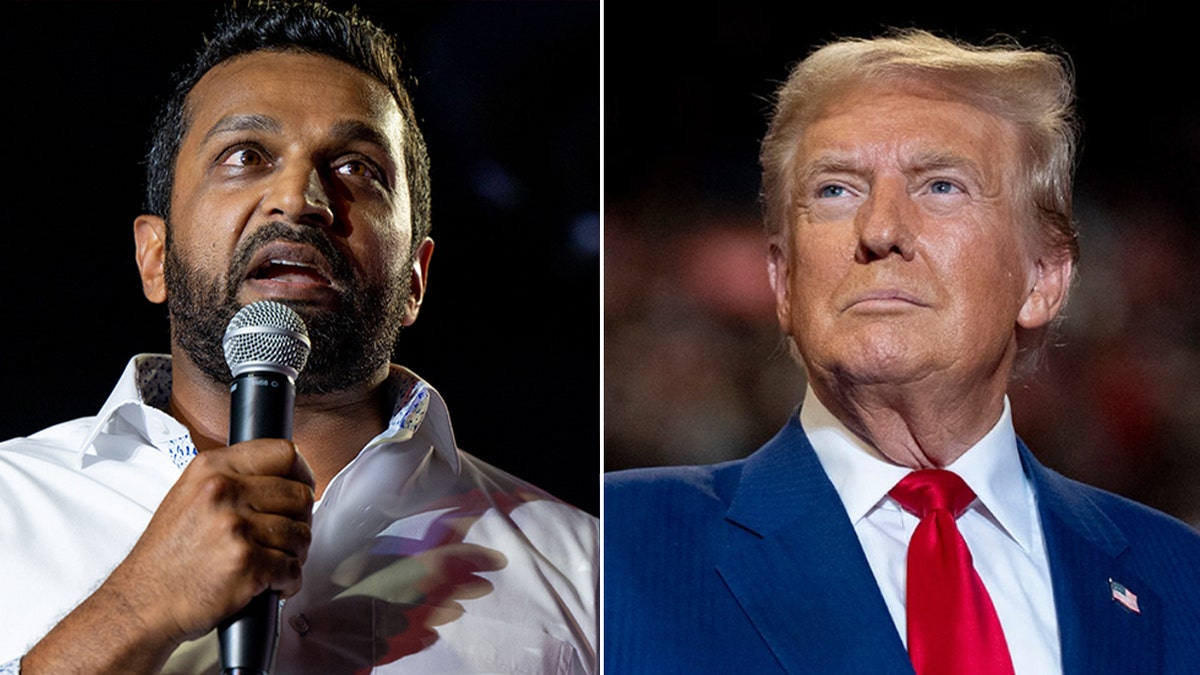
“This is the tightrope for any agency head under oversight,” said a constitutional law scholar. “Answer too much and you risk violating legal constraints. Answer too little and you appear evasive.”
The hearing did not resolve whether Trump-related materials received special handling. It did, however, establish the contours of the dispute: what Congress believes it is owed, what the F.B.I. says it can provide, and how courts mediate between the two. Those questions are likely to resurface as lawmakers pursue additional records and as journalists seek further disclosure through litigation.
In that sense, the significance of the hearing lies not in a single exchange but in accumulation. Testimony was given. Claims were denied. Promises were made. And the record now exists — fixed, searchable and available for comparison as more information emerges.
For an institution that relies on public confidence, that permanence cuts both ways. If the bureau’s account holds, the record will show restraint under pressure. If it does not, the same record will chart where explanations fell short.
Either way, the Epstein files have again become a proxy for a larger question: whether transparency laws can compel disclosure even when politics, courts and institutional caution collide. The answer will unfold not in one hearing, but across many, as the record grows and the demands for clarity continue.