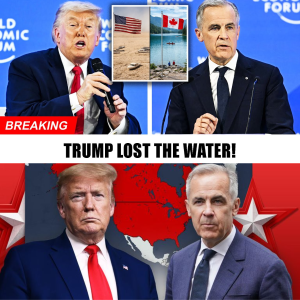
It was supposed to be an easy win. Donald Trump launched what he believed would be a crushing economic and trade war against Canada, openly mocking the country and suggesting it could be bullied into submission. Instead, the move ignited months of fury north of the border. Canadians did not fracture or fold. They organized, boycotted, and quietly redirected their economic power—turning Trump’s own strategy into a weapon aimed straight back at the United States.
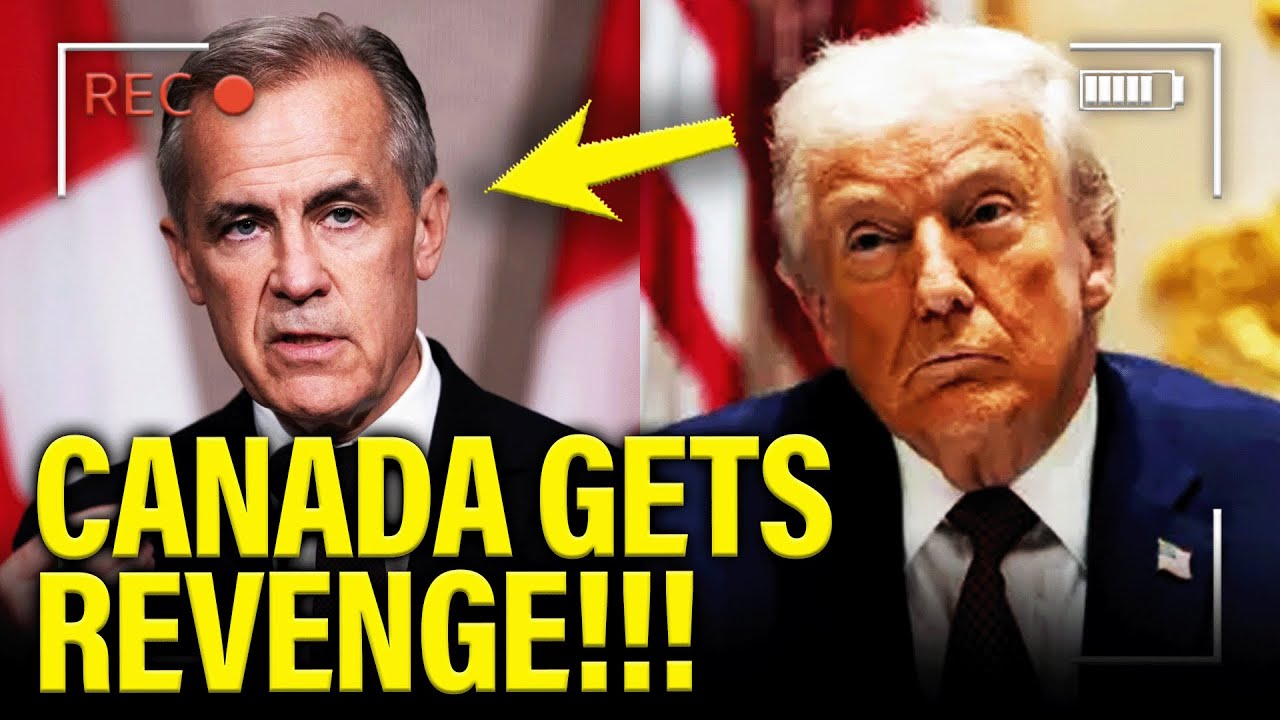
Over the past year, Canada has methodically targeted politically sensitive American industries, particularly those tied to Trump voters and Republican donors. Bourbon, wine, and spirits quickly became ground zero. What Washington dismissed as symbolic retaliation escalated into real damage, as Canadian shelves emptied of iconic U.S. brands. According to labor leaders and industry insiders, this was not accidental—it was a focused response designed to hit where it hurt most.
The fallout in Kentucky has been devastating. Jim Beam, a pillar of American bourbon culture, announced the shutdown of its main distillery for 2026, placing roughly 1,500 union jobs at risk. Jack Daniel’s reported massive sales declines to Canada, while smaller bourbon brands collapsed entirely. Courts have described the whiskey barrel market as “dismal,” with inventories now nearly impossible to sell without steep discounts—an unmistakable sign of a market in free fall.
Meanwhile, Canada’s economic picture has moved in the opposite direction. Job growth has remained steady, unemployment has fallen to multi-year lows, and consumer confidence has held firm despite global uncertainty. Analysts note the contrast is striking: while U.S. workers in trade-exposed sectors face layoffs and instability, Canada has weathered the conflict with resilience, unity, and strategic discipline.
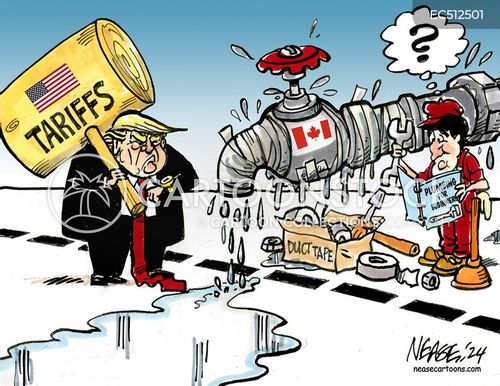
The boycott’s long-term impact may be irreversible. Canadian restaurants and bars have adapted, replacing American bourbon with Canadian, Irish, and international alternatives. Once habits change, industry experts warn, markets rarely return to their former shape. Even if political tensions ease, the lost shelf space—and lost loyalty—may never fully come back for U.S. producers.
In the end, this economic war delivered an unexpected lesson. Threats, insults, and strongman politics did not bend Canada’s will. Instead, they mobilized an entire population to push back—quietly, collectively, and effectively. What began as Trump’s attempt to dominate a neighbor has become a case study in how consumer power and national unity can turn bluster into billion-dollar consequences.