🔥 SENATE HEARING GOES VIRAL: Why the ATF Nominee–Kennedy Clash Exploded Online, and What It Really Says About Gun Politics in Washington ⚡
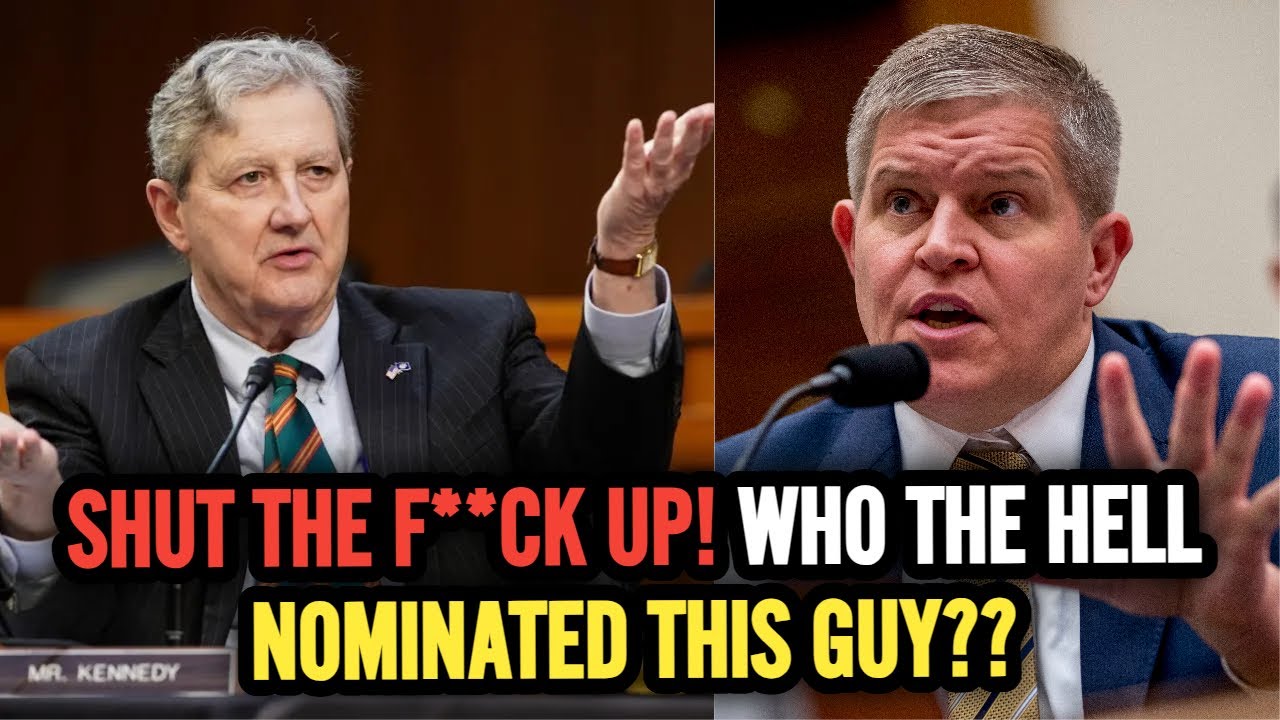
WASHINGTON, D.C. — What began as a routine Senate confirmation hearing for a nominee to lead the Bureau of Alcohol, Tobacco, Firearms and Explosives (ATF) rapidly turned into one of the most dissected political moments of the week, after a sharp exchange with John Kennedy spread across social media at breakneck speed. Framed online as a four-minute “meltdown,” the encounter illustrates less about one nominee’s fate and more about how gun policy, political theater, and viral media now collide.
From confirmation process to viral clip
Confirmation hearings are typically methodical affairs. Senators ask about experience, philosophy, and priorities; nominees answer carefully, often avoiding specifics that could box them in. This hearing followed that pattern—until Kennedy pressed the nominee on gun rights, regulatory authority, and lessons learned from past ATF controversies.
Kennedy’s approach was calm and deliberate, a style he has honed over years on the committee circuit. Rather than raising his voice, he asked a sequence of pointed questions, each building on the last. Online clips emphasized pauses and non-answers, creating the impression of a rapid unraveling. In the room, witnesses describe something more familiar: a nominee sticking closely to prepared language under sustained questioning.
Why the moment resonated
The virality stems from context. The ATF sits at the center of America’s most polarized debate, where firearms regulation is treated not just as policy but as identity. Any nominee associated with a Democratic administration enters the room under suspicion from gun-rights advocates and skepticism from Republicans who view the agency as prone to overreach.
Kennedy’s questions tapped into that distrust, referencing past ATF missteps that remain touchstones in conservative media. By juxtaposing those controversies with what he characterized as vague answers, he created a narrative hook that translated easily into short-form video: clarity versus evasion.
“This wasn’t about catching someone in a gotcha,” said one former Senate staffer. “It was about signaling to viewers back home that someone is asking the questions they want asked.”

Claims, counterclaims, and caution
Online commentary quickly escalated from critique to speculation—talk of hidden scandals, imminent withdrawals, and leaks circulating among advocacy groups. As of publication, none of those claims have been confirmed by committee leadership or the White House. No formal announcement has been made regarding the status of the nomination.
Media scholars caution that the phrase “meltdown” is often applied after the fact, shaped by selective editing. “A hearing can last hours, but a viral clip lasts seconds,” one analyst noted. “Those seconds become the story.”
The role of gun politics
The exchange also highlights a broader stalemate. Administrations promise ATF “reform” to satisfy constituencies concerned about gun violence, while opponents hear “expansion” and mobilize accordingly. Nominees are caught in the middle, expected to reassure all sides without committing to specifics that could derail confirmation.
Kennedy’s questioning exposed that tension. When nominees hedge, critics see incompetence; when they’re specific, opponents see threat. The result is a performance where survival often depends less on policy mastery than on rhetorical resilience.

Institutional impact vs. online impact
Despite the noise, seasoned observers urge restraint in predicting outcomes. Many nominees endure bruising hearings and are still confirmed. Others withdraw quietly weeks later, long after the viral moment fades. The Senate’s institutional timeline rarely matches the internet’s attention span.
What does endure is the incentive structure. Lawmakers know that a well-crafted exchange can dominate news cycles, energize donors, and define narratives. Hearings now serve dual purposes: oversight and audience engagement.
What this moment actually tells us
The Kennedy–ATF nominee clash is less a verdict than a snapshot. It shows how confirmation hearings have become stages for ideological confrontation, how gun policy amplifies scrutiny, and how digital platforms transform procedural questioning into political spectacle.
For viewers, the lesson is to separate signal from spin. Watch the full exchange, not just the clip. Distinguish between confirmed developments and speculative commentary. And remember that in Washington, today’s viral “ending” is often just the opening act.
As the clip continues to circulate, one thing is clear: the hearing didn’t just test a nominee—it tested how Americans consume political conflict. In that sense, the real story isn’t four minutes long. It’s ongoing.
youtube.com/watch?v=K8Ri_8U11aM