Justice Department Faces Growing Scrutiny Over Epstein Files as Key Materials Disappear
Washington — The U.S. Department of Justice is facing intensifying scrutiny from lawmakers and the public after acknowledging that key materials from the long-awaited release of documents related to Jeffrey Epstein were removed from its website days after publication, including photographs that appeared to show former President Donald J. Trump with the disgraced financier.
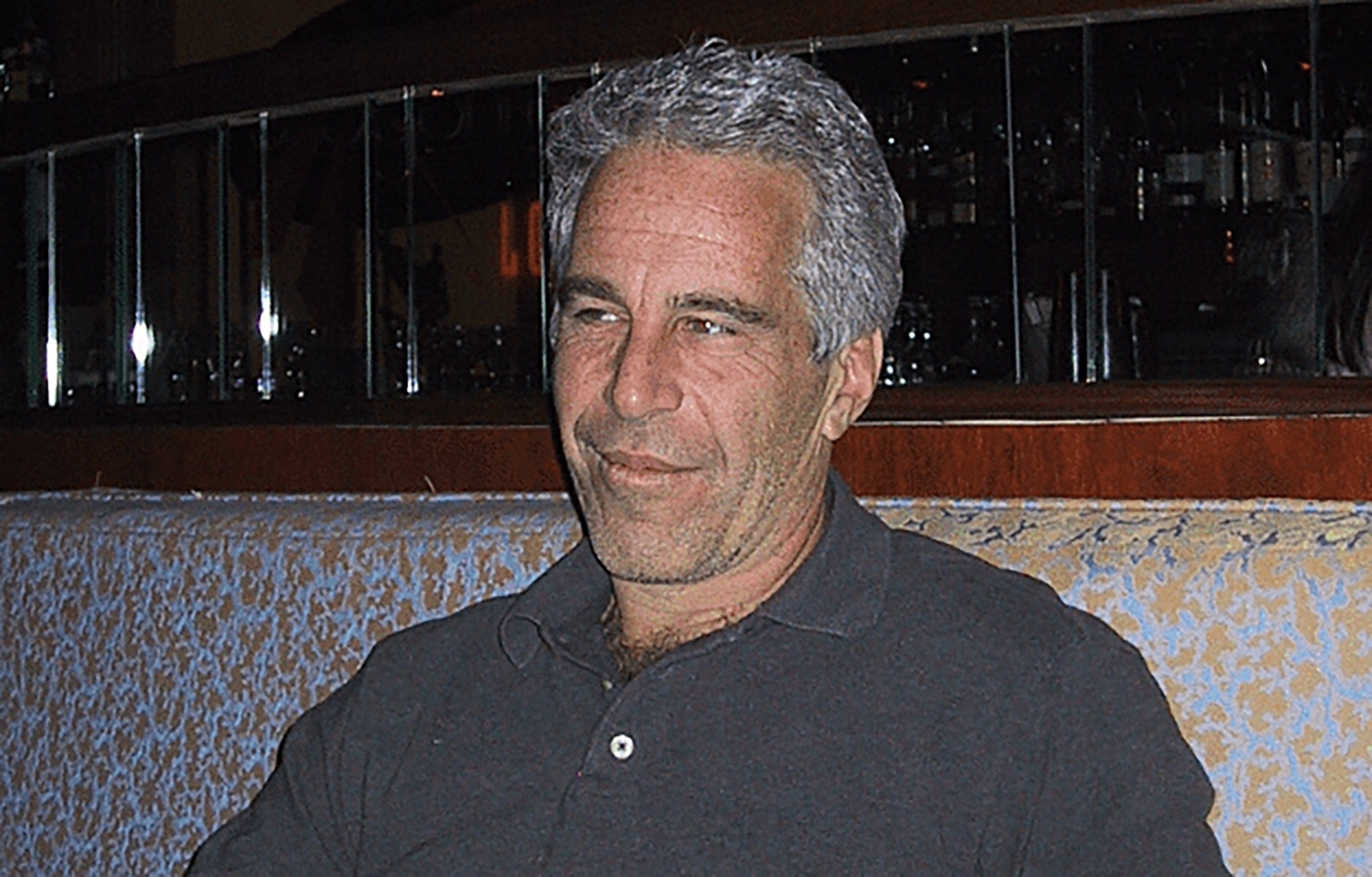
More than a dozen images that were briefly accessible following the initial release on Friday are no longer available, according to multiple observers who reviewed the files. Among the missing materials was at least one photograph that included Mr. Trump — one of the few direct visual references to him in the release.
In a statement posted overnight on social media, the Justice Department said that the materials “will continue to be reviewed and redacted consistent with the law, out of an abundance of caution,” citing the need to protect victims and comply with legal standards. The department did not specifically address why materials already released were subsequently removed.
The episode has further fueled criticism that the government failed to meet a court-ordered deadline requiring the disclosure of Epstein-related records with minimal redactions. While the department released hundreds of pages before the deadline, many were heavily blacked out — some entirely — and officials later acknowledged that the disclosure was incomplete.
Senator Dick Durbin of Illinois, the top Democrat on the Senate Judiciary Committee, said on Saturday that the committee would investigate whether the Justice Department violated federal law by failing to release the full set of required documents on time.
“The public was promised transparency,” Mr. Durbin said in a statement. “What we received instead raises serious questions about compliance with the law and the integrity of the process.”
The criticism has not been limited to Democrats. Representative Thomas Massie, Republican of Kentucky, and Representative Ro Khanna, Democrat of California, issued a joint warning that Attorney General Pam Bondi could face contempt proceedings if the department does not fully comply with the legal mandate. Such proceedings, while rare, underscore the depth of bipartisan frustration surrounding the release.
Epstein, who died in federal custody in 2019 while awaiting trial on sex trafficking charges, had long-standing ties to powerful figures across politics, finance, and entertainment. His death, officially ruled a suicide, left unresolved questions about the scope of his network and the extent of involvement by influential individuals.
:max_bytes(150000):strip_icc():focal(749x0:751x2)/Mark-Epstein-Jeffrey-Epstein-Donald-Trump-112025-3ac3ab86c9ce4104806d5a2c571b7dbc.jpg)
The renewed controversy was amplified this week by comments from Mark Epstein, the financier’s brother, who said in a televised interview that he had been told federal authorities were “sanitizing” the files before release. Mr. Epstein alleged that a facility in Winchester, Virginia — home to the FBI’s Central Records Complex — was being used to scrub names from the documents, particularly those of Republican figures.
The Justice Department declined to comment directly on Mr. Epstein’s claims. Legal experts cautioned that while the allegations are serious, they have not been independently verified.
Still, the optics surrounding the release have deepened public skepticism. Lawmakers and media outlets have questioned why hundreds of pages that were entirely redacted were released at all, and why certain materials appeared online only to be withdrawn days later without explanation.
Deputy Attorney General Todd Blanche defended the department’s approach in a recent interview, saying officials must balance transparency with legal obligations to protect victims and avoid compromising ongoing matters. “This is not a document dump,” Mr. Blanche said. “It is a careful legal process.”
But critics argue that the piecemeal release and extensive redactions have had the opposite effect, reinforcing suspicions that politically sensitive information is being withheld.
Mr. Trump, who has acknowledged knowing Epstein socially in the 1990s but denies any involvement in his crimes, has sent mixed signals on the issue. After months of questioning the legitimacy of the Epstein records, he signed the Epstein Transparency Act earlier this year amid overwhelming bipartisan support in Congress. The law compelled the Justice Department to release the files, leaving little room for delay.
Reports have since surfaced suggesting that senior officials within the Justice Department and the FBI directed staff to redact documents in ways that minimized references to Mr. Trump. Those claims have not been substantiated, but they have added to concerns about political interference.
The controversy has drawn comparisons to past transparency battles, including the Watergate-era release of redacted transcripts that ultimately intensified, rather than diminished, public suspicion.
For now, pressure on the Justice Department continues to mount. Congressional committees are considering further action, and advocacy groups are calling for judicial oversight to ensure compliance with disclosure laws.
While Epstein is no longer alive to face justice, the documents bearing his name carry enduring legal and political consequences. Each delay, each redaction, and each missing file has only heightened demands for accountability.
As one former federal prosecutor put it, “If there is nothing to hide, secrecy only makes the case harder to defend.”
The saga, lawmakers say, is far from over.