Growing Pressure on DOJ as Lawmakers Accuse White House of Epstein Files Cover-Up
Washington is facing renewed political and legal tension after Democratic Congressman Robert Garcia of California, the ranking member of the House Oversight Committee, accused the Department of Justice and the Trump administration of illegally withholding large portions of the Jeffrey Epstein files from the public.
In a forceful interview, Garcia stated that the DOJ has failed to meet clear legal requirements set by Congress, arguing that the administration is “defying the law” and “defying Congress” by not releasing the full scope of documents mandated under a bipartisan statute. According to Garcia, the administration is now scrambling to “illegally catch up” after missing deadlines established by law.
Garcia dismissed claims of transparency by the DOJ as “laughable,” noting that much of what has been released so far consists of documents already in the public record. Of the remaining materials, he said, many are so heavily redacted that entire pages contain no readable text at all.
“This is not transparency,” Garcia said. “This is a White House cover-up.”
Pulled Photos and Redactions Raise Suspicion
One of the most alarming developments, according to Garcia, was the DOJ’s handling of photographic evidence. He alleged that photos were briefly released, then quietly removed, before being reposted only after public scrutiny intensified. One of the images reportedly included Donald Trump, prompting immediate questions about why it was taken down in the first place.
Garcia directly challenged the DOJ’s explanation that the redactions and removals were solely meant to protect survivors.
“Absolutely not,” he said, pointing to earlier statements by Attorney General Pam Bondi, who had claimed months ago that the Epstein files were already “on her desk.” Garcia argued that despite repeated promises of disclosure, the administration has actively resisted compliance, including ignoring congressional subpoenas and attempting to block legislation.
Meanwhile, survivors of Epstein’s abuse have reportedly requested direct meetings with the White House to voice their concerns—requests Garcia says have gone unanswered.
Vast Majority of Files Still Unreleased
While the DOJ claims more than 200 lawyers are reviewing documents around the clock, Garcia emphasized that the overwhelming majority of Epstein-related materials remain unreleased. Based on prior DOJ disclosures about the volume of evidence, he said what the public has seen so far represents only a fraction of what exists.
Reports suggest additional documents may be released soon, but Garcia warned that partial disclosures with strategic redactions only deepen public outrage.
“If they think they can protect powerful men by blacking out the truth, they haven’t seen the fury of the American public,” he said, adding that Congress will not back down until justice is delivered for survivors.
New Evidence Underscores Long-Ignored Warnings

The controversy intensified further with the release of a 1996 complaint filed by Maria Farmer, which alleges that Epstein stole photographs of her younger sisters—then aged 12 and 16—and attempted to sell them, potentially constituting child pornography trafficking.
For survivors like Annie Farmer, whose image was allegedly among those stolen, the document is devastating proof that authorities were warned decades ago and failed to act.
“To see it in writing, knowing they had this document the entire time… it’s overwhelming,” she said.
Journalists and legal analysts note that this complaint serves as contemporaneous corroboration, demonstrating that law enforcement was on notice long before Epstein’s crimes became widely known.
Political Fallout Expands Beyond Trump
While Trump’s name appears only sporadically in the newly released files—such as on a check or in a photograph whose context remains unclear—the selective nature of the disclosures has drawn criticism from across the political spectrum.
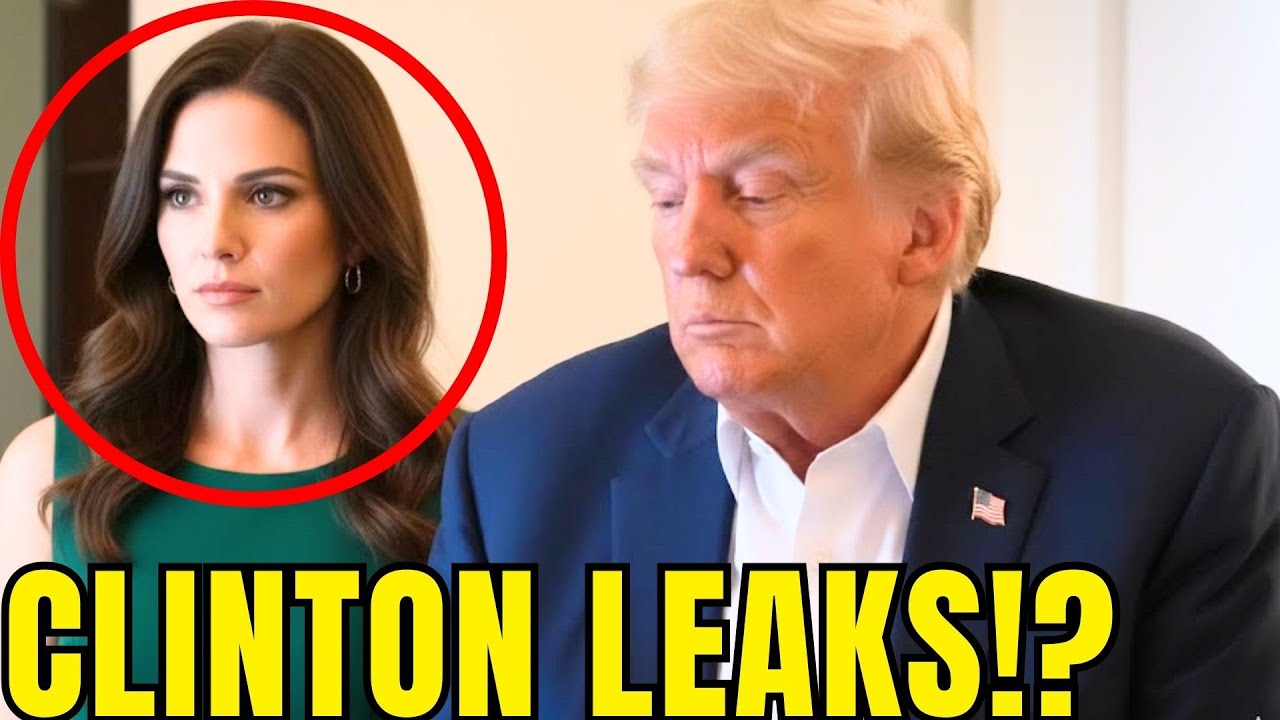
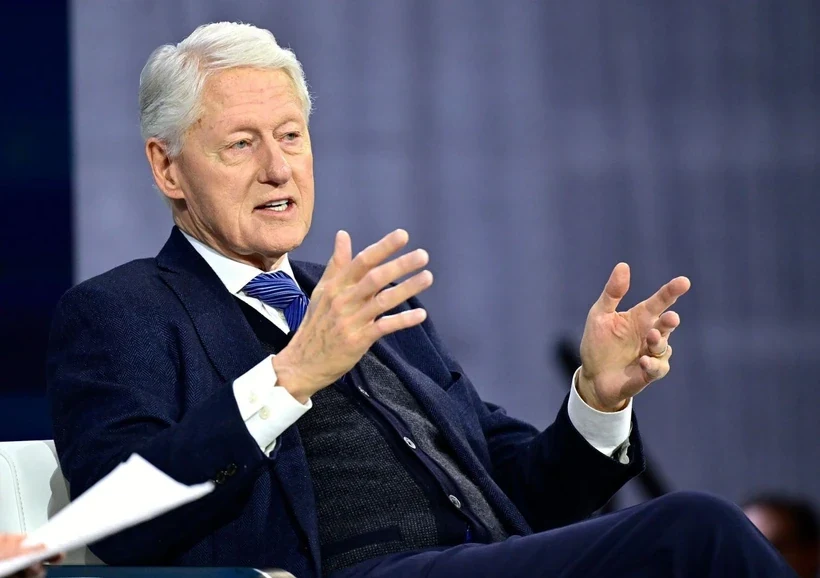
In a striking development, representatives for former President Bill Clinton publicly called on the DOJ to release all remaining materials referencing him, arguing that selective leaks create insinuations rather than accountability.
“The law requires everything to be released,” the statement read. “Someone or something is being protected. We do not know whom, but we know this process is not about transparency.”
What Comes Next
Garcia confirmed that multiple legal strategies are now underway, including potential actions against Attorney General Bondi. The Senate has already begun moving on parallel efforts, and coordination is ongoing with lawmakers across committees and party lines.
Constitutional attorneys are reportedly involved, and Garcia suggested the public will soon hear more about next steps.
For now, the pressure is mounting on the DOJ—and on President Trump himself.
“He has the power to do the right thing,” Garcia said. “What we’re seeing now is illegal, and it will not stand.”