Concerns Grow Over Christian Nationalism’s Expanding Influence in U.S. Military Policy
By a Staff Correspondent
Washington — A remark delivered to loud applause at a Turning Point USA conference — “In the United States of America, you don’t have to apologize for being white anymore” — has intensified concerns among critics who warn that Christian nationalism and identity-based politics are moving from the fringes of conservative activism into the core of government policy.
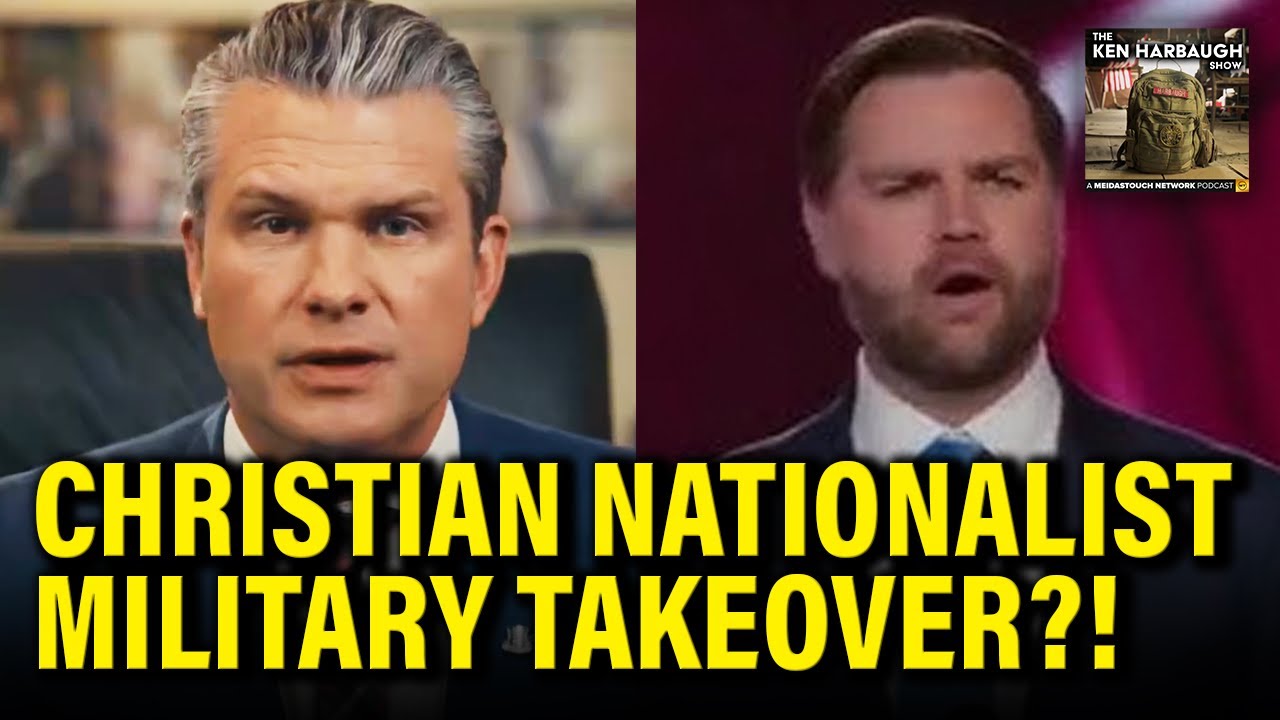
The comment, attributed to Vice President J.D. Vance during what observers described as a de facto campaign stop, was widely circulated online and quickly drew condemnation from civil rights advocates. Turning Point USA, once a youth-focused conservative organization, has increasingly become a central hub of Republican politics, particularly among voters aligned with white Christian nationalist ideology.
Critics argue that such rhetoric is not isolated, but instead mirrors recent policy shifts within the Trump administration — most notably inside the Department of Defense — that they say elevate religious ideology over pluralism and the well-being of service members.
The latest flashpoint centers on Defense Secretary Pete Hegseth and a sweeping overhaul of the military’s Chaplain Corps. Earlier this month, the Pentagon eliminated the Army’s long-standing Spiritual Fitness Guide, a manual designed to help chaplains provide non-denominational emotional and moral support to troops in high-stress environments, including combat zones.
In a video announcement filmed in front of a Christmas tree at the Pentagon, Mr. Hegseth framed the decision as a rejection of “political correctness and secular humanism,” arguing that chaplains had been reduced to “emotional support officers” rather than ministers. He pledged a “top-down cultural shift” to place spiritual well-being on equal footing with mental and physical health.
“We are going to make the Chaplain Corps great again,” Mr. Hegseth said.
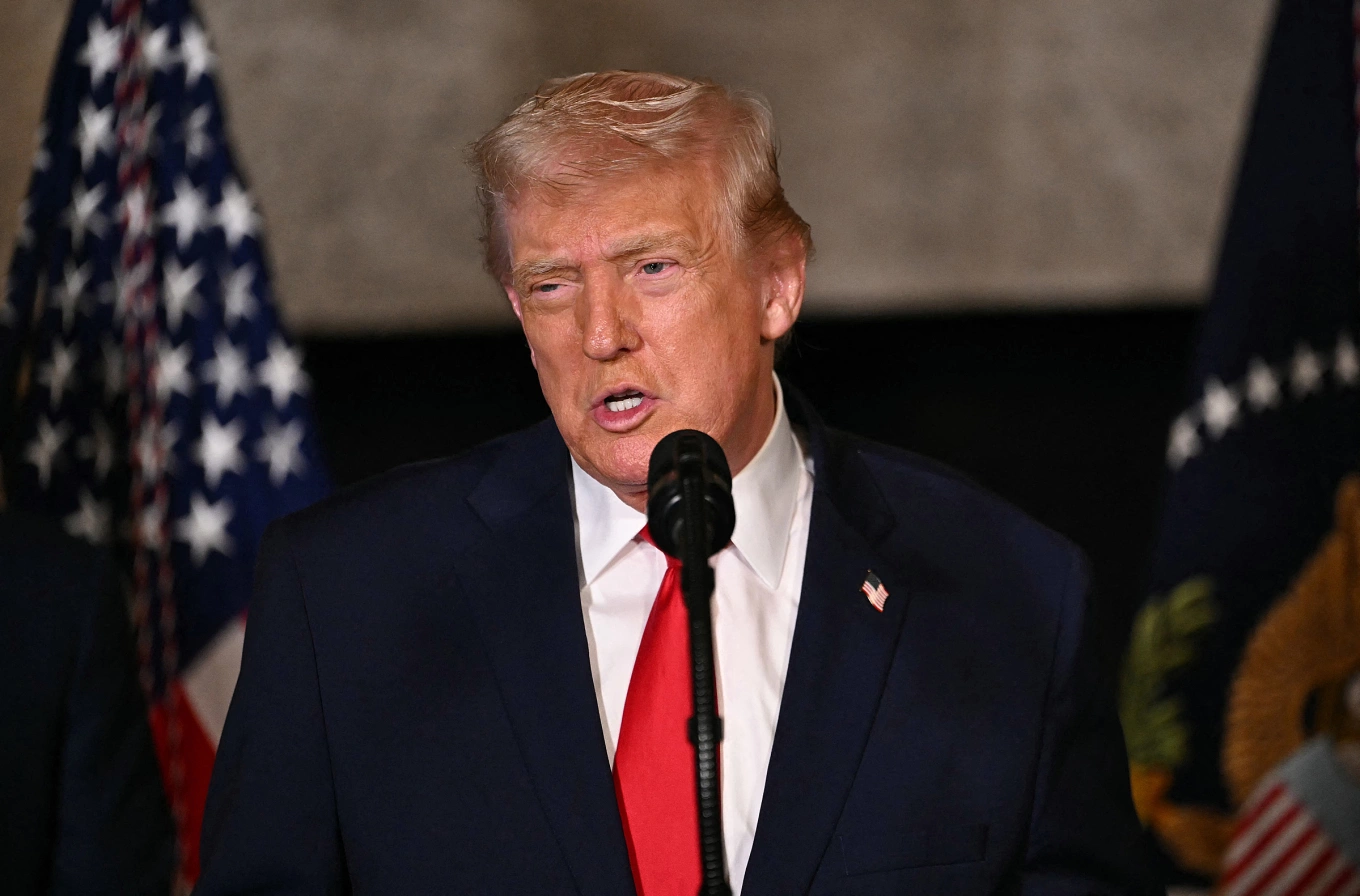
For critics, however, the language signaled something far more consequential. Chris Goldsmith, an Army combat veteran and founder of Veterans Fighting Fascism, said the policy risks transforming chaplains from trusted confidants into religious emissaries — a change he warned could harm morale and alienate non-Christian service members.
“Chaplains exist to care for troops, not to proselytize,” Mr. Goldsmith said in a recent interview. “When you strip away tools that help soldiers process trauma and replace them with ideological messaging, you close off one of the safest avenues for help.”
Mr. Goldsmith, who served in Iraq, recounted his own experience with a chaplain who framed the war in religious terms, describing it as a “crusade.” He said that encounter permanently damaged his trust in the Chaplain Corps and prevented him from seeking help when he later struggled with severe post-traumatic stress disorder.
Military chaplains historically operate under strict guidelines that require them to serve service members of all faiths — and none — without coercion. Experts say that balance is especially critical in a force that is increasingly diverse, religiously and culturally.
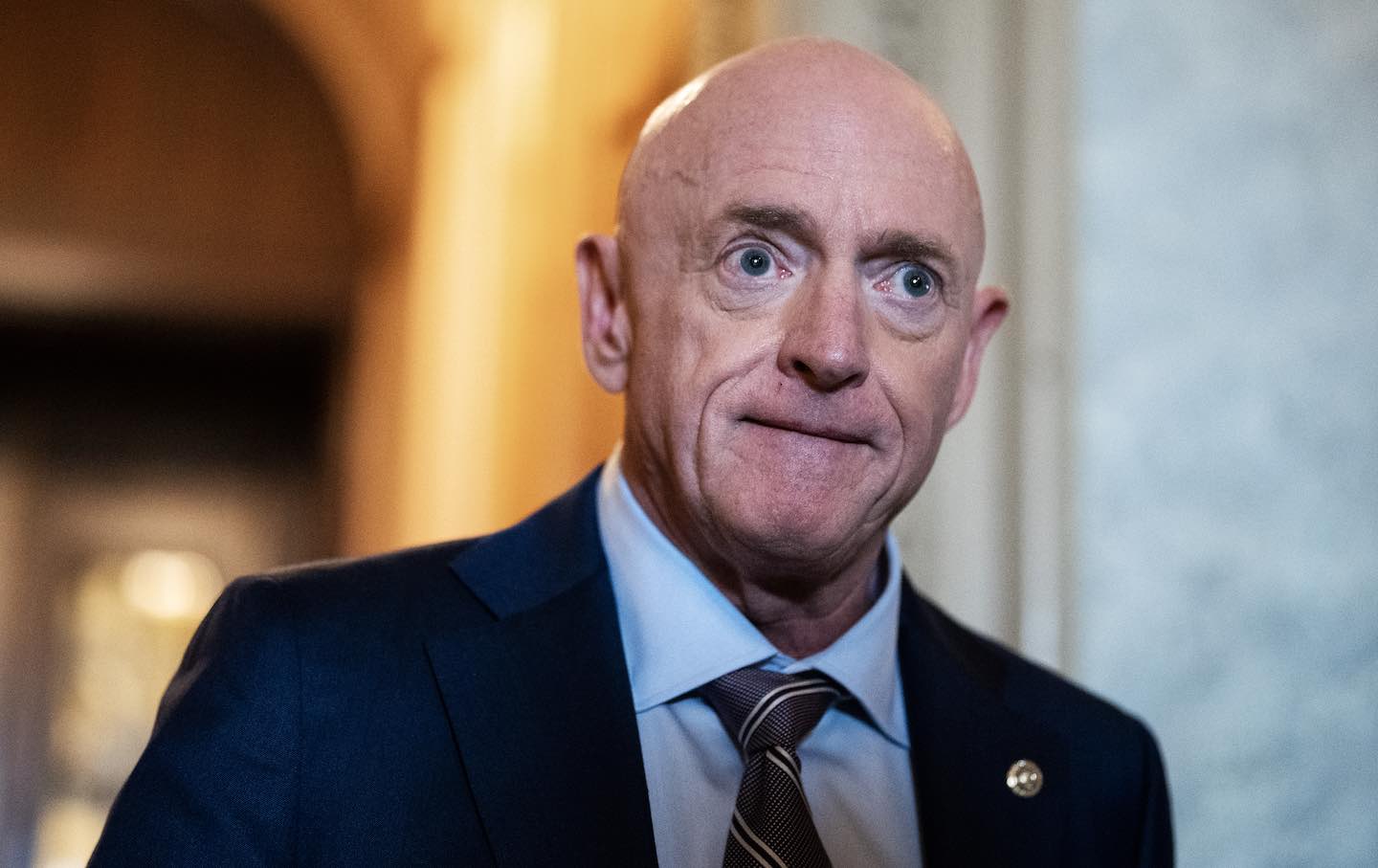
“The danger isn’t expanding religious freedom,” Mr. Goldsmith said. “It’s enforcing religious conformity.”
Adding to those concerns is the role of the Justice Department’s Religious Liberty Commission, a Trump-era initiative tasked with identifying alleged anti-Christian bias within government institutions. Supporters describe it as a necessary corrective; critics argue it institutionalizes a grievance-driven narrative that portrays Christianity — particularly white evangelical Christianity — as under siege.
That narrative, analysts say, has become normalized among younger recruits who grew up during the Trump era. “For many of them, this rhetoric is all they’ve ever known,” Mr. Goldsmith said. “It doesn’t feel extreme to them. It feels normal.”
Civil liberties organizations warn that the convergence of nationalist rhetoric, religious ideology and military authority poses long-term risks to democratic norms. They point to historical parallels, including attempts in the early 20th century to politicize the armed forces, thwarted in part by figures like Marine Corps General Smedley Butler, who later exposed a Wall Street-backed plot to overthrow the U.S. government.
Mr. Goldsmith’s nonprofit, named in Butler’s honor, aims to educate veterans and the public about those dangers — and to resist what he describes as a modern revival of authoritarian thinking.
For now, Pentagon officials insist the chaplain reforms are intended to strengthen, not divide, the force. But as debates over identity, faith and power increasingly intersect with national security, critics say the stakes extend far beyond symbolism.
“This isn’t about Christmas,” Mr. Goldsmith said. “It’s about whether the U.S. military remains an institution that serves everyone — or becomes a tool for a particular ideology.”
As the 2026 election cycle approaches, many expect these issues to move even closer to the center of American political life, testing long-standing assumptions about church-state separation and the role of the armed forces in a pluralistic democracy.