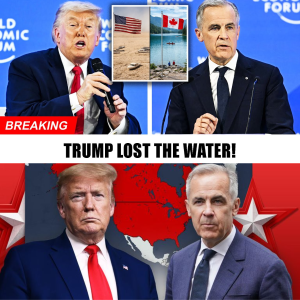
Canada has delivered a shock Washington did not anticipate. In a move that stunned U.S. trade officials, Ottawa flatly rejected a key American demand during sensitive CUSMA review preparations, triggering the overnight collapse of a proposed $50 billion U.S.–Canada trade arrangement. There was no counteroffer, no diplomatic softening, no delay—just a clear and immediate “no.” What many in Washington assumed would end in quiet concessions instead exposed a major miscalculation in U.S. strategy and a dramatic shift in North American trade power.
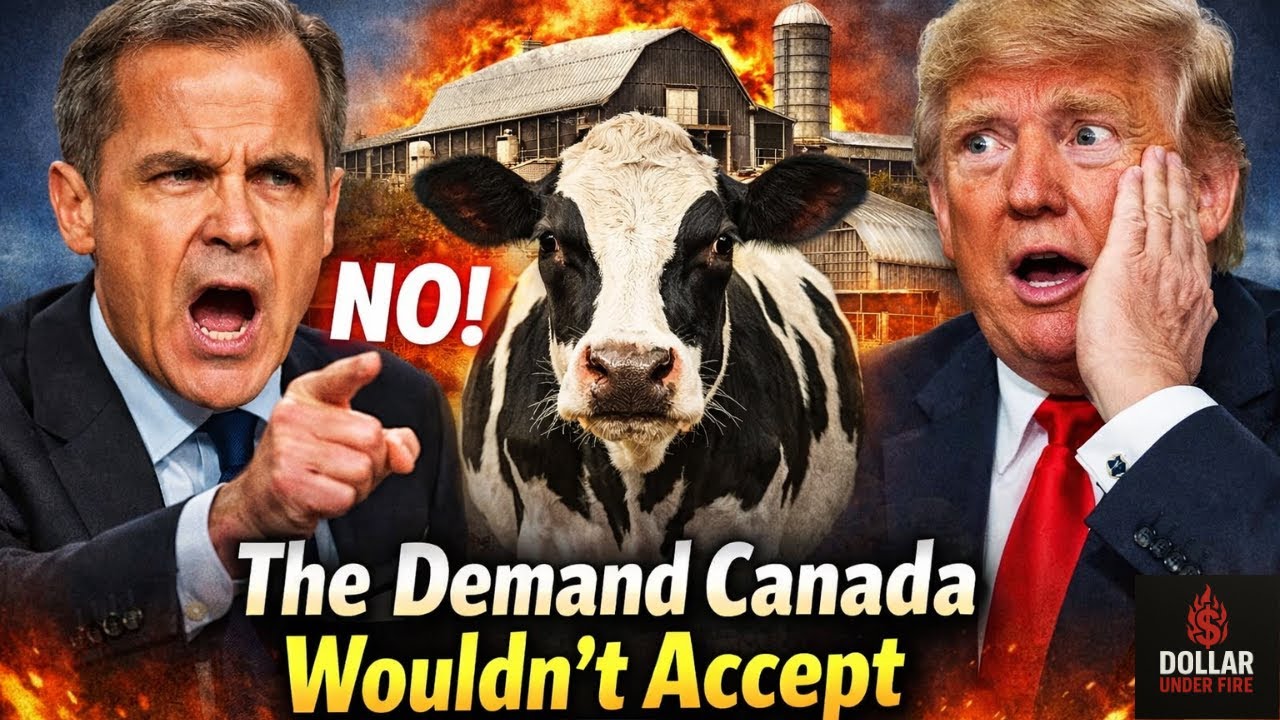
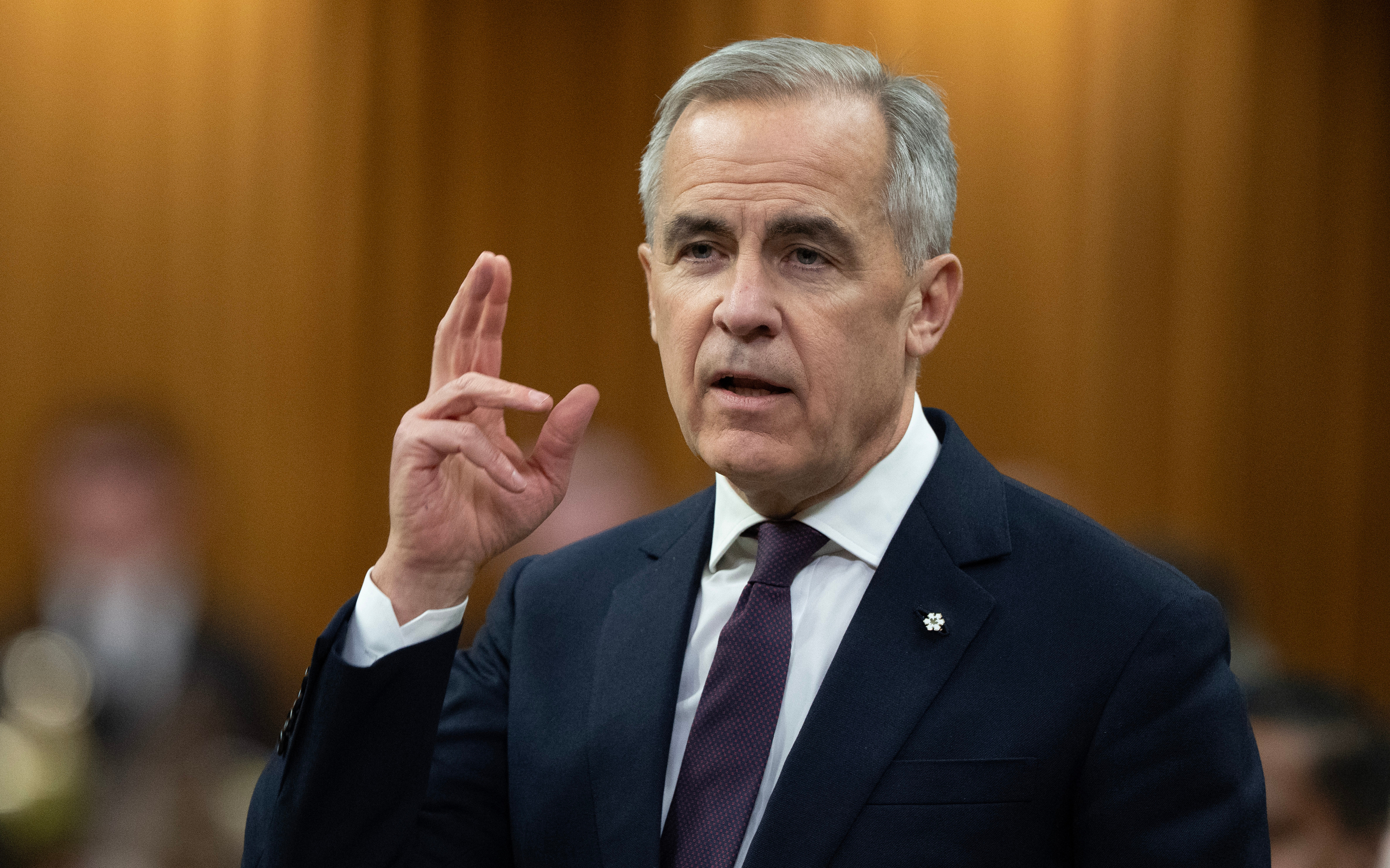
At the center of the standoff was America’s renewed push for expanded access to Canada’s tightly controlled dairy market. U.S. negotiators framed the demand as non-negotiable, believing Canada’s economic reliance on U.S. trade would force compliance. Analysts and insiders echoed that assumption, predicting Ottawa would bend to preserve broader trade stability. But Canada had already decided otherwise. When Mark Carney addressed the issue publicly, he ended the debate in a single stroke: supply management was not on the table.
What shocked Washington most was not just the refusal, but Canada’s refusal to explain itself. By declining to debate or justify its policy, Ottawa rejected the very premise that its domestic governance required American approval. Delivered deliberately in French, the statement sent a clear signal to Quebec, where supply management underpins rural economies, political stability, and cultural identity. Dairy, for Canada, is not merely a trade issue—it is a question of sovereignty.
The dispute quickly expanded beyond agriculture. U.S. officials also raised objections to Canada’s digital platform regulations and provincial decisions affecting American alcohol products, framing them as protectionist barriers. Canada countered implicitly by treating these issues as constitutional realities, not bargaining chips. The underlying conflict became unmistakable: Washington sought to reshape Canadian domestic policy around U.S. commercial preferences, while Ottawa insisted on the right to govern itself.
This moment did not emerge in isolation. According to Carney, negotiations had nearly reached completion months earlier before collapsing abruptly—reportedly over an Ontario political advertisement critical of tariffs using Ronald Reagan’s own words. Talks were suspended not over tariffs or quotas, but over domestic political expression. Canada acknowledged the disruption without apology, making clear it would negotiate in good faith but would not self-censor to satisfy foreign sensitivities.
The fallout marks a quiet but consequential shift. Canada has spent years diversifying trade ties beyond the United States, strengthening links with Europe and the Pacific while expanding domestic capacity. That strategy has reduced desperation, if not dependence. By defining firm boundaries and repeating them consistently, Ottawa has flipped the negotiating dynamic. As the CUSMA review approaches, the pressure now rests on Washington to decide whether it can negotiate without ultimatums—because Canada has already shown that some lines, once drawn, will not move.