Rep. Jasmine Crockett Delivers Scathing Rebuke of Justice Department’s Transparency Claims in Tense Hearing
Washington — What began as a routine oversight hearing on the Justice Department’s self-proclaimed “expanded transparency measures” quickly unraveled into one of the most confrontational exchanges of the congressional session, as Representative Jasmine Crockett, Democrat of Texas, systematically dismantled the department’s narrative in a performance that combined meticulous preparation with unsparing rhetoric.
Seated behind a long mahogany table in the Rayburn House Office Building on Tuesday morning, a panel of senior Justice Department officials had come prepared to deliver a carefully scripted update on recent efforts to increase public access to departmental records. But within minutes of taking the microphone, Ms. Crockett, a former public defender known for her prosecutorial precision, upended the proceedings.
She held aloft a thick stack of documents, each page heavily redacted in black ink. “Black ink doesn’t equal transparency,” she said, her voice steady but carrying an unmistakable edge. “Black ink is what you use when you’re hiding broken law.”
The remark landed like a gavel. Several staff members in the room visibly stiffened. The lead witness, a deputy assistant attorney general, shifted in his chair and glanced toward his colleagues. For a moment, the only sound was the soft whir of television cameras zooming in.
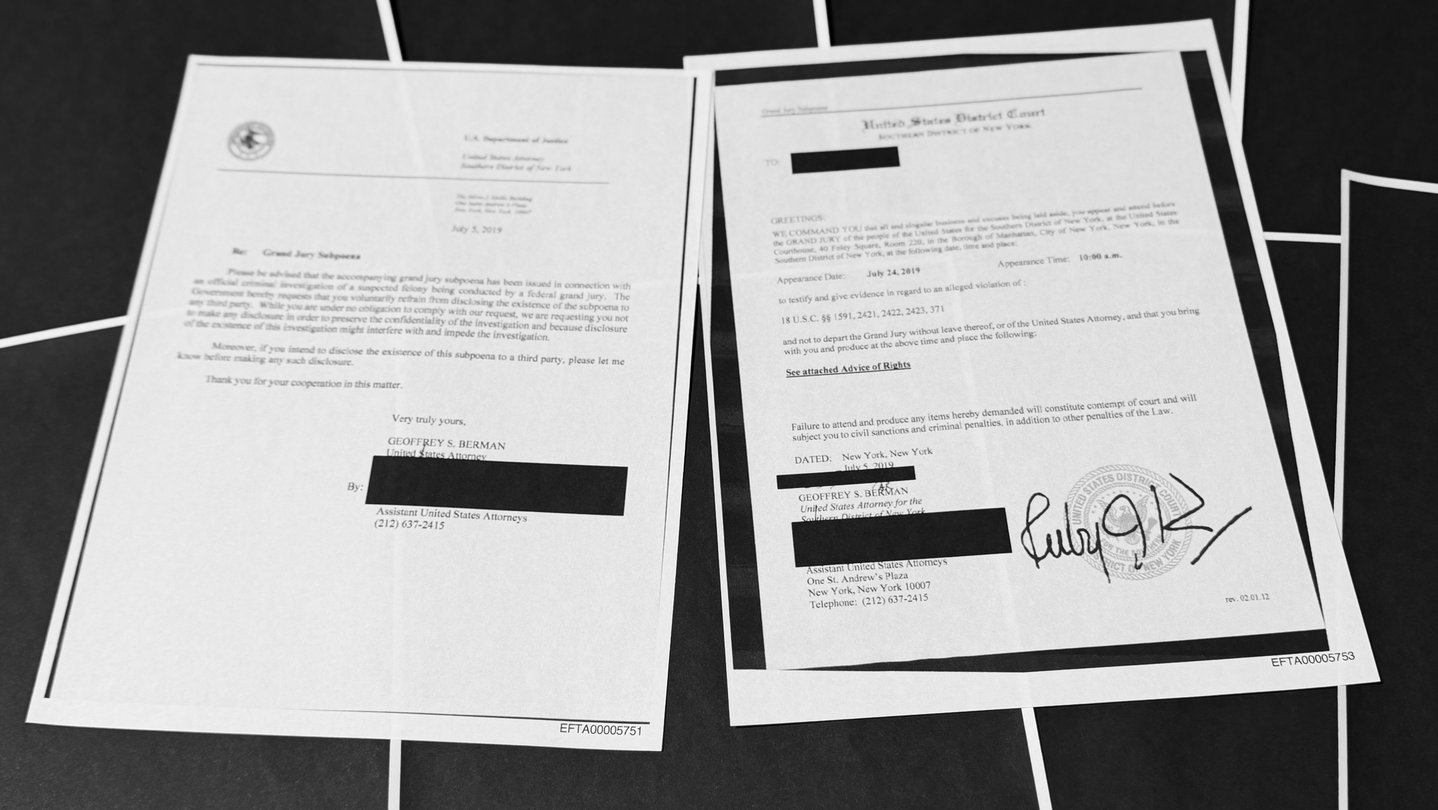
Ms. Crockett, who represents Dallas and parts of Tarrant County, proceeded to walk the committee through a litany of what she described as deliberate obstructions. She pointed to a series of oversight requests dating back more than 18 months that had been met with either incomplete responses or lengthy delays. She cited specific examples: a whistleblower complaint involving alleged misconduct in a high-profile investigation that arrived with entire sections obliterated; a set of internal emails requested under the committee’s jurisdiction that were returned almost entirely blacked out, with the department citing “national security” as justification.
“National security,” Ms. Crockett said, pausing for effect, “does not cover embarrassment. It does not cover political inconvenience. And it certainly does not cover evidence of broken law.”
The Texas Democrat then turned her attention to inconsistencies in prior testimony. She read aloud from transcripts of earlier hearings in which department officials had assured Congress that redactions were being kept to a minimum. She juxtaposed those statements with the documents in her hand. The contrast was stark.

“If the truth clears you,” she said, her voice rising slightly, “you wouldn’t be fighting this hard to bury it.”
The line drew an audible gasp from the gallery. A few lawmakers on the Republican side of the dais exchanged glances. On the Democratic side, several members nodded quietly. Social media lit up almost immediately, with video clips of the exchange circulating widely by midday.
The deputy assistant attorney general attempted to respond, reiterating the department’s commitment to transparency while stressing the need to protect sensitive sources and methods. But his answers appeared rehearsed and, to some observers, evasive. When pressed on a specific redaction that covered an entire paragraph of a report on the use of confidential informants, he said he would “take the question back to the department.”
Ms. Crockett did not let the moment pass. “You’ve had 18 months to take questions back to the department,” she replied. “The American people have been waiting long enough.”
The hearing stretched more than 40 minutes beyond its scheduled end time. When it finally concluded, Ms. Crockett walked out flanked by several colleagues. Outside the hearing room, she declined to comment on camera but told reporters she would continue pressing the department until “every page is accounted for.”
The confrontation underscored a deepening rift between congressional Democrats and the Justice Department under the current administration. Republicans, who control the House, have accused the department of politicization in the opposite direction, while Democrats argue that repeated stonewalling is evidence of a deeper effort to shield politically sensitive matters from scrutiny.
For now, the images of Ms. Crockett holding up those blacked-out pages have become the defining visual of the day — a stark symbol of the battle over what the public is allowed to see and what remains hidden behind layers of ink.