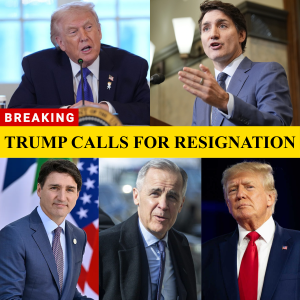
Impeachment has surged back to the center of Washington politics after 140 members of the U.S. House of Representatives voted to advance articles targeting D.O.N.A.L.D T.R.U.M.P, a number that stunned even seasoned Capitol Hill observers. While House leadership ultimately moved to table the resolution, the size of the pro-impeachment bloc signaled a sharp escalation, placing renewed pressure on Congress just as the 2026 election cycle begins to take shape.

The push was led by Democratic Representative Al Green of Texas, who has repeatedly warned that Trump’s rhetoric allegedly normalizes political violence and undermines democratic institutions. In a fiery floor speech, Green accused the president of fostering an environment in which threats against lawmakers have become routine, framing the issue not as partisan theater but as a constitutional emergency. Though leadership blocked immediate action, the vote revealed a growing faction willing to force impeachment onto the national agenda.
What makes the development significant is the breadth of support. The 140 votes were not limited to progressive hardliners but reportedly included moderates from competitive districts—lawmakers typically cautious about politically risky moves. Compared to earlier impeachment attempts this year, the surge suggests momentum is building, driven by concerns over presidential power, accountability, and what critics describe as escalating authoritarian rhetoric.
If articles of impeachment were to pass the House, the Senate would face an unavoidable dilemma. Under the Constitution, senators would be required to act—either by holding a trial that could dominate headlines for weeks or by moving swiftly to acquit, a decision that would likely fuel accusations of political cover-up. Either path carries risks, especially for Republicans in swing states who must balance party loyalty against independent voters heading into 2026.

The impeachment effort is unfolding alongside a series of other controversies that Democrats are weaving into a broader narrative of alleged corruption and abuse of power. From renewed scrutiny of Epstein-related documents to disputes over executive authority and congressional oversight, critics argue that the pattern, rather than any single allegation, is what makes the moment so volatile. Supporters of impeachment say the process itself—hearings, votes, public testimony—matters even if conviction remains unlikely.
For now, Trump’s allies dismiss the movement as a partisan maneuver, while impeachment advocates insist the vote marks a turning point. With more articles reportedly being drafted and political tensions rising, Washington appears headed toward another constitutional clash. Whether it results in removal or not, the growing call for impeachment has already reshaped the political battlefield—ensuring that questions of power, accountability, and democracy will dominate the road to 2026.