A rare and stunning fracture has emerged inside conservative media as Fox News host Brian Kilmeade openly criticized Donald Trump on air, signaling growing unrest within MAGA’s once-unified media ecosystem. Kilmeade, long viewed as a reliable Trump ally, visibly recoiled at Trump’s recent behavior in the White House—specifically the installation of mocking plaques attacking former presidents. His blunt rejection of what he called juvenile “trolling” marked a moment many observers now see as the start of a broader right-wing reckoning.
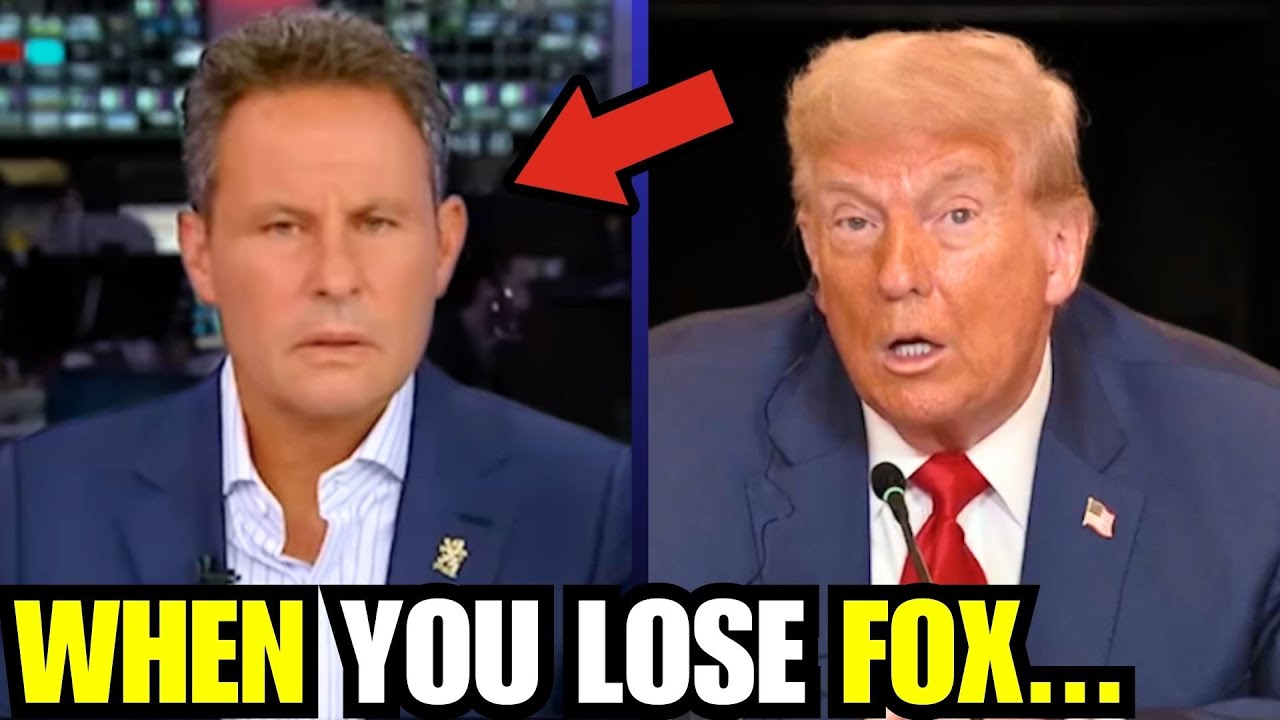
Trump’s latest controversy centers on reports that he personally authored and installed insulting plaques beneath portraits of past presidents, including Joe Biden and Barack Obama, inside the White House complex. The language—widely described as petty, vindictive, and undignified—has drawn criticism even from conservatives who typically defend Trump. Kilmeade’s remarks were particularly striking given Trump’s well-known habit of closely monitoring Fox News, making the on-air dissent both risky and symbolically powerful.
The backlash is not limited to Fox News. Influential conservative publication National Review published scathing commentary describing Trump’s actions as emotionally unhinged and beneath the dignity of the presidency. Writers argued that engraving personal grievances onto White House walls reflects insecurity rather than strength, warning that such behavior alienates swing voters at a time when Republicans face mounting electoral pressure ahead of the midterms.
Conservative critics also rejected the idea that Trump’s plaque stunt plays well politically. Instead of energizing voters, analysts say it reinforces perceptions of Trump as narcissistic, distracted, and obsessed with settling personal scores. With economic uncertainty and healthcare policy looming large, critics argue that symbolic attacks on predecessors look like a misuse of power and taxpayer resources rather than effective leadership.
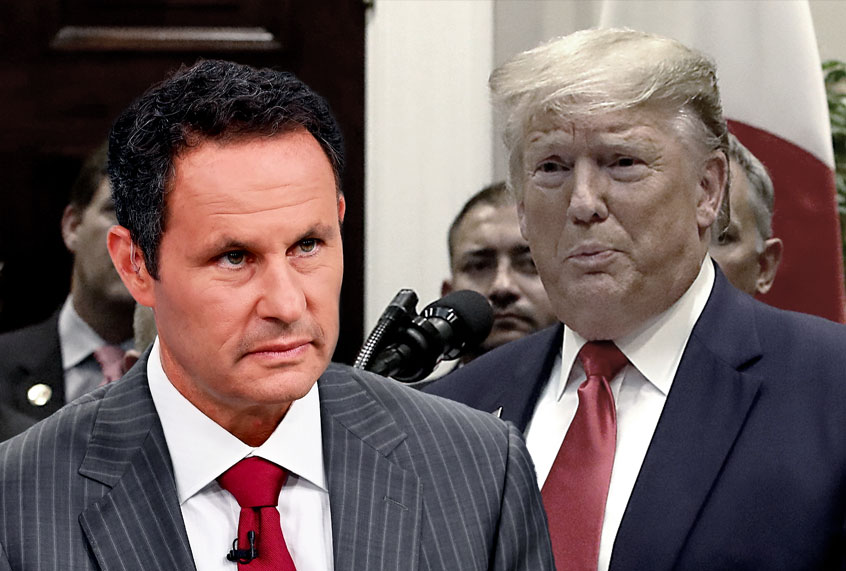
Notably, another National Review writer, Charles C.W. Cooke, delivered a direct message to conservatives: it is not only acceptable but necessary to criticize Trump when he behaves recklessly. Defending every action, Cooke argued, damages credibility and repels undecided voters. Blind loyalty, he warned, turns political movements into personality cults and undermines long-term influence.
The significance of this moment lies less in the plaques themselves and more in who is pushing back. When prominent MAGA-friendly voices like Brian Kilmeade begin publicly expressing disgust, it suggests deeper cracks within Trump’s base. As approval ratings stagnate and internal criticism grows louder, Trump now faces a reality he has long avoided: even loyalists are growing tired of the chaos. Whether this dissent snowballs into a lasting right-wing civil war—or is swiftly crushed—may shape the future of conservative politics in America.