In a shocking turn that once again thrusts the Epstein case back into the center of public scrutiny, a short and deeply unsettling video clip labeled as jail cell “footage” surfaced online following a recent Department of Justice document release. Within hours, the clip ignited confusion, outrage, and renewed suspicion surrounding one of the most controversial deaths in modern American history — even as officials scrambled to clarify what the public was actually seeing.

The video, which appeared briefly on a Justice Department website as part of a broader Epstein-related file dump, shows a white-haired figure in an orange prison jumpsuit kneeling inside a cell. The imagery is grainy, awkwardly framed, and visually inconsistent with known surveillance footage from the Manhattan jail where Jeffrey Epstein died. There is no clear context, no explanatory caption, and no immediate indication of whether the clip represents authentic surveillance, a reconstruction, or something else entirely. That absence of clarity proved combustible.
Almost instantly, the footage exploded online. Social media platforms lit up with speculation, amateur analysis, and accusations that authorities were either concealing evidence or manipulating the narrative. Observers noted strange visual details: amorphous orange shapes on the floor resembling puddles rather than fabric, a lack of visible mattress, and a cell door that does not match documented layouts. For many viewers, the clip looked less like evidence and more like a poorly rendered simulation.
Behind the scenes, investigators and legal analysts offered a more mundane but no less troubling explanation. According to individuals familiar with the file release process, the clip had circulated years earlier on fringe internet forums and was flagged by investigators as misinformation during the Epstein probe. Because it was logged, reviewed, and archived during that process, it became part of the official record — and was subsequently released alongside thousands of other documents, reportedly without adequate review or annotation.
That explanation has done little to calm public reaction. Critics argue that releasing such material without context is irresponsible, particularly given the long-standing controversies surrounding Epstein’s death. At the time, officials acknowledged that no functioning camera captured the interior of Epstein’s cell, while other surveillance footage was missing or unusable. Those gaps, combined with reports of malfunctioning guards, unusual cellmate transfers, and physical evidence that raised questions even among medical professionals, have ensured that skepticism never fully faded.
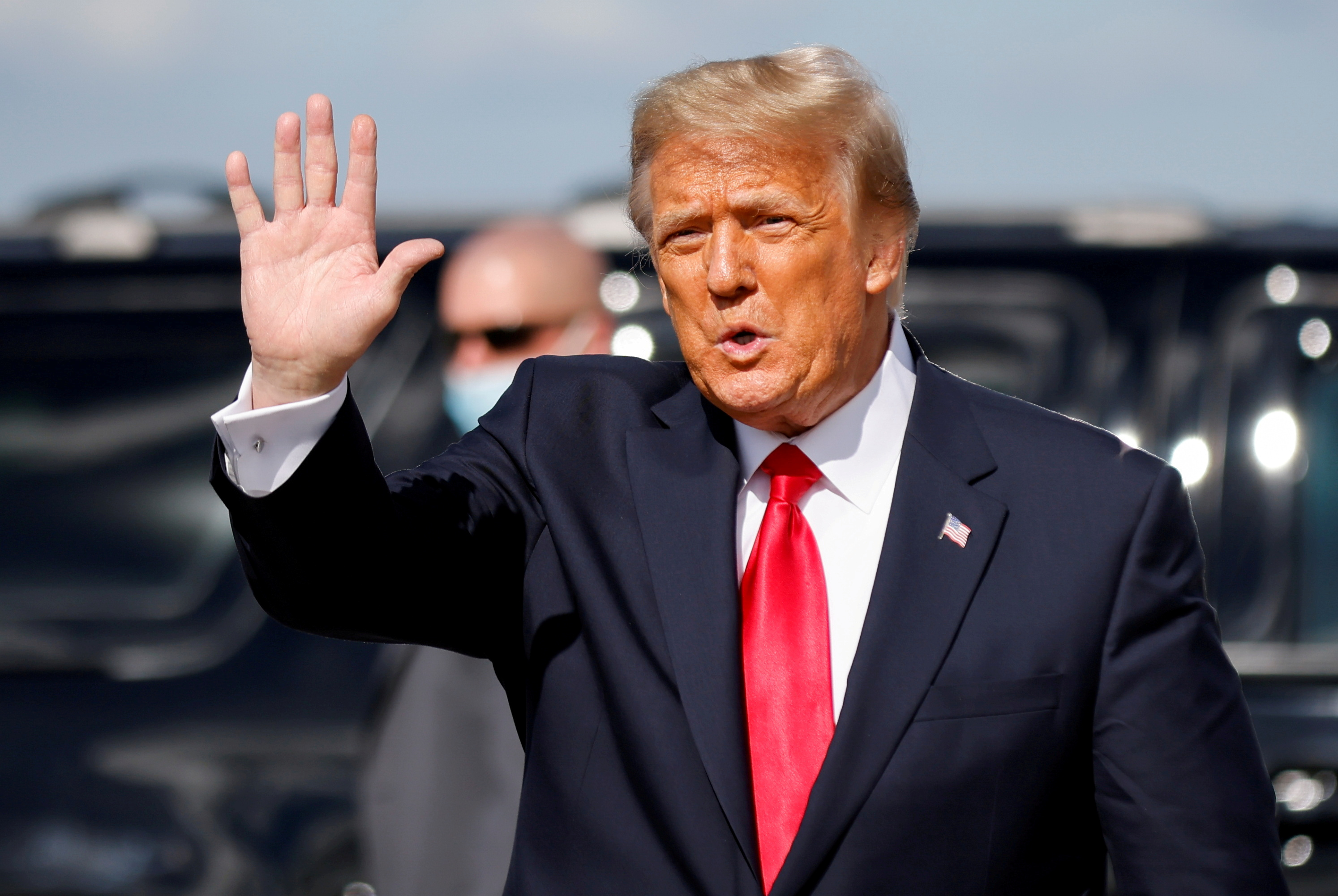
The renewed uproar has also pulled prominent political figures back into the spotlight, including D.o.n.a.l.d T.r.u.m.p. While the former president was not directly connected to the newly surfaced clip, his reaction to the broader document release — and his comments about the publication of photographs involving himself and other political elites — quickly became part of the story. Critics accused him of attempting to redirect attention, while supporters argued that transparency demands discomfort for everyone involved.

Media coverage has emphasized the cultural and political weight of the moment rather than the clip itself. Analysts note that the Epstein case occupies a unique place at the intersection of celebrity, power, and institutional failure. It implicates financiers, politicians, academics, and socialites — and any new material, regardless of authenticity, has the power to reopen wounds and reignite distrust.
What troubles observers most, however, is not the existence of a fake video, but the systems that allowed it to resurface without explanation under an official banner. Legal experts point out that mass document releases, while intended to promote transparency, can easily become instruments of chaos if not carefully curated. Survivors’ advocates have also expressed concern that sensational distractions continue to overshadow accountability and justice for victims.

As the clip continues to circulate and be dissected frame by frame, officials maintain that no authentic video footage exists showing Epstein’s final moments inside his cell. Yet the damage, many argue, has already been done. The combination of institutional opacity, historical inconsistencies, and a media ecosystem primed for outrage has once again transformed the Epstein case from a closed chapter into a live political and cultural flashpoint.
In the end, the controversy underscores a broader truth: in an era defined by leaks, algorithms, and fractured trust, even a twelve-second clip — real or fabricated — can destabilize public confidence and reshape narratives overnight.