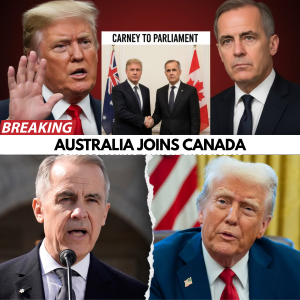
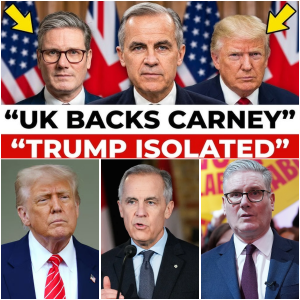
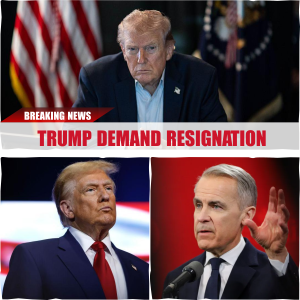
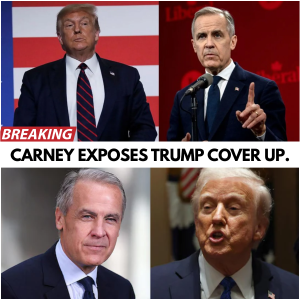
NEW YORK — Online claims that a CNN host abruptly cut off Donald Trump during a live interview, allegedly unleashing a profane tirade and ejecting him from the air, spread rapidly across social media overnight. A review of CNN programming schedules, network statements, and available broadcast recordings shows no evidence that such an incident occurred.
CNN officials said there was no live interview in which Trump was removed from the air by a host, and no verified footage supports assertions that an anchor used profanity or lost control during a segment. No on-air transcript, internal memo, or affiliate feed reflects the confrontation described online.
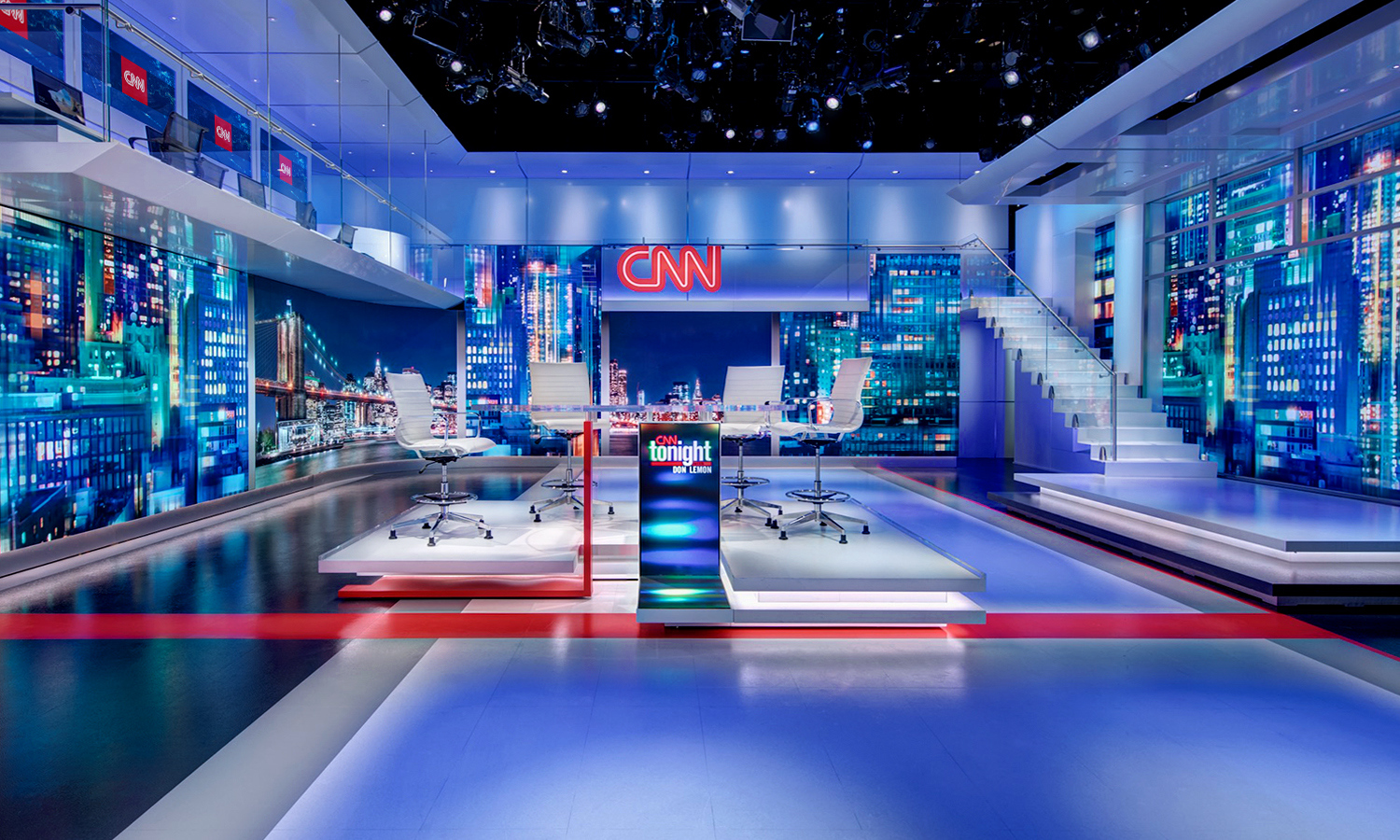
What the Viral Posts Claim
The posts allege that a CNN host ended an interview mid-segment, accusing Trump of lying about the handling of records related to Jeffrey Epstein and using explicit language. They further claim the network was forced into “damage control” after an unscripted meltdown.
None of these details align with CNN’s publicly available programming logs or with recordings monitored by media-tracking services.
How CNN Interviews Actually Work
Live interviews with high-profile figures — particularly former presidents — are subject to multiple layers of editorial control. Producers, control rooms, and network standards departments monitor content in real time. If an interview ends abruptly, viewers typically see a clear cutaway, explanation, or commercial break acknowledged by the host.
“An anchor cannot just ‘kick someone off’ without it being obvious on the broadcast and immediately documented,” said a former cable news executive. “There would be a transcript, a clip, an affiliate record. None exists here.”
CNN also maintains strict standards on language. Profanity of the kind alleged would trigger immediate internal review and public acknowledgment. No such review has been announced.
The Role of Context and Clip Culture
Media analysts say the narrative likely emerged from misattributed or edited footage, possibly combining unrelated clips or commentary segments into a fabricated storyline. Short, decontextualized videos can create the impression of confrontation where none occurred.
In recent months, CNN hosts have questioned Trump’s statements in recorded interviews and panel discussions, sometimes forcefully. Those exchanges, however, remained within professional bounds and aired without interruption.
“Strong questioning is not the same as a meltdown,” said a journalism professor. “But once a caption says ‘kicked off air,’ people watch with that expectation.”

Why the Story Resonated
The claims intersected with several emotionally charged topics: distrust of cable news, ongoing debate over Epstein-related records, and Trump’s fraught relationship with the media. That combination made the story highly shareable, even absent verification.
Hashtags suggesting a “CNN implosion” trended briefly, driven largely by reposts rather than original footage from a credible source.
What Is Known — and What Is Not
-
No verified broadcast shows Trump being removed from CNN live on air.
-
No CNN host has been documented using profane language toward a guest.
-
No network statement acknowledges an on-air incident of the kind described.
CNN declined to comment on specific viral posts but said in a statement that “claims circulating online about our programming should be checked against our actual broadcasts.”
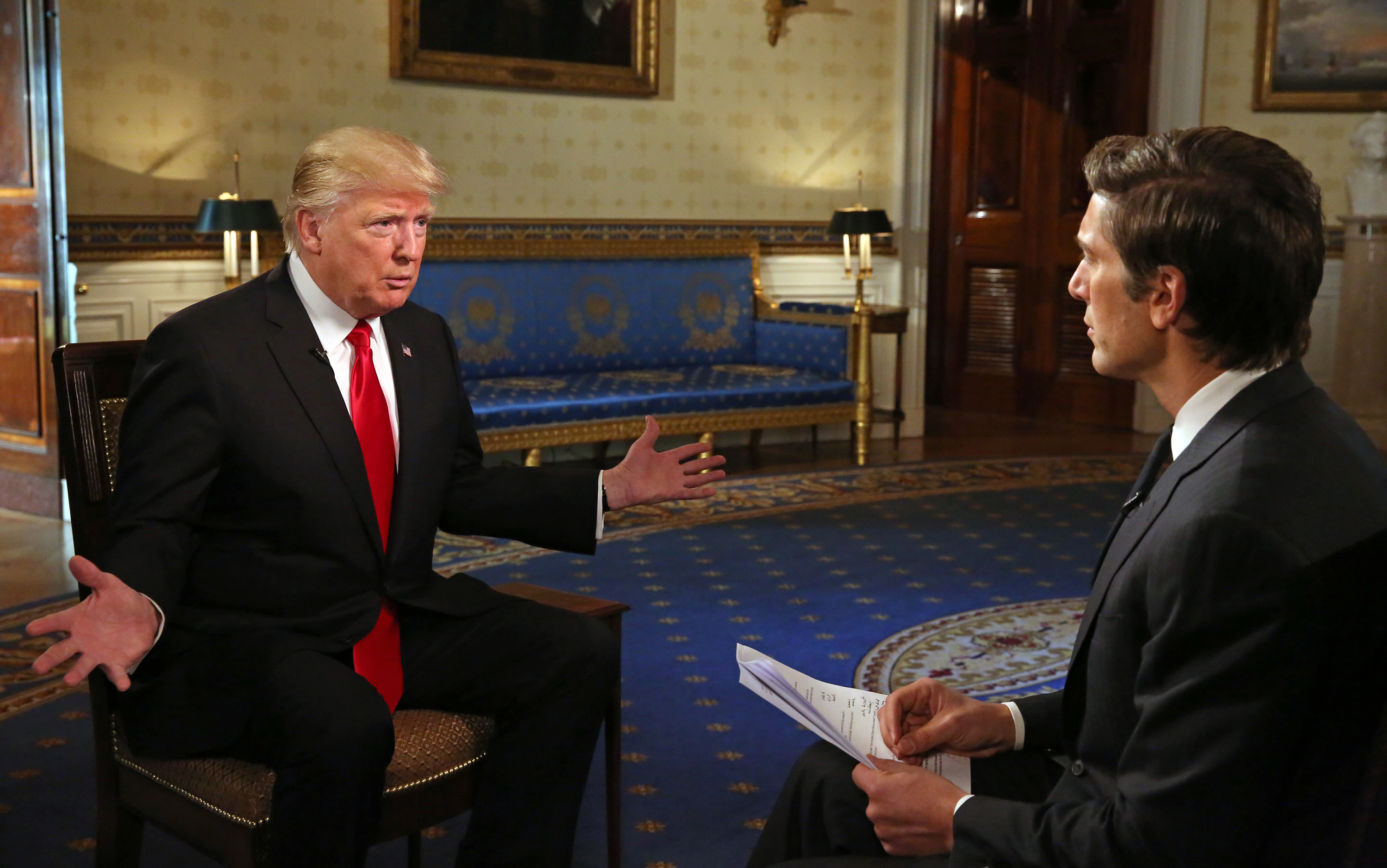
The Broader Media Pattern
False or exaggerated accounts of on-air confrontations are a recurring feature of today’s media ecosystem. Because live television carries an aura of immediacy, invented moments can feel plausible — until they are checked against the record.
“People trust the idea of ‘live TV chaos,’” said a former network producer. “That makes it an easy hook for misinformation.”
For Trump, whose media appearances reliably draw attention, even fictional clashes can gain traction. For networks, the challenge is responding without amplifying narratives that collapse under scrutiny.
As of now, there is no evidence of the alleged CNN-Trump confrontation. The network’s programming continued uninterrupted, and no disciplinary actions or corrections were announced.
In an era where viral claims can outpace verifiable facts, media experts urge viewers to look for the simplest confirmation: a full, unedited broadcast from a reputable source. In this case, it does not exist.