Trump’s Allies Seek to Undermine Jack Smith, Only to Hand Him a Platform
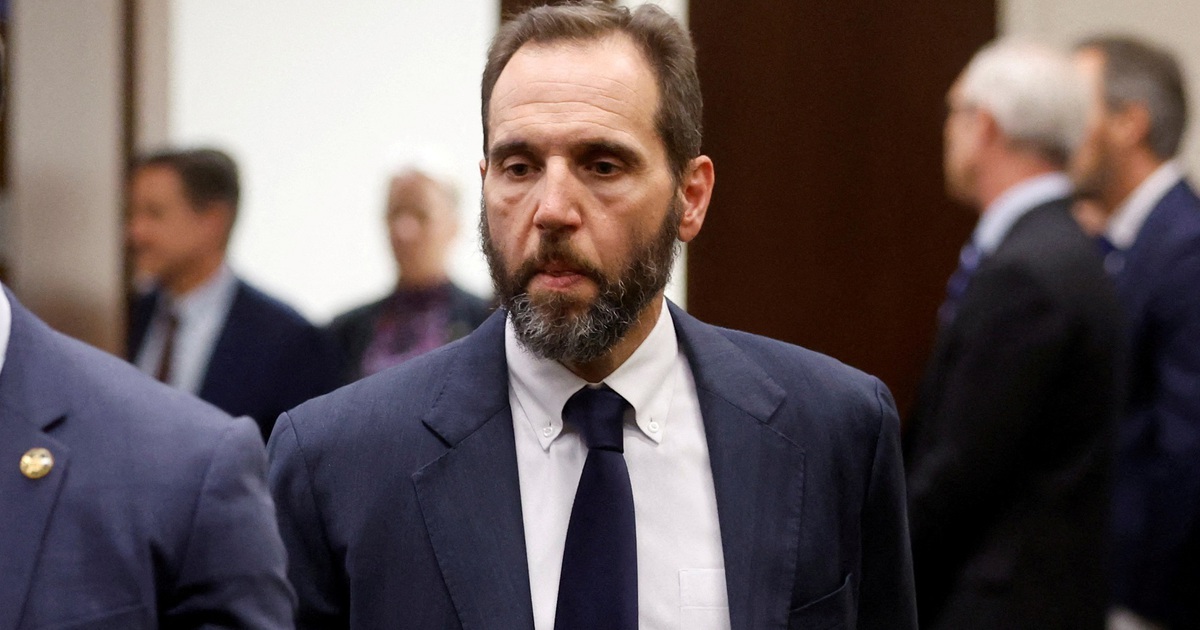
In what was intended as a carefully orchestrated congressional inquiry into the work of Special Counsel Jack Smith, the House Judiciary Committee, led by staunch allies of former President Donald J. Trump, instead provided Mr. Smith with one of the most authoritative public forums he has had since his investigations began. The closed-door session, convened last week, was meant to challenge the credibility of Mr. Smith’s prosecutions related to election interference and the mishandling of classified documents. Instead, it became a moment of unintended consequence: Mr. Smith, composed and unflinching, reaffirmed the strength of his evidence, declaring it met the standard of “proof beyond a reasonable doubt.”
The hearing was no ordinary congressional proceeding. It was a high-stakes political maneuver, designed to cast doubt on the motives and methods of the special counsel who had pursued two separate criminal cases against Mr. Trump. Republican lawmakers, many of whom had publicly questioned whether the investigations were politically motivated, hoped to extract admissions of bias or procedural overreach. What they received was a meticulous, on-the-record defense of the cases’ foundations.
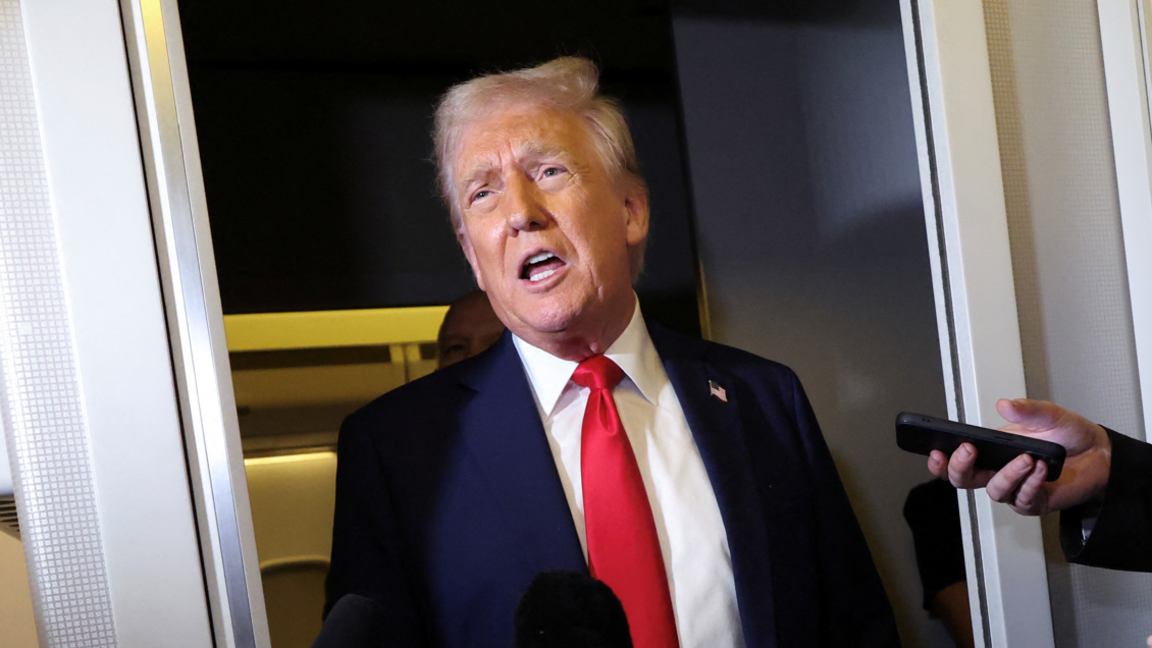
According to people familiar with the session, who spoke on condition of anonymity to discuss a closed proceeding, Mr. Smith spoke for nearly four hours. He described the breadth of evidence gathered over years — including witness interviews, digital records, and physical documents — and emphasized that the charges were not based on speculation but on a deliberate pattern of conduct. On the classified documents case, he detailed how materials marked as top secret were stored in unsecured locations, including bathrooms and ballrooms at Mar-a-Lago, and how efforts to obstruct the government’s recovery of those materials appeared willful.
The most striking moment, according to several accounts, came when Mr. Smith invoked the phrase “proof beyond a reasonable doubt” — the legal threshold required for criminal conviction. It was a rare public assertion from a prosecutor who had largely operated in silence since the cases were paused following Mr. Trump’s return to office. Legal scholars noted that the statement, now part of the official congressional record, could carry significant weight in future proceedings.
The session’s outcome has been widely described, even by some Republicans, as a strategic miscalculation. “They thought they were cornering him,” said one senior Republican aide, who spoke on condition of anonymity. “Instead, they gave him a platform and a transcript that’s now public forever.”
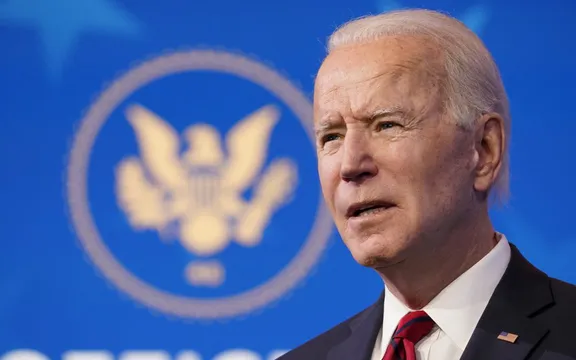
The fallout extended beyond the Capitol. Former President Joe Biden, in a pointed social media post that quickly circulated online, appeared to reference the episode without naming Mr. Trump directly. “Some empires are built to last,” he wrote. “Others collapse under their own weight.” The remark, interpreted by many as a direct jab at Mr. Trump’s political operation, was shared thousands of times within hours.
Democrats, who had been largely sidelined from the hearing, seized on the moment to argue that the episode exposed the risks of politicizing the justice system. “This was never about oversight,” Representative Jamie Raskin of Maryland, a senior Democrat on the Judiciary Committee, said in an interview. “It was about trying to intimidate a prosecutor. They ended up handing him the microphone.”
Inside the Trump orbit, reactions were mixed. Some advisers privately expressed frustration that the hearing had been called at all, arguing it revived attention on cases that had been dormant. Others defended the move as necessary to push back against what they called a “weaponized” investigation. Publicly, however, the former president and his allies have sought to downplay the significance of Mr. Smith’s testimony, with some calling it “more of the same partisan nonsense.”
The episode has also reignited debate over the independence of the Justice Department and the use of congressional oversight powers. Legal experts say the hearing could complicate future efforts to challenge the credibility of Mr. Smith’s work, given that his statements were made under oath and in a formal setting.
For now, the transcript remains a quiet but potent document — one that may outlast the political noise that surrounded its creation. As one veteran congressional staffer put it: “They wanted to bury the story. Instead, they gave it a permanent address.”