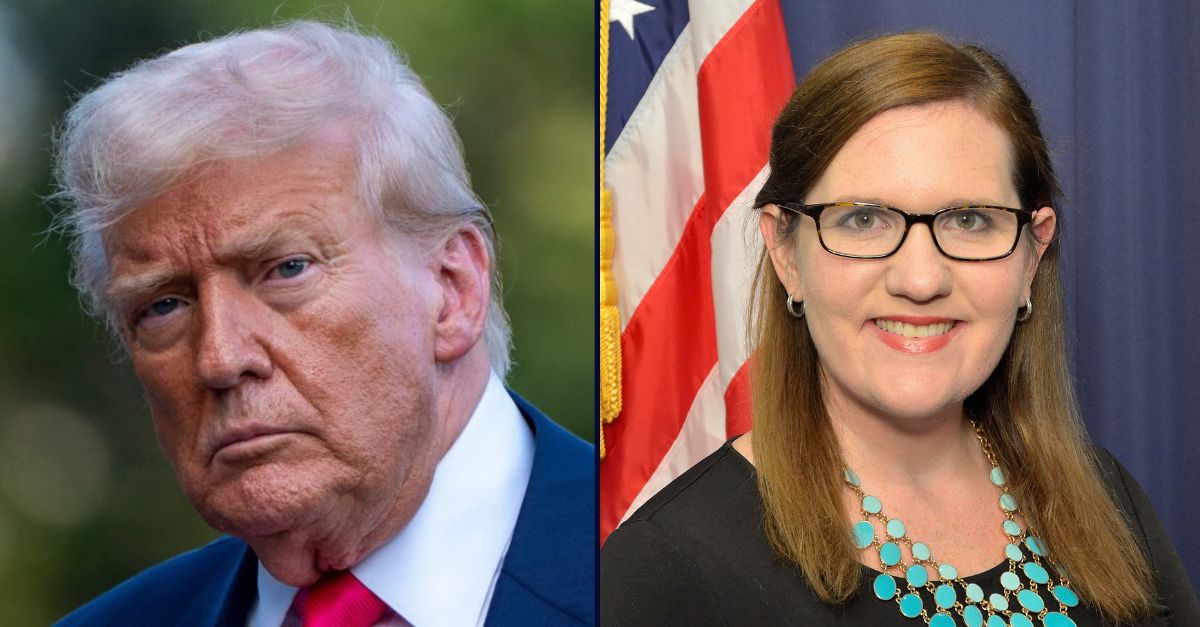
WASHINGTON — In a case that could reshape the boundaries of executive authority, the Supreme Court on December 8, 2025, heard arguments in Trump v. Slaughter, a dispute centering on President Donald J. Trump’s removal of Rebecca Kelly Slaughter from her position as a commissioner of the Federal Trade Commission. The firing, which occurred in March 2025 without specified cause, challenges a nearly century-old precedent that limits presidential power over independent agencies. Legal experts say the outcome could either affirm longstanding protections for regulatory independence or grant presidents sweeping control over federal bureaucracies, affecting everything from monetary policy to antitrust enforcement.
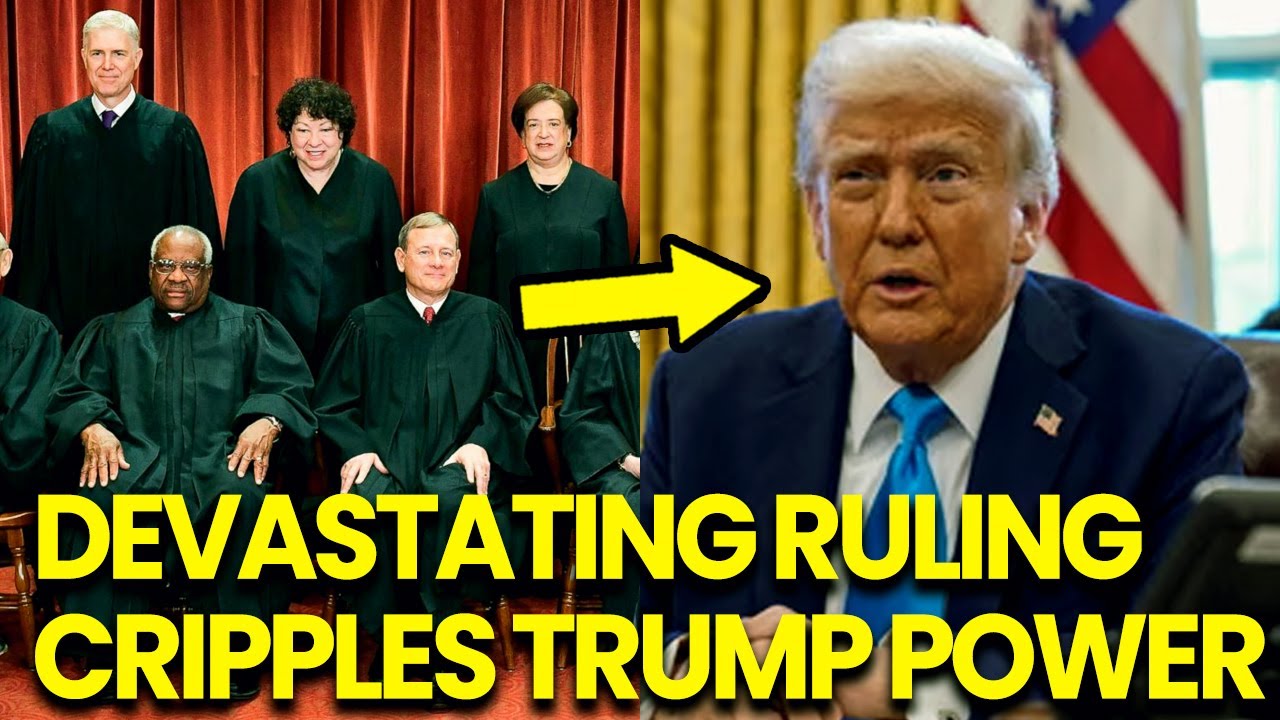
The origins of the case trace back to the Humphrey’s Executor v. United States decision of 1935, in which the Court unanimously ruled that President Franklin D. Roosevelt could not remove a Federal Trade Commissioner solely for policy disagreements. That ruling established Congress’s authority to insulate certain agencies from direct presidential interference, ensuring decisions based on expertise rather than political loyalty. Trump’s administration, however, contends that such restrictions violate the Constitution’s vesting of executive power in the president, advocating for a “unitary executive” theory that demands absolute removal authority.
During oral arguments, Solicitor General John Sauer, representing the Trump administration, described Humphrey’s Executor as “grievously wrong,” arguing it creates an unaccountable “fourth branch” of government. Conservative justices appeared sympathetic: Justice Samuel Alito questioned the logic of agency independence given presidential appointment powers, while Justice Clarence Thomas, a longtime critic of the administrative state, probed historical interpretations of executive control. Justice Brett Kavanaugh inquired about the founders’ intent, suggesting a potential openness to revisiting the 1935 precedent.
Liberal justices, in contrast, voiced deep concerns about the implications. Justice Elena Kagan warned that overturning Humphrey’s Executor would concentrate “massive power” in the president’s hands, potentially politicizing functions like interest rate setting by the Federal Reserve or securities regulation by the Securities and Exchange Commission. Justice Sonia Sotomayor went further, stating the administration’s position could “destroy the structure of government,” emphasizing Congress’s role in designing agencies to withstand partisan pressures. Justice Ketanji Brown Jackson highlighted practical fallout, questioning the validity of decades of agency decisions if independence is eroded.
The case arises amid broader tensions in Trump’s second term, where the president has pushed to “drain the swamp” by replacing career officials with loyalists. Slaughter, a Democrat appointed during Trump’s first term, was removed after reportedly clashing with the administration’s agenda on consumer protection and tech regulation. Lower courts sided with her, reinstating her position and deeming the firing unlawful under the FTC Act, which allows removal only for “inefficiency, neglect of duty, or malfeasance in office.” The Supreme Court’s review, expedited for the December session, underscores the conservative majority’s willingness to revisit New Deal-era frameworks.
Beyond the FTC, a ruling in Trump’s favor could impact over two dozen agencies with similar protections, including the National Labor Relations Board, which safeguards worker rights, and the Consumer Financial Protection Bureau, which combats predatory lending. Economists warn that politicizing the Federal Reserve could lead to volatile monetary policy tied to election cycles, eroding market stability. Labor advocates fear weakened union protections, while consumer groups anticipate selective enforcement favoring politically connected corporations.

Political ramifications loom large, especially with a decision expected by mid-2026, ahead of midterm elections. Democratic strategist James Carville, in a recent New York Times op-ed, predicted a “massive collapse” for the Trump administration, advising his party to let Republicans falter under self-inflicted pressures. If the Court upholds Trump’s authority, it could embolden further executive actions, fueling accusations of authoritarianism from critics. Conversely, a defeat might constrain Trump’s agenda, prompting attacks on the judiciary and legislative pushes for reform.
The hearing builds on recent Court decisions expanding presidential power, such as the immunity ruling in Trump v. United States, which shielded official acts from prosecution. Legal scholars debate whether this trend aligns with originalism or risks an “imperial presidency.” As one expert noted, the founders designed checks and balances to prevent power concentration, yet modern interpretations could tilt the scale toward unchecked executive dominance.
Public reaction has been polarized, with Trump supporters viewing the case as essential for bureaucratic accountability, while opponents decry it as a power grab threatening democratic institutions. Protests outside the Court highlighted fears of eroded worker and consumer rights, and online discussions have amplified warnings from liberal justices about structural upheaval.
As the justices deliberate, the case stands as a pivotal test of American governance. A shift toward greater presidential control could redefine the administrative state for generations, influencing policy from Wall Street to Main Street. With the nation’s regulatory framework at stake, the ruling will not only define Trump’s legacy but also the enduring balance between executive ambition and institutional safeguards.