In the waning days of 2025, as holiday festivities loom, Washington is gripped by a political maelstrom centered on the Jeffrey Epstein files. The Epstein Files Transparency Act, a bipartisan measure signed into law by President D.o.n.a.l.d T.r.u.m.p in November, mandated the full release of Department of Justice documents related to the convicted sex trafficker by December 19. Yet, what emerged was a paltry fraction of the expected trove, sparking accusations of deliberate obfuscation and igniting calls for drastic measures, including arrests and impeachment proceedings against top officials.
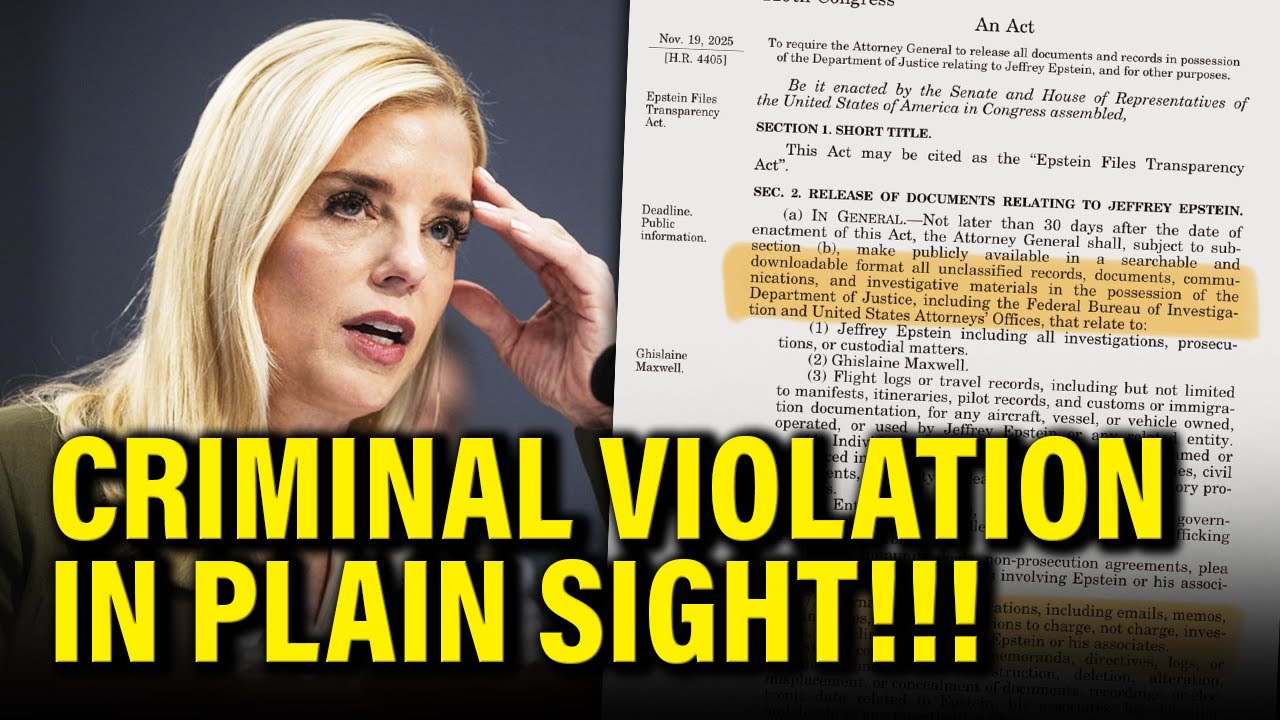
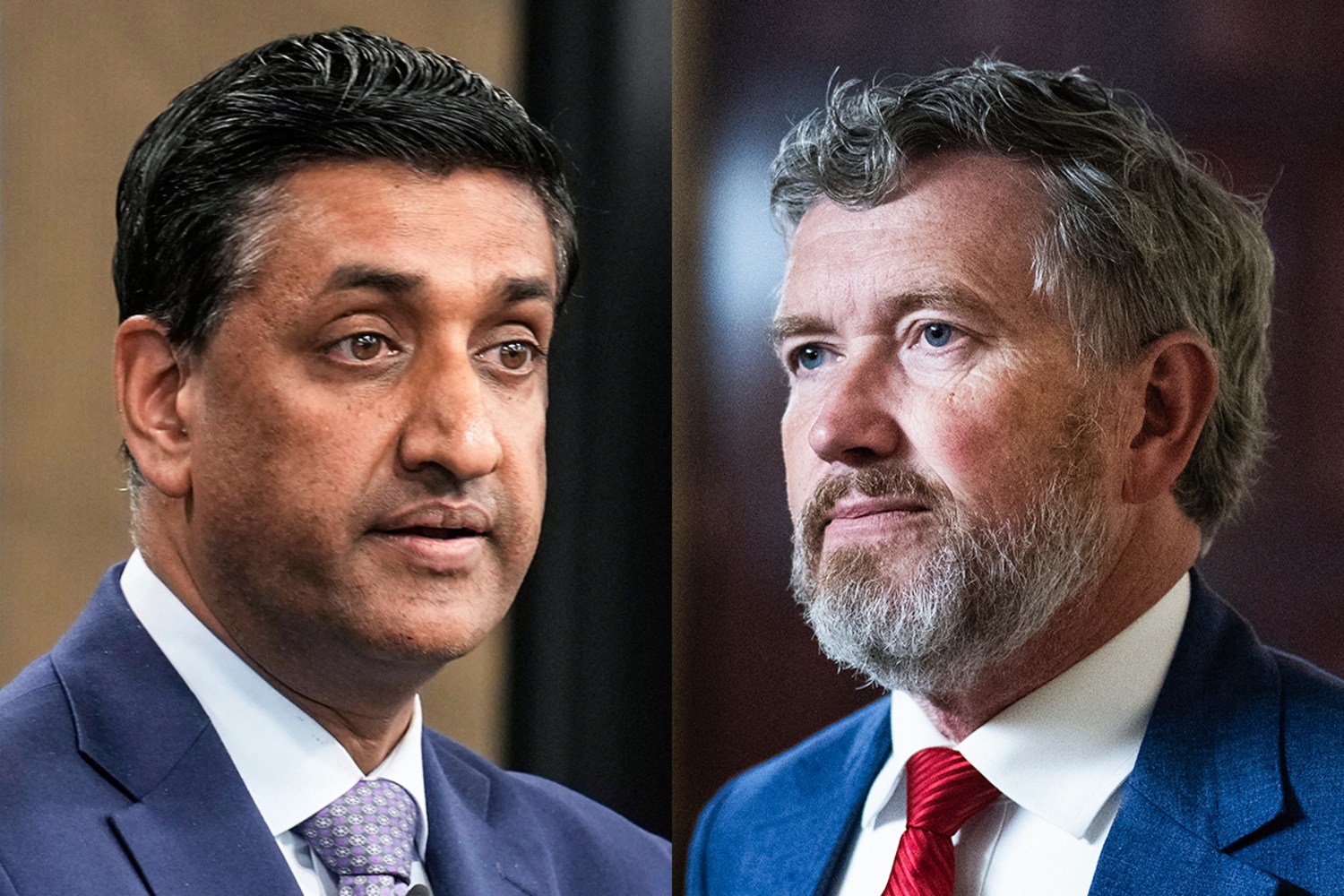
The law, co-sponsored by Republican Representative Thomas Massie and Democratic Representative Ro Khanna, aimed to shed light on Epstein’s network of influential associates, many of whom remain shrouded in mystery. Passed unanimously in the Senate and with broad support in the House, it required the Attorney General to disclose all unclassified records, redacting only to protect victims’ identities. However, the DOJ’s release—comprising just 33,000 pages out of an estimated 300 gigabytes—has been derided as inadequate, with entire documents blacked out, drawing comparisons to heavily censored Pentagon reports.
Critics from both parties have been vocal in their condemnation. Massie, a libertarian-leaning Republican, took to social media to warn that future administrations could pursue criminal charges against Attorney General Pam Bondi and her team for violating the statute. He highlighted the absence of explanations for redactions, as required by law, and pointed to a fully blacked-out 119-page grand jury document that a federal judge had already ordered released. Khanna echoed these sentiments, labeling the dump “incomplete” and exploring options like impeachment referrals or inherent contempt charges.
The backlash extends beyond Capitol Hill. Survivor advocates and journalists who have long tracked the Epstein saga expressed profound disappointment, noting that the redactions appear to shield “politically exposed individuals” and government officials rather than solely victims. One poignant example: photos and documents briefly posted online were swiftly removed, fueling speculation of selective editing. Even Fox News, typically aligned with the administration, reported on these inconsistencies, underscoring the bipartisan nature of the outrage.
Democratic Congressman Robert Garcia, in discussions with the House Judiciary Committee led by Jamie Raskin, signaled readiness for legal action if stonewalling persists. He criticized the non-functional searchable database provided by the DOJ, calling it a facade of transparency. Meanwhile, Republicans like Marjorie Taylor Greene and Lauren Boebert have rallied behind Massie’s push for a full release, with Greene publicly decrying the administration’s delays as unacceptable.
This episode marks a rare fracture within the GOP, where loyalty to T.r.u.m.p has often trumped oversight. Massie accused House Speaker Mike Johnson of adjourning Congress early to avoid a vote on his bill demanding complete disclosure, a move that has drawn ire from across the aisle. With 212 Democrats and 11 Republicans co-sponsoring the measure, the pressure is mounting for a forced vote upon reconvening.
The administration’s defense hinges on the need for thorough redactions to safeguard victims, a process they claim is ongoing. Bondi, in statements, has admitted to possessing vast quantities of material but insists on prioritizing privacy. However, skeptics point to prior inconsistencies: Bondi initially claimed no additional documents existed, only to release thousands later, raising questions about credibility.
Victim attorneys, in private communications with lawmakers, have identified at least 20 unnamed men accused of sex crimes in FBI forms that remain withheld. If the final production omits these, it would confirm suspicions of selective compliance. Legal experts argue that the statute leaves no room for delays due to workload, emphasizing that the law’s intent was unambiguous accountability.

As 2025 draws to a close, this scandal underscores deeper tensions in T.r.u.m.p’s second term. What began as a bipartisan triumph for transparency has devolved into a partisan battleground, with implications for executive accountability. Observers note that even allies are growing weary of the administration’s pattern of resistance, potentially eroding support at a critical juncture.
Looking ahead, the coming weeks could see escalated confrontations. With Congress set to return, Massie and Khanna’s coalition may push for subpoenas or contempt citations, testing the limits of separation of powers. In a political landscape already fraught with division, the Epstein files saga serves as a stark reminder that some truths, once buried, demand to be unearthed—no matter the cost.