GOP Leaders Threaten Legal Action Against Trump Justice Department Over Epstein Files Release
WASHINGTON — In a rare display of bipartisan outrage, Republican lawmakers have joined Democrats in accusing the Justice Department under President Trump of defying a federal law by releasing only a sliver of documents related to Jeffrey Epstein, the financier and convicted sex offender whose death in 2019 has fueled years of speculation and conspiracy theories.
The Epstein Files Transparency Act, passed unanimously by Congress in November and signed into law by President Trump, required the attorney general to make public all unclassified Justice Department records concerning Epstein within 30 days. The deadline passed on December 19 with what critics describe as a token release: roughly 33,000 pages — less than one gigabyte of material — out of an estimated 300 gigabytes held by federal agencies.
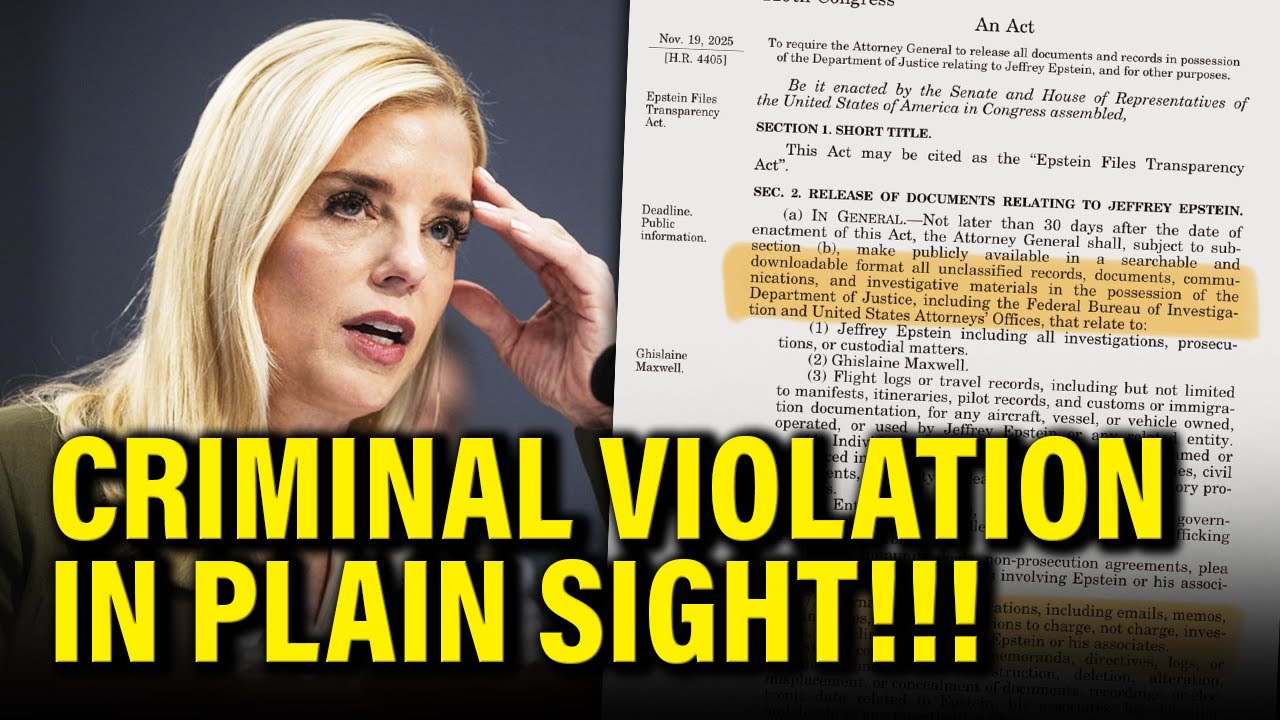
Representative Thomas Massie, Republican of Kentucky and a co-sponsor of the legislation, called the release “a mockery of congressional intent.” In a statement posted on social media, Mr. Massie warned that “a future DOJ could criminally prosecute Attorney General Pam Bondi and others” for failing to comply with the statute. He described the redacted documents, including one 119-page grand jury file that was entirely blacked out, as “an insult to the American people.”
Representative Ro Khanna, Democrat of California and the bill’s other principal sponsor, echoed the sentiment. “This is not transparency,” Mr. Khanna said in an interview. “This is a deliberate stonewall. We’ve seen no explanation for the mass redactions, no list of withheld materials, and no evidence that the department has even begun to fulfill its legal obligation.”
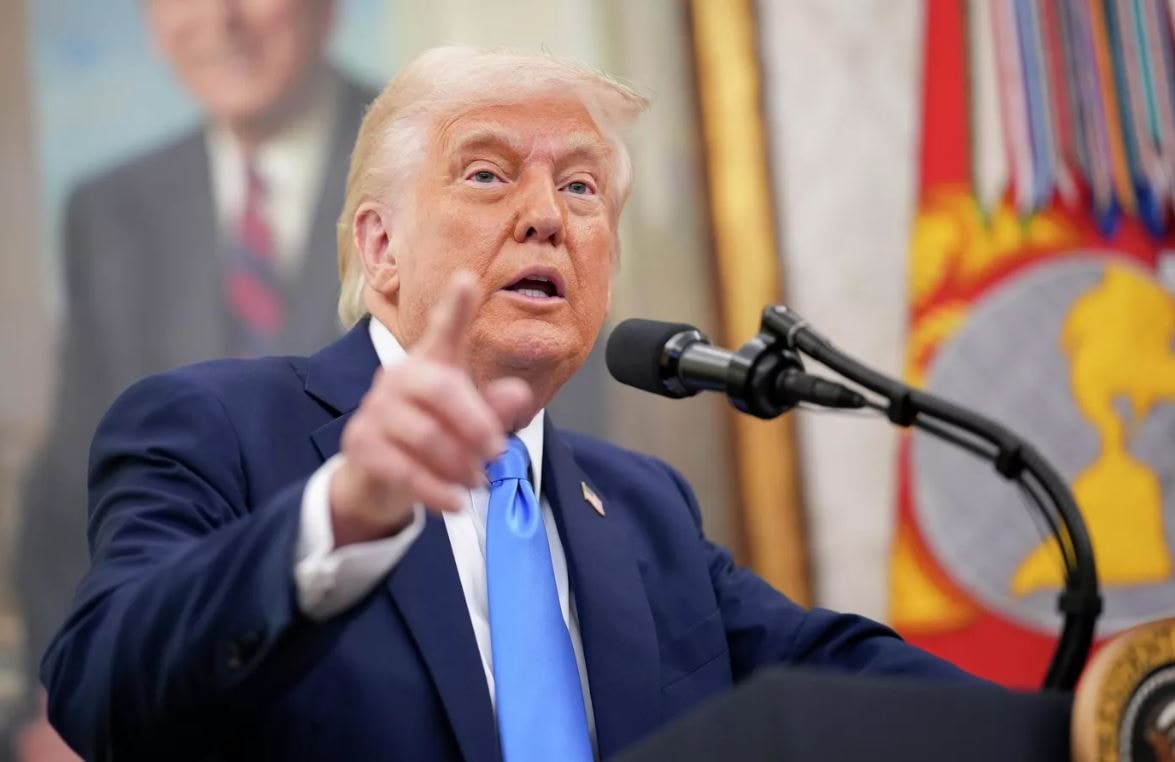
The Justice Department defended the release, saying it had made available “hundreds of thousands of pages” while continuing to review materials to protect victim identities and comply with privacy laws. Officials emphasized that redactions were necessary to shield sensitive information, including the identities of minors and witnesses. A department spokesman declined to comment on the total volume of files or on the use of broad redactions to cover “politically exposed individuals,” a practice first highlighted by Fox News Digital.
The controversy has exposed deep frustration within the Republican ranks. Representative Marjorie Taylor Greene of Georgia, a staunch Trump ally, expressed exasperation on X, writing, “We passed this law together. The president signed it. Now the DOJ is playing games. This is unacceptable.” Representative Lauren Boebert of Colorado also endorsed the push for further action.
Lawmakers from both parties have floated potential consequences, including impeachment referrals, inherent contempt proceedings against department officials, and even criminal referrals for obstruction of justice. Representative Robert Garcia, Democrat of California, said he and Mr. Khanna had spoken with survivors’ lawyers, who believe at least 20 names of men accused of sexual crimes remain undisclosed in FBI FD-302 interview summaries.
The scale of the shortfall is stark. According to a briefing provided to members of Congress, the department’s release represents less than 1 percent of the total material in its possession. Much of what was made public consisted of already available court filings or heavily redacted documents, including one that appeared to be a complete black-out of a New York grand jury transcript.
The episode has also raised questions about the administration’s commitment to transparency, particularly given President Trump’s repeated promises to expose Epstein’s network. In private conversations, some Republican aides have expressed concern that the partial release has inadvertently fueled conspiracy theories rather than dispelled them.
Legal experts said the statute offers little wiggle room. Unlike discretionary guidelines, the law imposes a clear mandate with no provision for delay based on workload. “If Congress wanted to give the executive branch discretion, it would have written discretion into the law,” said a former Justice Department official who spoke on the condition of anonymity to discuss internal deliberations.

As lawmakers return to Washington after the holiday recess, pressure is mounting for a new vote on legislation that would force fuller disclosure. Mr. Massie and Mr. Khanna plan to introduce a bill to compel the release of remaining materials, with all 212 Democrats and at least 11 Republicans already expressing support.
For now, the standoff underscores a broader tension: a president and Congress united in passing a transparency law, only to see the executive branch accused of undermining it. Whether the episode leads to formal legal action or simply more public recrimination remains to be seen. But in the polarized climate of Washington, the Epstein files have become an unlikely battleground where partisan lines have blurred — and the demand for accountability has only grown louder.