WASHINGTON — Claims circulating online this week that the Supreme Court quietly ordered Donald Trump to comply with a previously unknown subpoena are not supported by court records, according to a review of the Supreme Court’s docket and federal judicial procedure.
No such order has been issued by the Supreme Court of the United States, and there is no indication that the Court is overseeing — or has revealed — a secret grand jury investigation involving Trump.
Court officials and legal scholars note that while grand jury proceedings themselves are confidential, any case reaching the Supreme Court would still appear on the Court’s public docket, even if certain filings were sealed. As of this week, no docket entry reflects a subpoena dispute involving Trump, nor has the Court released an opinion or order compelling him to produce documents.
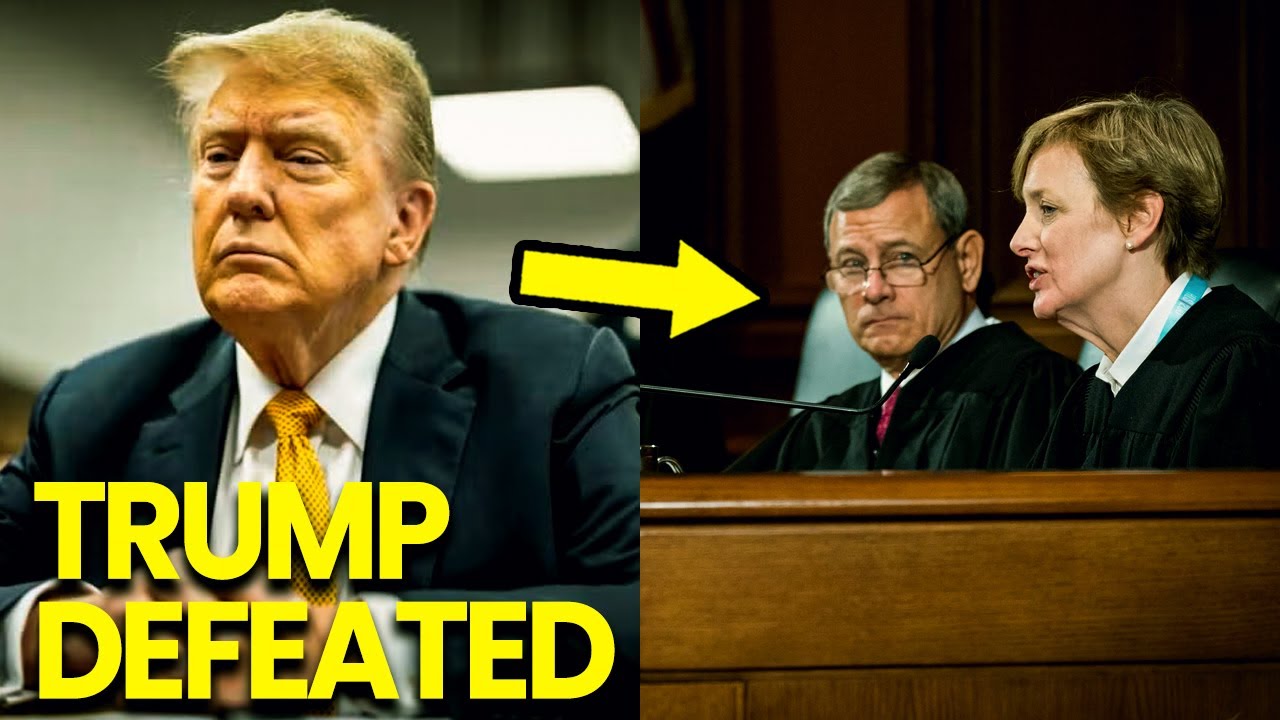
The claims, which spread rapidly across social media platforms, suggested that the Supreme Court had denied an appeal, ordered Trump to turn over financial records and foreign communications within 72 hours, and warned of contempt or jail time for noncompliance. Such actions, experts say, fall outside the Court’s role.
Under U.S. law, subpoenas are issued and enforced by lower courts, typically federal district courts, at the request of prosecutors or grand juries. The Supreme Court does not issue subpoenas, supervise grand juries, or directly impose compliance deadlines on parties. When the Court declines to hear a case, enforcement remains with the lower court that issued the original order.

“If the Supreme Court were to rule on a subpoena dispute of this magnitude, it would be a major constitutional event,” said a former federal appellate clerk. “It would be public, documented, and immediately reported by every major news organization.”
The Court also does not conduct investigations. Grand juries operate under the authority of trial courts, not appellate courts, and the Supreme Court’s involvement is limited to reviewing legal questions that arise during litigation.
Trump is currently involved in several high-profile legal matters across multiple jurisdictions, including criminal and civil cases. Some involve sealed filings, and others raise questions about executive privilege and immunity. Those cases are proceeding through established legal channels and have been extensively covered by the press.
However, none involve a newly disclosed Supreme Court subpoena or an undisclosed yearlong investigation revealed by the justices themselves.

Legal analysts say the viral narrative appears to combine elements of real legal concepts — such as grand jury secrecy and past Supreme Court rulings limiting claims of absolute presidential immunity — into a scenario that does not align with how the federal judiciary operates.
In recent years, misinformation involving the Supreme Court has become increasingly common, particularly in politically charged cases where the Court’s procedures are less familiar to the public. Unlike trial courts, the Supreme Court moves deliberately, publishes formal orders, and leaves an extensive paper trail.
As of now, there is no evidence of any Supreme Court action ordering Trump to produce documents, comply with a subpoena on an emergency basis, or face contempt sanctions.
For such an order to exist, it would have to appear — at minimum — on the Court’s docket. It does not.