The Justice Department’s release of thousands of documents related to Jeffrey Epstein has plunged the Trump administration into a new political crisis, as photographs briefly posted online — including one showing President Trump — were abruptly removed, prompting accusations of a cover-up from lawmakers on both sides of the aisle.
On Friday, the department began publishing files mandated by a bipartisan law signed by President Trump last month, requiring the disclosure of nearly all unclassified records concerning Epstein, the financier and convicted sex offender who died in custody in 2019.
Among the initial trove were images from searches of Epstein’s properties, including one depicting a drawer containing personal photographs, one of which featured Mr. Trump alongside Epstein, his former wife Melania Trump, and Ghislaine Maxwell, Epstein’s longtime associate convicted of sex trafficking.
By Saturday, that image and more than a dozen others had vanished from the department’s public website without explanation, igniting outrage. Democrats on the House Oversight Committee quickly reposted the photo, questioning Attorney General Pam Bondi directly: “Is this true? What else is being covered up?”. Deputy Attorney General Todd Blanche later attributed the removals to concerns raised by victims’ rights groups, insisting the department did not believe any victims were depicted. The image was subsequently restored, but the episode fueled suspicions of selective editing.
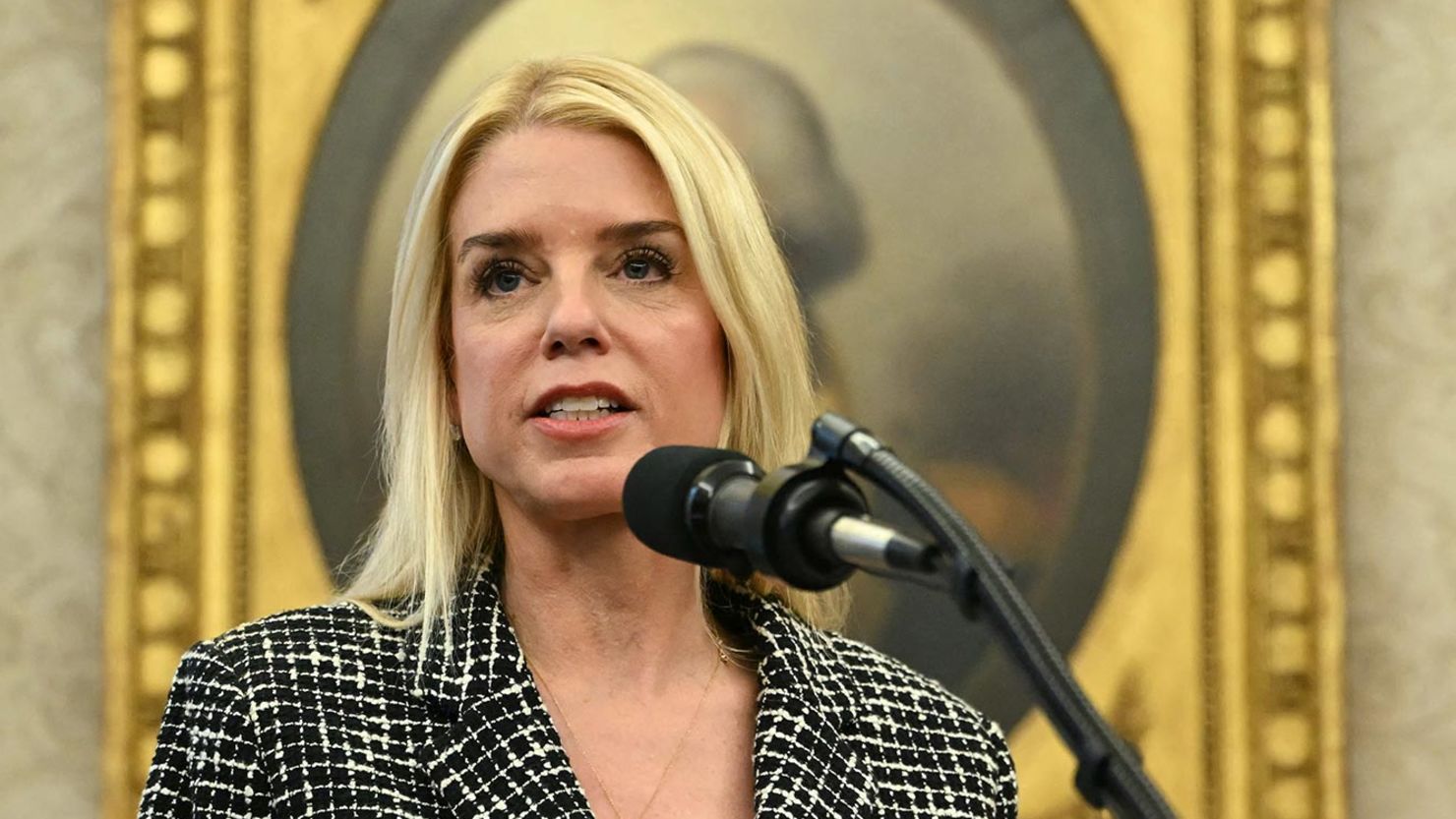
Bipartisan frustration mounted swiftly. Representatives Ro Khanna, Democrat of California, and Thomas Massie, Republican of Kentucky — co-sponsors of the transparency act — announced they were exploring contempt of Congress charges against Ms. Bondi and even drafting articles of impeachment, arguing the partial, heavily redacted release violated the law’s clear mandate.
Mr. Massie called the rollout a “gross failure” to comply with both the spirit and letter of the legislation, while Mr. Khanna described the redactions as raising “red flags” that something improper was afoot.
The released materials, while voluminous, offered few new revelations. They included previously public flight logs, address books, and photographs of celebrities like former President Bill Clinton, but references to Mr. Trump were sparse and largely known from prior disclosures.
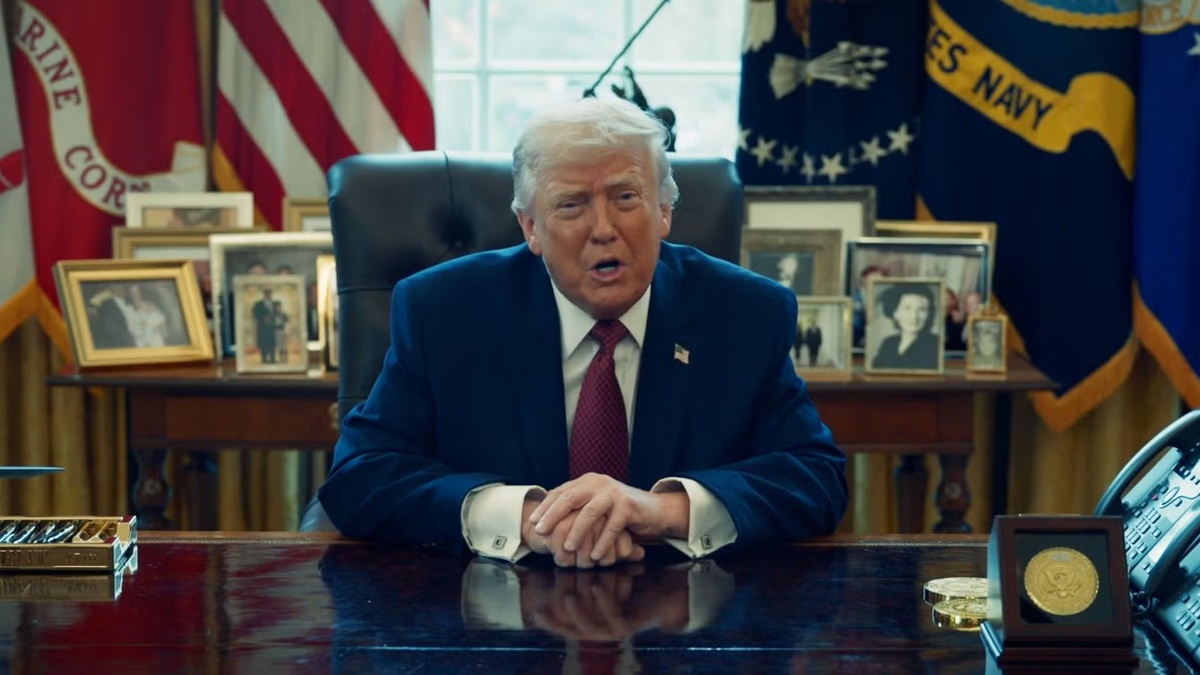
Administration officials defended the process, emphasizing the need to protect victims’ identities through redactions and promising additional releases in coming weeks. Mr. Blanche stressed on Sunday television appearances that no information related to President Trump was being withheld.
Yet the handling has revived long-standing questions about the Justice Department’s preparedness and transparency, particularly given Ms. Bondi’s earlier public assurances that a comprehensive review was underway. The episode underscores the enduring political toxicity of Epstein’s network of powerful associates, even years after his death.