House Republicans Revolt Against Speaker Johnson Over Expiring Health Care Subsidies
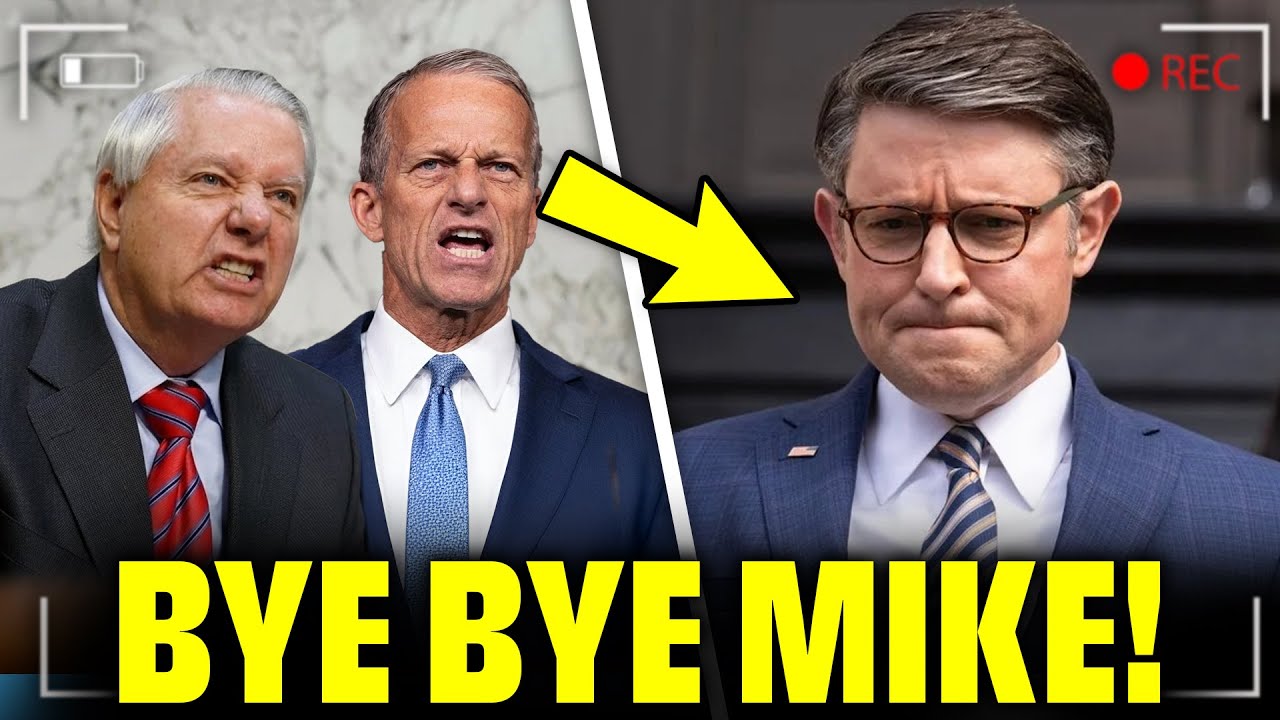
WASHINGTON — In a dramatic display of internal discord, four moderate House Republicans joined Democrats this week to force a vote on extending enhanced Affordable Care Act subsidies, delivering a stinging rebuke to Speaker Mike Johnson as the party heads into the holiday recess with unresolved tensions over health care policy.
The move, which came after weeks of behind-the-scenes negotiations collapsed, ensures that the House will consider a Democratic bill early next year to prolong the pandemic-era tax credits for three years. Those subsidies, set to expire on Dec. 31, have kept premiums affordable for more than 20 million Americans enrolled in marketplace plans. Their lapse is projected to cause sharp increases in costs starting in January, a prospect that has alarmed Republicans in competitive districts.
The defectors — Representatives Brian Fitzpatrick and Rob Bresnahan Jr. of Pennsylvania, Ryan Mackenzie of Pennsylvania, and Mike Lawler of New York — signed onto a discharge petition led by House Minority Leader Hakeem Jeffries, Democrat of New York. The petition reached the required 218 signatures on Wednesday, bypassing Mr. Johnson’s control of the floor agenda.
“Unfortunately, it is House leadership themselves that have forced this outcome,” Mr. Fitzpatrick said in a statement, reflecting the frustration among centrists who had pushed for a compromise that included reforms like income caps on eligibility.
The confrontation traces back to a contentious closed-door conference meeting last week, where a group of moderate Republicans, including members of the Republican Governance Group, directly challenged Mr. Johnson over his refusal to allow a vote on extending the subsidies. Eyewitness accounts described raised voices and heated exchanges as lawmakers from swing districts warned of political fallout if premiums spiked heading into the 2026 midterms.
Mr. Johnson, a Louisiana Republican who has navigated a razor-thin majority since assuming the speakership, sought to downplay the rift. “I have not lost control of the House,” he told reporters on Wednesday, attributing the dynamics to the “smallest majority in U.S. history.” He added, “These are not normal times.”
Yet the episode has exposed deepening fractures within the Republican conference. Hard-line conservatives have resisted any extension, viewing the enhanced subsidies as an unwarranted prop for the Affordable Care Act, often derided as Obamacare. Leadership aligned with that view, advancing instead a separate package — the Lower Health Care Premiums for All Americans Act — focused on expanding options like association health plans for small businesses and the self-employed.
That bill passed the House on Wednesday along party lines, but it offers no immediate relief for the impending premium hikes and drew criticism even from some Republicans as insufficient. Democrats seized on the division, with Mr. Jeffries calling for an immediate vote on his extension bill before lawmakers departed for the holidays.
The revolt is not isolated. It follows a pattern of procedural maneuvers this year in which small groups of Republicans have circumvented leadership, including successful discharge petitions on other issues. Analysts say the health care impasse underscores broader challenges for Mr. Johnson: balancing the demands of moderates fearful of electoral backlash with conservatives insistent on ideological purity.
Polls have shown growing voter concern over rising health costs, with many trusting Democrats more on the issue. Vulnerable Republicans worry that allowing subsidies to expire without action will hand opponents a potent attack line in 2026, when control of the House is at stake.
Behind the scenes, aides to Mr. Johnson scrambled to contain the damage, framing the moderates’ action as a pressure tactic rather than a outright mutiny. Some conservatives, however, expressed private fury, accusing the defectors of handing Democrats a victory.
As Congress adjourns for the year, the forced vote in January looms as an early test for the new session. Bipartisan talks in the Senate continue, but with Republicans controlling both chambers and the White House, the onus remains on the G.O.P. to resolve its internal civil war.
For Mr. Johnson, the episode serves as a reminder of the precariousness of his position. With midterm elections approaching and economic pressures mounting, the party’s unity — or lack thereof — could shape not only health policy but the broader political landscape.
The coming weeks, as families face potential insurance notices reflecting higher costs, may amplify the fallout. As one Republican strategist put it, speaking on condition of anonymity: “This isn’t just about subsidies. It’s about whether we can govern without tearing ourselves apart.”