A Fractious Republican Party Faces Internal Reckoning After High-Profile Departure
WASHINGTON — The resignation last month of Representative Marjorie Taylor Greene, once one of President Trump’s most ardent defenders in Congress, has exposed deepening fissures within the Republican Party as it navigates the second year of Mr. Trump’s second term.
Ms. Greene, the Georgia Republican known for her fiery rhetoric and unwavering loyalty to the “Make America Great Again” movement, announced on Nov. 21 that she would step down from her seat effective early January 2026. In a lengthy video statement and accompanying letter, she described her decision as a refusal to remain in what she called an abusive dynamic, likening her treatment by Mr. Trump to that of a “battered wife.”

The departure came after a public feud in which Mr. Trump withdrew his support for her re-election, endorsing a primary challenger and labeling her a “traitor” on his social media platform. Insiders familiar with the matter, speaking on condition of anonymity, described a rapid escalation: Ms. Greene had increasingly asserted independence, criticizing the administration on issues including foreign aid, healthcare costs and the handling of Jeffrey Epstein-related files. Mr. Trump, in turn, responded with characteristic bluntness, urging his followers to abandon her.
The fallout was swift. Ms. Greene cited escalating death threats linked to the president’s attacks, prompting her to reflect publicly on the “toxic” political culture she herself had helped foster. In interviews, she expressed regret for past inflammatory statements while lamenting what she saw as the Republican establishment’s betrayal of core MAGA principles. “If I am cast aside by MAGA Inc and replaced by neocons, Big Pharma, Big Tech and the military-industrial complex,” she wrote, “then many common Americans have been cast aside as well.”

Her exit narrows an already razor-thin Republican majority in the House, complicating Speaker Mike Johnson’s efforts to advance the president’s agenda. It also signals broader unease. Other lawmakers, including Representatives Don Bacon of Nebraska and Victoria Spartz of Indiana, have echoed frustrations, with some contemplating early departures amid infighting, security concerns and policy disagreements over issues like Ukraine aid and tariffs.
Analysts say Ms. Greene’s resignation is symptomatic of a party grappling with Mr. Trump’s dominance. Once a symbol of the MAGA wing’s ascendance, her break underscores the perils of dissent in a movement built on personal loyalty. “Trump remains the overwhelming force in the GOP,” said one Republican strategist who requested anonymity to speak candidly. “But loyalty is a one-way street, and that’s starting to wear on even the most faithful.”
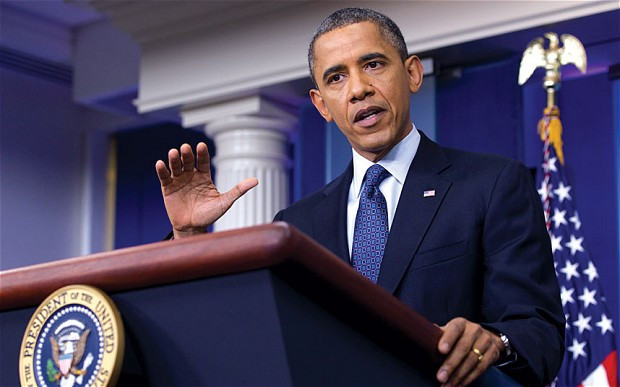
The episode has revived old critiques. Clips of former President Barack Obama’s past remarks — including his measured, ironic observations on political division and loyalty during the 2016 campaign — have resurfaced online, circulating widely among critics. Mr. Obama, who has largely stayed out of day-to-day politics, has not commented directly, but the timing amplifies perceptions of irony: a president who demanded absolute allegiance now facing defections from his own ranks.
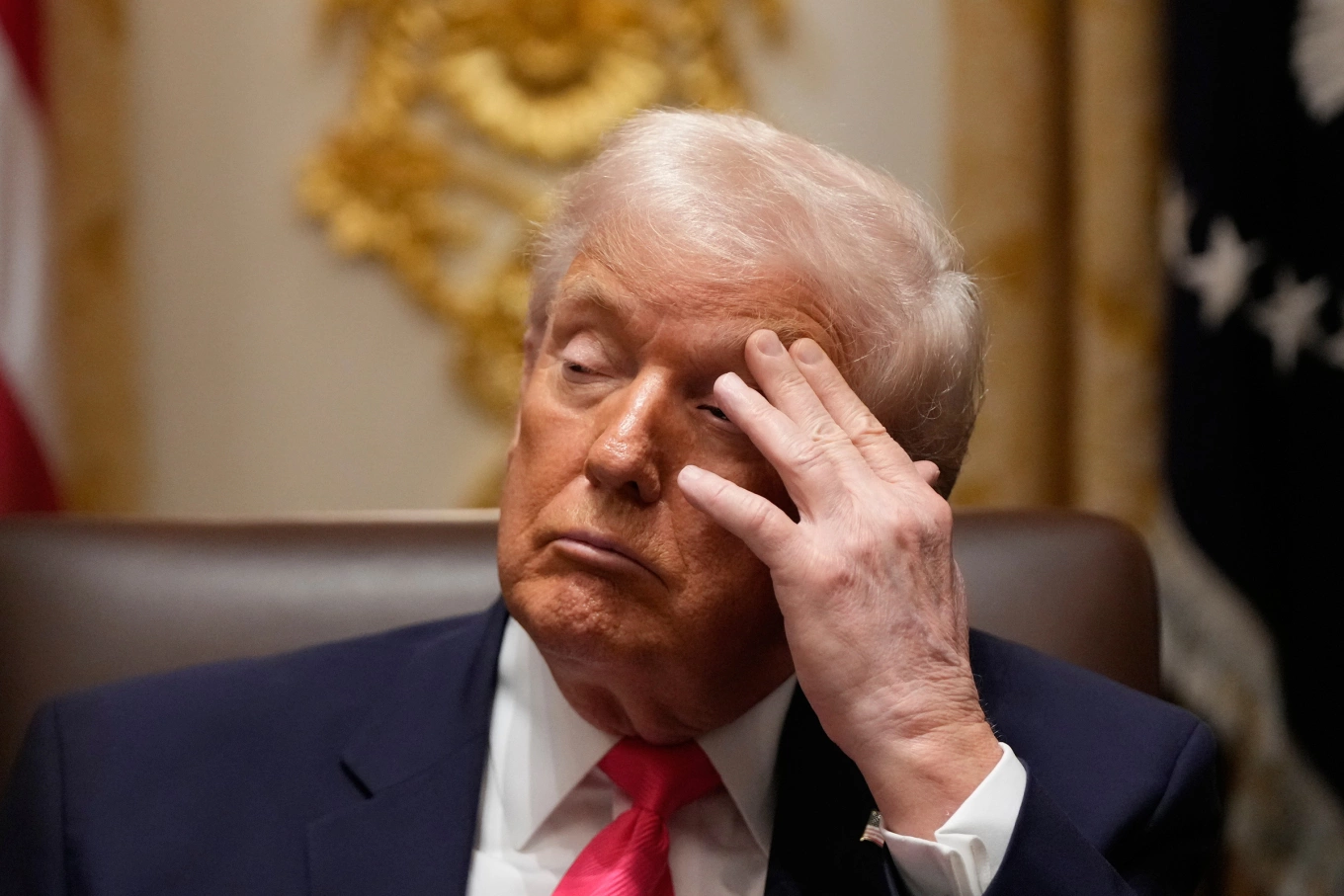
Within Mr. Trump’s circle, aides have sought to downplay the rift, framing it as an isolated case of one lawmaker’s overreach. Yet private conversations reveal concern. With midterm elections approaching in 2026, Republicans worry that internal purges could alienate independent voters and depress turnout. Polls show Mr. Trump’s approval ratings dipping amid economic pressures and cultural battles, prompting whispers of a “sinking ship” metaphor in conservative media circles.
Ms. Greene’s supporters argue her departure is a loss for the party’s populist edge. “She fought harder than anyone,” said one ally. Others see opportunity: her absence may smooth passage of administration priorities in a fractious House.
Still, the episode serves as a cautionary tale. In a party remade in Mr. Trump’s image, loyalty has proven both a strength and a fragility. As one former GOP lawmaker put it, “This isn’t just one exit — it’s a flare warning of storms ahead.”
For Republicans eyeing the midterms, the question lingers: Can the MAGA coalition hold, or will more fractures emerge? The coming months, with battles over spending, immigration and foreign policy looming, may provide the answer.