In a Fiery Address, Obama Accuses Trump of Obstructing Epstein Files, Igniting Debate on Transparency
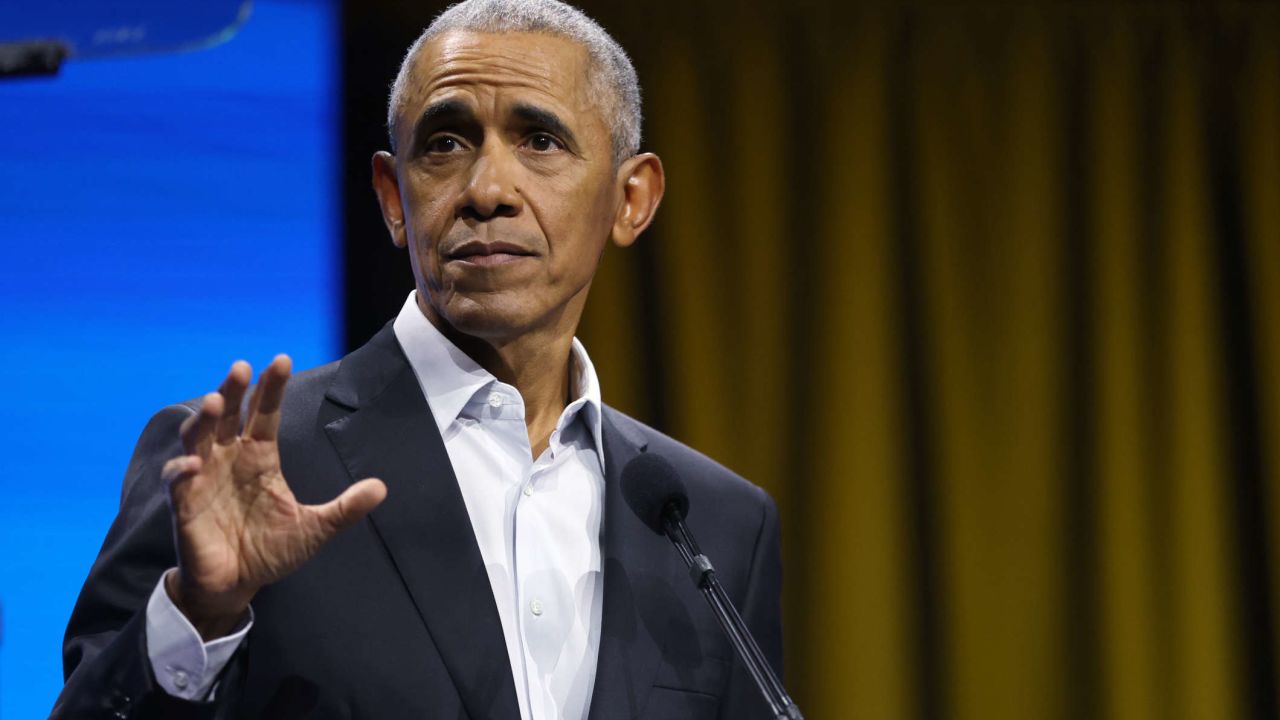
In a speech that echoed the partisan divides of past election cycles, former President Barack Obama on Friday lambasted the Trump administration for what he called a deliberate effort to conceal documents related to the late financier Jeffrey Epstein. Speaking to a virtual audience from his Washington residence, Mr. Obama framed the issue as a fundamental betrayal of democratic principles, invoking themes of trust and accountability that have long defined his public rhetoric.
The address, streamed live on social media and quickly amassing millions of views, came amid growing scrutiny over the Department of Justice’s handling of the Epstein files. A bipartisan Transparency Act, passed in 2024 and signed into law by President Trump himself, mandated the release of unredacted documents by December 1, 2025. Yet, as the deadline passed, only heavily redacted portions were made public late on a Friday evening — a tactic critics derisively call a “document dump” to minimize media attention.

Mr. Obama, dressed in a crisp navy suit and speaking with the measured cadence that marked his presidency, did not mince words. “This isn’t transparency; it’s a charade,” he said, his voice rising slightly for emphasis. “When leaders hide behind black ink and stalled deadlines, they’re not protecting national security — they’re protecting themselves.” He drew parallels to historical cover-ups, subtly alluding to Watergate without naming it, and praised Democratic lawmakers like Representatives Jamie Raskin of Maryland and Robert Garcia of California for their vocal demands for full disclosure.
The Epstein saga, which has haunted American politics for over a decade, revolves around the convicted sex offender’s connections to powerful figures across industries. Epstein, who died by suicide in 2019 while awaiting trial, maintained ties with celebrities, politicians, and business magnates. The files in question include investigative reports, witness statements, and visitor logs from Epstein’s private island and properties, which could shed light on potential enablers of his trafficking network. Survivors of Epstein’s abuse, represented by advocacy groups like the Epstein Victims’ Compensation Program, have long pushed for complete transparency, arguing that redactions perpetuate injustice.
Insiders familiar with the administration’s deliberations, speaking on condition of anonymity to discuss internal matters, revealed that Attorney General Pam Bondi personally oversaw the redaction process. Ms. Bondi, a staunch Trump ally appointed in early 2025, has defended the partial release, citing privacy concerns for unrelated individuals and ongoing investigations. “We’re balancing justice with due process,” she said in a statement last week. However, critics contend that the redactions disproportionately obscure names linked to current power brokers, including those with past associations to Mr. Trump.
Mr. Obama’s intervention adds a layer of personal drama to the controversy. During his presidency, the Obama administration faced its own transparency critiques, particularly over drone strikes and NSA surveillance. Yet, in Friday’s speech, he positioned himself as a guardian of democratic norms, smirking faintly as he quipped, “His reckoning has arrived,” in an apparent jab at Mr. Trump’s legal woes. This line, delivered with a knowing glance at the camera, quickly went viral, spawning memes and hashtags like #EpsteinReckoning on platforms such as X (formerly Twitter).

The White House response was swift and pointed. Press Secretary Karine Jean-Pierre dismissed the remarks as “partisan theater from a has-been leader desperate for relevance.” President Trump, posting on Truth Social, accused Mr. Obama of “stirring up fake news to distract from his own failures.” The exchange has reignited debates about the politicization of justice, with Republicans framing the file release as a non-issue and Democrats warning of eroding public trust.
Beyond the rhetoric, legal experts suggest the redactions may violate the Transparency Act’s intent. “The law was clear: full disclosure unless narrowly justified,” said Neal Katyal, a former acting solicitor general under Mr. Obama, in an interview. A coalition of lawmakers, including Mr. Raskin, has threatened subpoenas and potential contempt charges against Justice Department officials. Hearings could begin as early as January, potentially escalating into an impeachment inquiry if evidence of deliberate obstruction emerges.

Public reaction has been polarized but intense. Polls conducted by The Times/Siena College this week show 58 percent of Americans believe the files should be fully unredacted, with independents leaning heavily toward transparency. Protests outside the Justice Department in Washington drew hundreds on Saturday, chanting “Release the truth!” Survivors like Virginia Giuffre, a prominent Epstein accuser, issued a statement thanking Mr. Obama for amplifying their voices: “This isn’t about politics; it’s about healing.”

As the scandal unfolds, it underscores broader anxieties in a nation still grappling with post-2024 election tensions. Mr. Trump’s second term, secured amid economic rebound promises, now faces this early test of governance. For Mr. Obama, the speech marks a rare foray back into the fray, reminding observers of his enduring influence. Whether it catalyzes real change remains uncertain, but one thing is clear: in an era of deep fakes and distrust, the battle over Epstein’s secrets is far from over.