Analysis: A Contentious Senate Exchange Reflects Deeper Strains Over Trust in Federal Institutions
WASHINGTON — What began as a routine Senate oversight hearing quickly evolved into a sharply polarized exchange that underscored long-running tensions over the role of federal law enforcement in American political life. A heated line of questioning by John Kennedy toward James Comey reignited debates that have lingered since the tumultuous years surrounding the 2016 election and its aftermath.
The hearing, convened to examine issues of institutional accountability and public trust, turned confrontational when Senator Kennedy accused Comey of allowing personal judgment and political considerations to influence his actions while leading the Federal Bureau of Investigation. Kennedy focused in particular on Comey’s handling of internal memoranda and public statements made during politically sensitive investigations, suggesting they contributed to broader skepticism toward federal authorities.
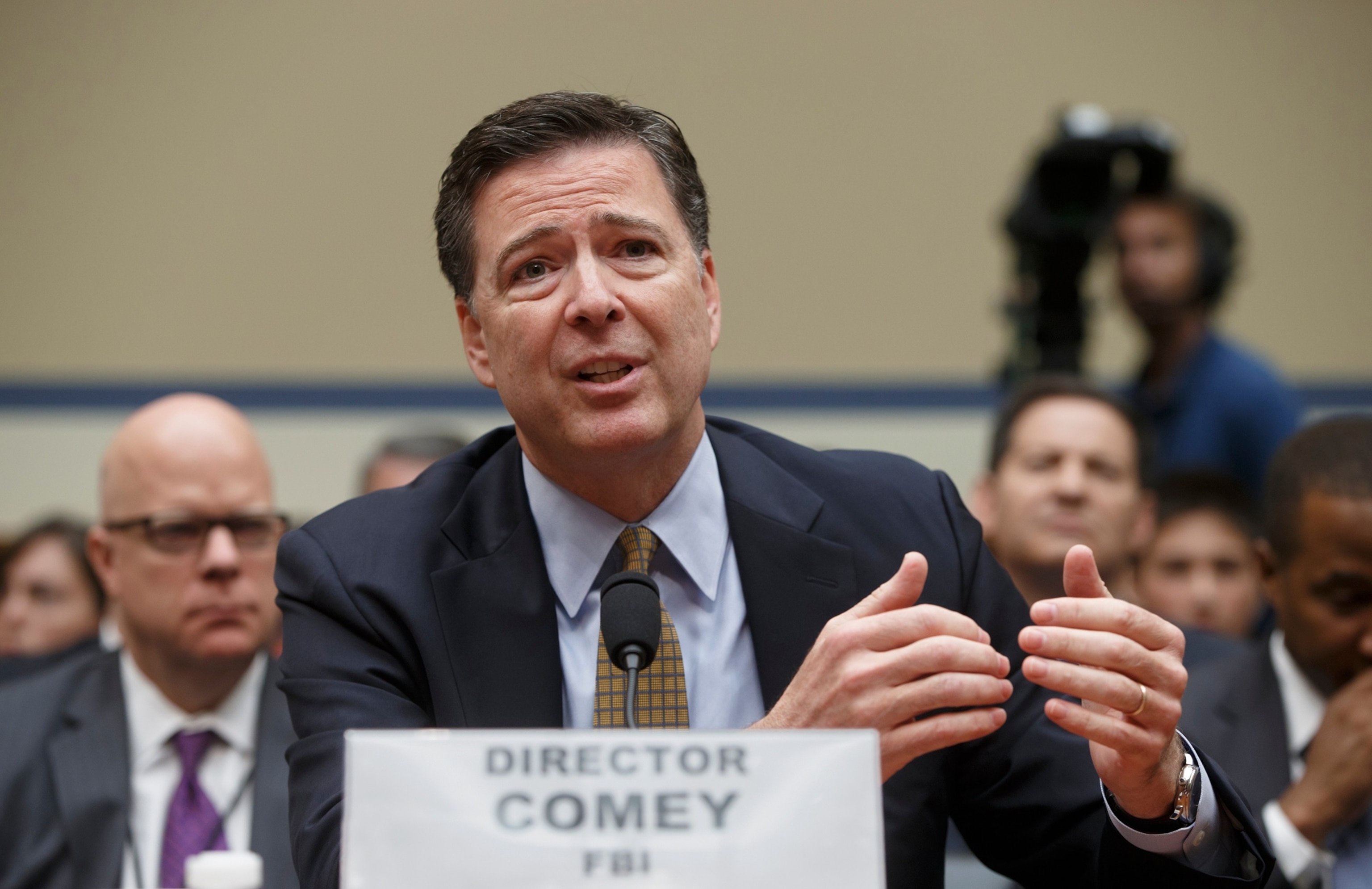
Comey, who has defended his conduct repeatedly since his dismissal in 2017, rejected the accusations, reiterating that his decisions were guided by legal advice and a belief that transparency served the public interest. He acknowledged that some choices were controversial in hindsight but denied acting out of partisan bias.
The exchange, while intense, largely revisited familiar ground. Congressional Republicans have long argued that Comey’s actions — including his public commentary on investigations — violated long-standing norms designed to insulate law enforcement from politics. Democrats, by contrast, have often portrayed Comey as a flawed but independent official navigating unprecedented circumstances.
What distinguished this hearing was not the novelty of the arguments, but the tone. Kennedy’s questioning was pointed and prosecutorial, reflecting frustration shared by many lawmakers who believe unresolved questions continue to undermine confidence in federal institutions. Comey’s responses were measured but firm, emphasizing the complexity of decisions made under extraordinary pressure.
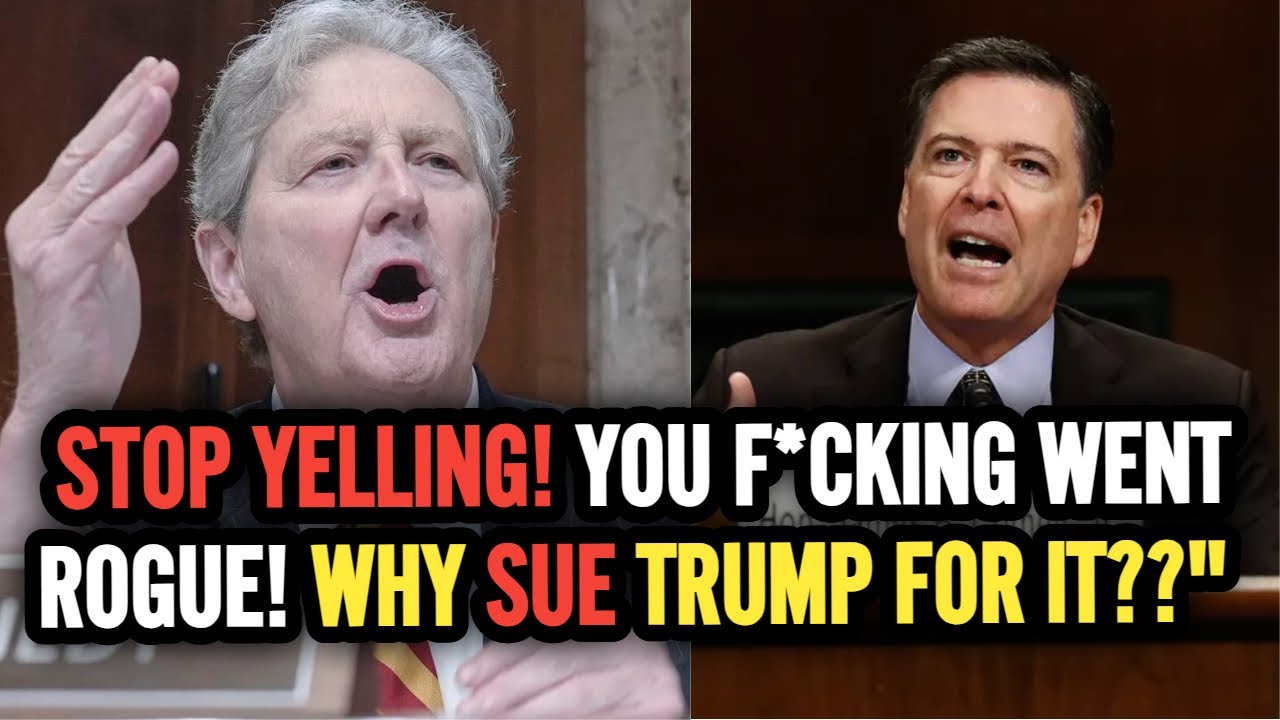
Within minutes, video clips of the exchange circulated widely on social media, framed by supporters as a dramatic reckoning and by critics as political theater. The rapid spread of the footage illustrated how congressional hearings — once largely procedural — have become highly performative events in the digital age, consumed less as governance than as spectacle.
Political communication experts note that such moments often say as much about audience expectations as they do about substance. “Hearings are no longer just fact-finding exercises,” said one former congressional staffer. “They’re stages for signaling — to voters, donors, and online communities.”
Claims circulating online that the exchange has triggered new investigations or uncovered previously unknown misconduct have not been substantiated. No federal agency has announced fresh probes tied to the hearing, and lawmakers from both parties cautioned against conflating aggressive questioning with evidentiary findings.
Still, the broader implications are significant. Trust in the FBI and other federal law-enforcement bodies has declined in recent years, particularly among Republican voters. High-profile confrontations like this one reinforce existing narratives of institutional failure or politicization, regardless of whether new facts emerge.
Comey remains a polarizing figure precisely because he occupies an uncomfortable space in the public imagination — criticized by both sides, yet emblematic of an era when bureaucratic decisions carried enormous political consequences. His continued appearances before Congress ensure that unresolved grievances remain part of the national conversation.
For Senator Kennedy, the exchange served to crystallize a message he has emphasized repeatedly: that powerful officials must be held accountable not only for illegal actions, but for decisions that erode public confidence. Whether that message resonates beyond partisan audiences is an open question.

What is clear is that the hearing reflects a deeper struggle over narrative control. In Washington, accountability is often pursued not only through formal investigations, but through televised confrontation — moments designed to capture attention in a crowded media ecosystem.
As the clip continues to circulate, it is unlikely to resolve long-standing disagreements about Comey’s legacy or the FBI’s role during a divisive period in American politics. But it does illustrate how oversight hearings have become symbolic battlegrounds, where the fight over institutional trust plays out in real time before a national audience.
In that sense, the exchange was less about uncovering new truths than about reaffirming entrenched positions — a reminder that in today’s political climate, even routine hearings can quickly become flashpoints in an ongoing struggle over credibility, power, and public belief.