The long-awaited release of materials related to Jeffrey Epstein was supposed to mark a turning point — a moment of transparency that could finally close one of the most disturbing chapters in modern American public life. Instead, the disclosure has triggered a new political and institutional crisis, placing the Department of Justice under President Donald J. Trump at the center of mounting accusations of obstruction, mismanagement, and deliberate concealment.

According to documents released this week, large portions of the Epstein-related files were heavily redacted, with names, timelines, and institutional connections obscured beyond recognition. What emerged was not clarity, but confusion — and, for many lawmakers and legal experts, a sense that the federal government may be shielding powerful interests rather than serving the public’s right to know. Several members of Congress, including senior figures from both parties, described the release as “deeply inadequate” and “structurally deceptive.”
Behind the documents, the Justice Department itself appears to be under extraordinary strain. Current and former officials confirmed that the agency has experienced an unusual wave of resignations and departures over the past year, affecting prosecutors, investigators, and senior administrators. Internal sources described morale as “fractured” and decision-making as increasingly centralized, with politically sensitive cases subject to heightened scrutiny or delay. While the department has not released official resignation figures, multiple federal courts have noted staffing disruptions in recent filings.

The Epstein case, long a symbol of elite impunity, has taken on renewed political weight under these conditions. Survivors’ advocates argue that the redactions do more than withhold information — they reopen wounds and reinforce the perception that justice operates differently for the wealthy and connected. Legal scholars have echoed those concerns, warning that excessive secrecy in a case of this magnitude undermines public trust in prosecutorial independence.
At the center of the controversy is the Trump administration’s handling of the Justice Department. Critics point to a broader pattern: high-profile investigations narrowed in scope, aggressive internal discipline, and a leadership culture that prizes loyalty over institutional norms. In congressional hearings, lawmakers cited internal DOJ correspondence suggesting that decisions about disclosure were influenced by concerns over political fallout rather than legal necessity.
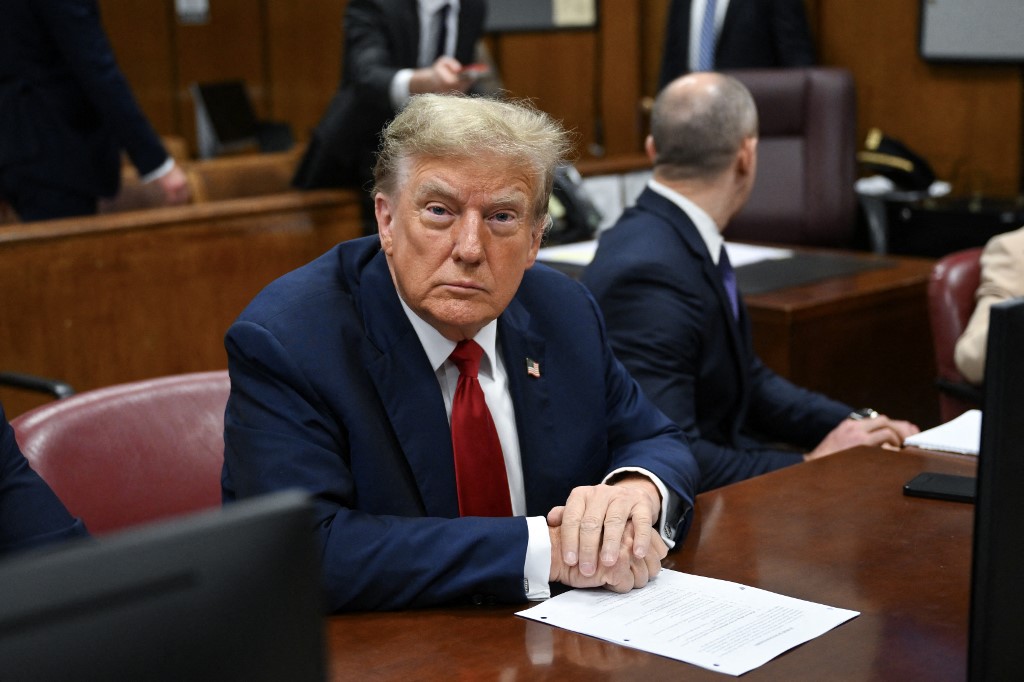
Federal judges, meanwhile, have begun to voice rare public criticism. In recent rulings unrelated to Epstein but affected by DOJ staffing shortages, several judges referenced procedural delays, incomplete filings, and prosecutorial errors that they described as “unusual” for a department of its stature. While none explicitly tied these failures to political interference, the timing has raised questions among legal observers.
The administration has rejected claims of a cover-up. Justice Department spokespeople insist that redactions were legally required to protect ongoing investigations, privacy rights, and national security interests. They argue that critics are conflating legal restraint with obstruction and warn against “sensationalizing” an already sensitive case. Yet that explanation has done little to calm bipartisan frustration on Capitol Hill.
For many Americans, the renewed Epstein controversy is not merely about a single case, but about the health of democratic institutions. The combination of opaque disclosures, internal instability, and political polarization has revived long-standing anxieties about whether the justice system can hold powerful figures accountable. Polling released this week shows declining confidence in federal law enforcement agencies, particularly among younger voters and independents.
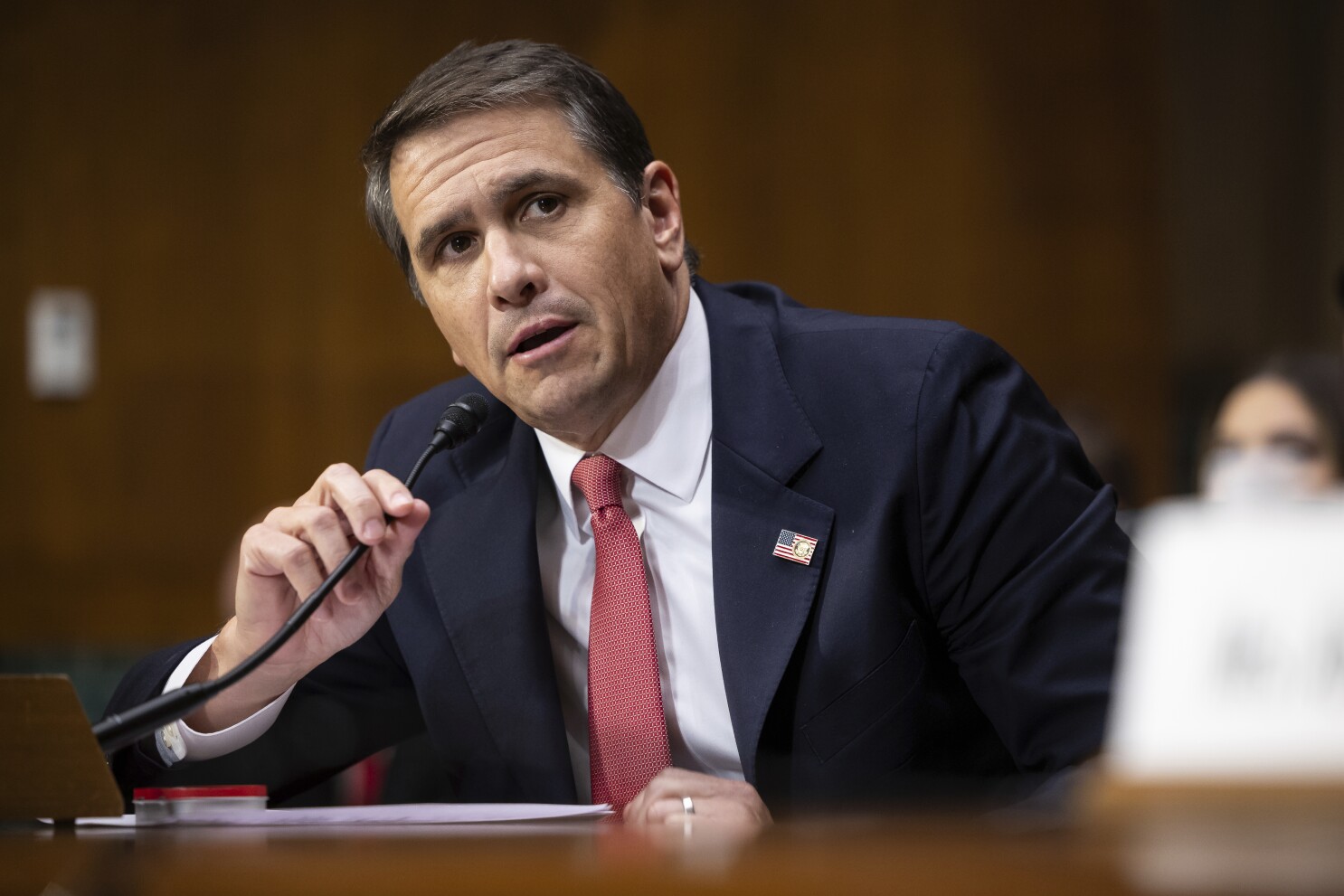
What distinguishes this moment from previous Epstein revelations is the convergence of factors: a polarizing presidency, a strained Justice Department, and a public increasingly skeptical of official narratives. Historians note that moments of institutional crisis often hinge less on what is revealed than on what is withheld — and how those decisions are justified.
As investigations continue and lawmakers push for fuller disclosure, the Epstein files have once again become a mirror reflecting the nation’s unresolved tensions around power, secrecy, and accountability. Whether this episode will lead to substantive reform or fade into another chapter of unresolved controversy remains uncertain. What is clear is that the fallout has already reshaped the political and legal landscape, raising questions that extend far beyond a single name or case.