WASHINGTON — A routine legal threat, once intended to project strength and deterrence, has instead frozen Washington’s attention, triggering a volatile mix of online speculation, political anxiety, and renewed scrutiny of long-dormant associations. At the center of the storm are Donald Trump and Melania Trump, following the release of a new tranche of court-related documents tied to the late financier Jeffrey Epstein.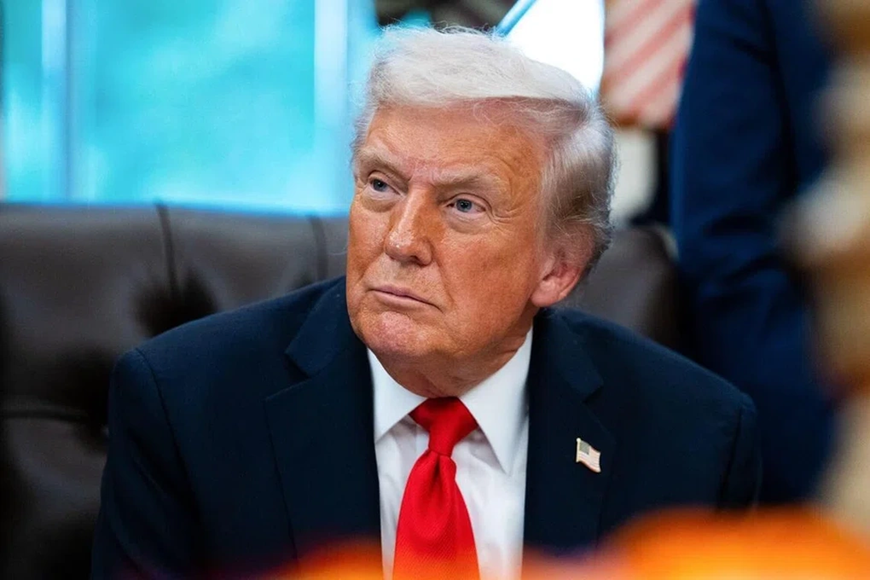
The documents themselves, part of a broader and ongoing disclosure process connected to long-running civil litigation, do not allege wrongdoing by the former first lady. Still, within hours of their release, social media users began combing through the material, resurfacing old photographs, video clips, and public appearances involving figures from Epstein’s orbit. The result was a rapid narrative shift — from a legal warning meant to quiet critics to a widening conversation fueled largely by inference, conjecture, and digital amplification.
According to people familiar with the internal discussions, advisers close to the former president initially considered an aggressive legal response aimed at curbing what they described as “reckless insinuations.” That response, however, never materialized. The threatened lawsuit quietly stalled, prompting a second wave of speculation: Why retreat now?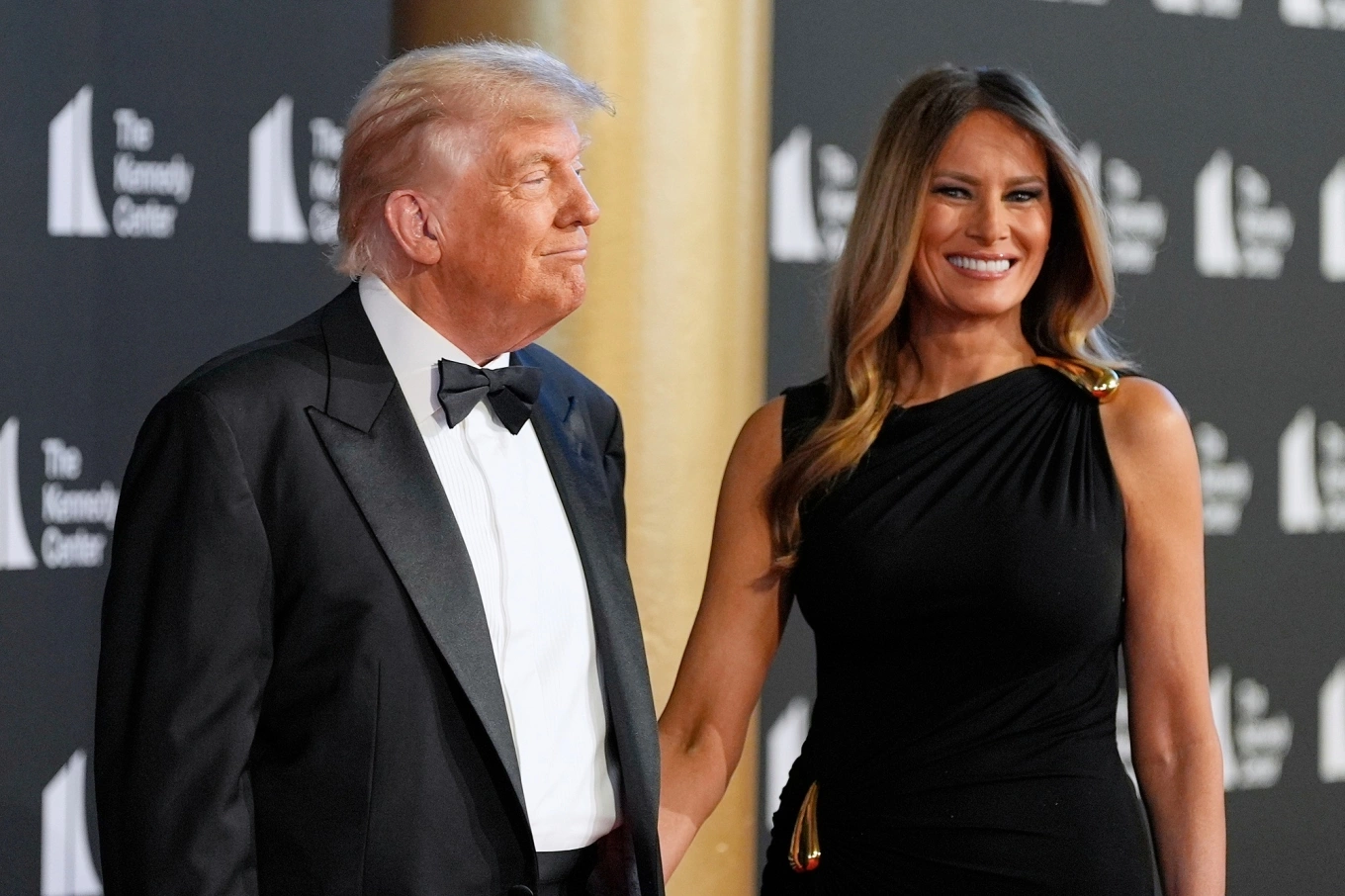
Several legal analysts suggested that the calculus may have been pragmatic rather than political. High-profile defamation lawsuits often invite extensive discovery, sworn depositions, and prolonged media attention — processes that can expand, rather than contain, scrutiny. “Once you enter a courtroom, you lose control of the narrative,” said a former federal prosecutor who has followed similar cases. “Sometimes silence is the least risky option.”
The episode highlights the enduring power of the Epstein saga to destabilize reputations long after his death. While multiple public figures have been named in court documents over the years — often without accusations of criminal conduct — the release of new material reliably ignites online investigations that blur the line between documented fact and implied association.
In this instance, the reaction has been swift. Allies of the former first lady moved quickly to dismiss the renewed attention as a familiar cycle of guilt-by-association claims. Critics, meanwhile, seized on the lack of an immediate legal counterattack as evidence that the moment was being carefully managed behind closed doors.
On Capitol Hill and within Republican political circles, the developments have produced a quieter, more measured unease. “The issue isn’t what’s in the documents,” said one party strategist. “It’s how fast narratives form now — and how hard they are to stop once they start.”
The Trumps have long demonstrated an instinct for confrontation, often using lawsuits or public statements to counter unfavorable coverage. This time, the absence of a visible response has become a story in itself. Some observers interpret it as strategic restraint; others see it as acknowledgment that the terrain has shifted in an era where viral momentum can outpace formal rebuttals.
The broader implications extend beyond the individuals involved. The episode underscores how the Epstein disclosures — incremental, technical, and often misunderstood — continue to reverberate across politics, media, and celebrity culture. Each release creates a momentary vacuum in which speculation thrives, even as courts repeatedly caution against reading the documents as findings of fact.
For now, the pressure remains largely digital, driven by trending hashtags, clipped footage, and algorithmic amplification. Whether it translates into lasting political consequences is unclear. What is certain is that the combination of unresolved legal history, public mistrust, and online detective culture has once again produced a familiar result: a sudden silence that speaks almost as loudly as any denial.
As the documents continue to circulate and commentary multiplies, advisers close to the former president are said to be watching carefully — weighing whether engagement would extinguish the fire or only feed it. In Washington, where every pause is parsed for meaning, the quiet retreat has become its own kind of alarm bell.