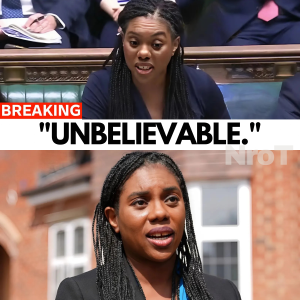
ON-AIR CLASH BETWEEN SEN. KENNEDY AND SEN. WARREN SPARKS TALK OF LEGAL ESCALATION
A televised exchange between Senator John Kennedy and Senator Elizabeth Warren has drawn widespread attention this week, after a tense on-air disagreement was framed online as a potential prelude to legal action. While no court filing has been publicly confirmed, the episode has reignited debate about the intersection of political rhetoric, media platforms, and defamation law.
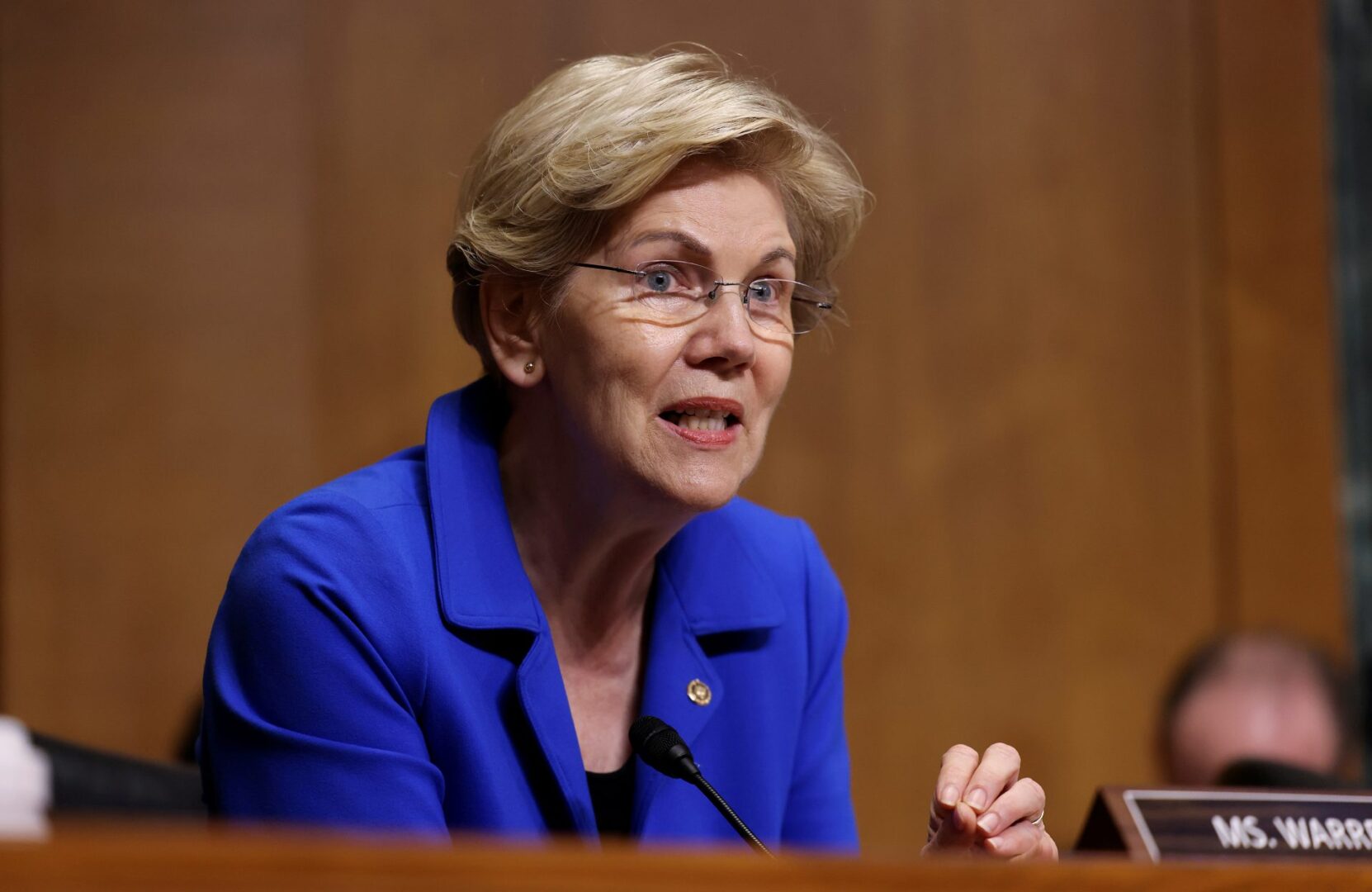
According to accounts circulating on social media, the segment was initially intended as a broad discussion of national law enforcement priorities and civic engagement. The tone reportedly shifted when Senator Warren sharply criticized Kennedy’s record and public commentary, characterizing his role in partisan terms. The exchange, as clipped and shared online, shows Kennedy responding at length, disputing the characterization and emphasizing his background in law and public service.
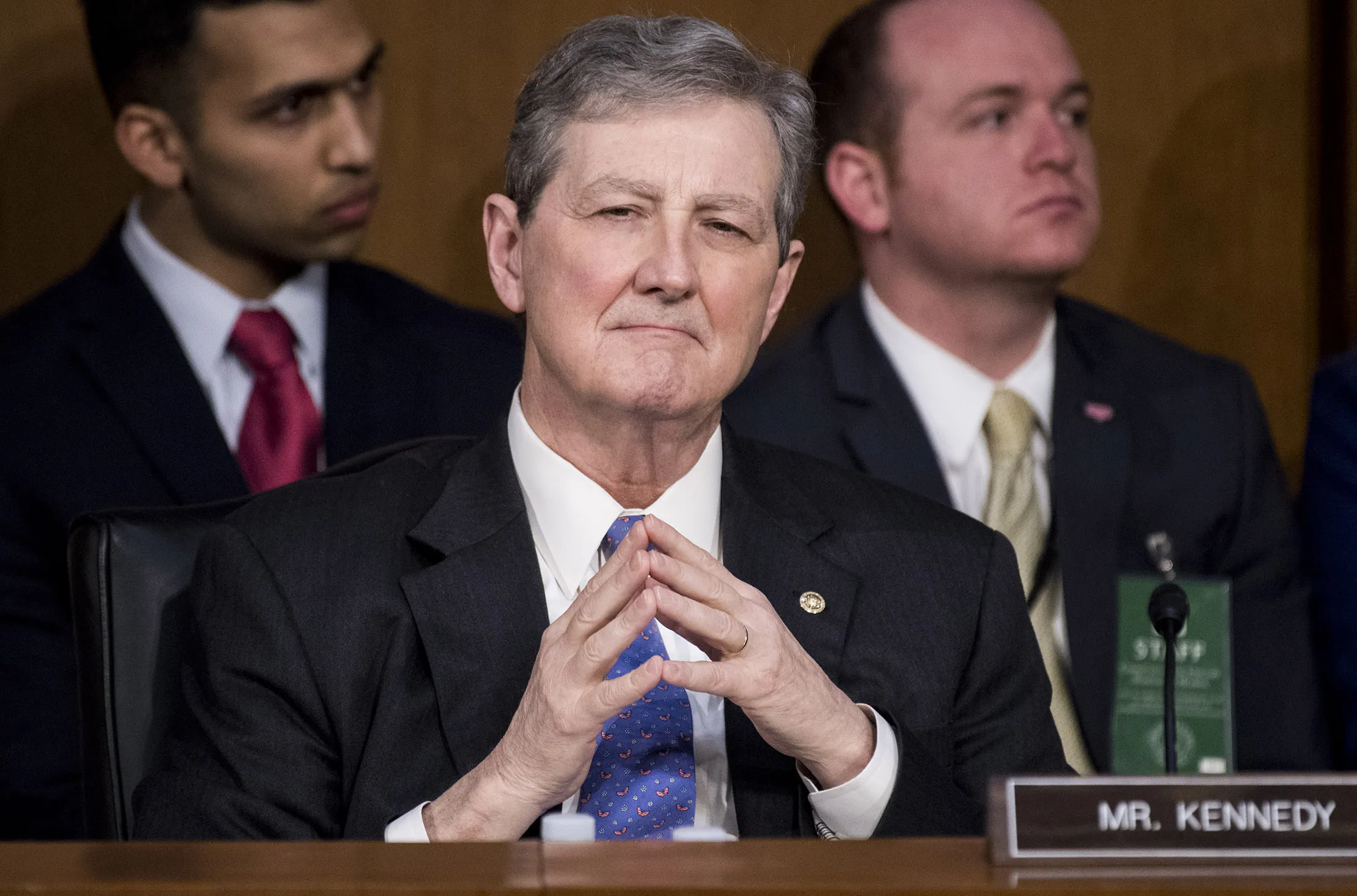
Observers of the broadcast noted a marked change in the studio atmosphere as the exchange unfolded. Kennedy’s response was widely described by supporters as controlled and methodical, while critics viewed it as emblematic of the broader ideological divide between the two senators. The moment quickly spread across platforms, with edited clips amplifying the most confrontational lines.
In the days following the broadcast, online commentators began claiming that Kennedy’s legal team was preparing—or had already filed—a defamation lawsuit seeking damages reportedly in the tens of millions of dollars against Warren and the network. As of this writing, no such filing has been independently verified in public court records, and neither senator has issued an official statement confirming litigation.

Legal analysts caution that defamation claims involving public officials face an exceptionally high bar. Under longstanding Supreme Court precedent, a plaintiff must demonstrate not only that statements were false, but that they were made with “actual malice”—knowledge of falsity or reckless disregard for the truth. Political debate, even when harsh or personal, is often afforded broad First Amendment protection.
That said, experts note that threats of litigation themselves can carry strategic weight, particularly in high-profile political disputes. Even absent a lawsuit, the discussion of potential legal action can shift public focus from the substance of the original argument to questions of reputation, accountability, and media responsibility.
Supporters of Kennedy have framed the reported legal move as a stand against what they view as unfair or damaging character attacks, arguing that public figures should not be immune from consequences when rhetoric crosses certain lines. Allies of Warren, by contrast, have described the controversy as an attempt to chill political criticism and distract from policy disagreements.
The network involved has not publicly addressed the claims, though media law specialists note that broadcasters typically rely on strong protections when airing live political debate, particularly when statements are clearly framed as opinion rather than assertions of fact.
More broadly, the episode reflects a growing pattern in American politics: confrontations that begin as televised debate quickly migrate into legal and reputational battlegrounds online. In an era where short clips often overshadow full context, moments of conflict can take on outsized significance, regardless of whether formal action follows.

Whether the reported lawsuit materializes or not, the exchange has already achieved one tangible outcome—it has energized partisan audiences and reinforced existing narratives on both sides. For Kennedy’s supporters, the moment is framed as a defense of legacy and principle. For critics, it underscores concerns about escalating rhetoric and the use of legal threats in political discourse.
Until verified filings or official statements emerge, the situation remains defined more by perception than by legal fact. What is clear, however, is that televised political debate continues to carry consequences well beyond the studio, shaping reputations, narratives, and public trust in real time.