Elise Stefanik, Trump Loyalist and House Republican Leader, Abruptly Ends Gubernatorial Bid and Announces Departure From Congress
ALBANY — Representative Elise Stefanik, the New York Republican who rose to national prominence as one of President Trump’s most ardent defenders in Congress, announced on Friday that she was suspending her campaign for governor and would not seek re-election to the House next year, a startling reversal that effectively ends her decade-long tenure in elected office.
In a statement posted on social media, Ms. Stefanik, 41, cited family considerations and political pragmatism as the driving forces behind her decision. “While spending precious time with my family this Christmas season, I have made the decision to suspend my campaign for governor and will not seek re-election to Congress,” she wrote. “I did not come to this decision lightly for our family.”
The announcement, coming just six weeks after she formally entered the 2026 race to challenge Gov. Kathy Hochul, a Democrat, caught many in Republican circles off guard. It also clears the path for Nassau County Executive Bruce Blakeman, another Trump ally, to become the presumptive Republican nominee in a state where the party has not won a statewide election in more than two decades.

Ms. Stefanik had positioned herself as the frontrunner in the Republican primary, raising more than $12 million and securing endorsements from numerous county committees. Recent polls, however, showed Ms. Hochul maintaining double-digit leads over both Ms. Stefanik and Mr. Blakeman in hypothetical general election matchups. A Siena College survey earlier this month found Ms. Hochul ahead by 19 points against Ms. Stefanik.
The entry of Mr. Blakeman into the race this month complicated matters, setting up a potentially divisive primary that party leaders feared would drain resources in a deep-blue state. Ms. Stefanik acknowledged as much in her statement, noting that while she believed she would have “overwhelmingly won this primary,” pursuing it would not be “an effective use of our time or your generous resources” in New York’s challenging political landscape.
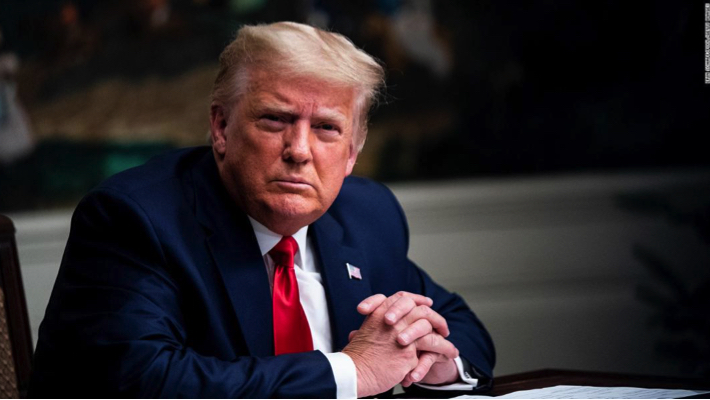
President Trump, who had nominated Ms. Stefanik to serve as ambassador to the United Nations earlier this year only to withdraw the nomination to preserve the Republicans’ narrow House majority, responded warmly to her announcement. “Elise is a tremendous talent, regardless of what she does,” he posted on Truth Social. “She will have GREAT success, and I am with her all the way!”
Yet the decision underscores a turbulent period for Ms. Stefanik, who has navigated the shifting sands of Republican politics with notable agility. Elected in 2014 as the youngest woman in Congress at the time, she initially presented herself as a moderate, Harvard-educated Republican with roots in the George W. Bush and Paul Ryan wings of the party. Her district, a sprawling rural expanse in upstate New York encompassing the Adirondacks and the North Country, rewarded her with comfortable re-election margins.
Her trajectory shifted markedly after Mr. Trump’s ascent. Ms. Stefanik emerged as a fierce partisan during his first impeachment trial and later gained widespread attention for her aggressive questioning of university presidents on antisemitism during campus protests over the Gaza war. She embraced the “ultra-MAGA” label, defended Mr. Trump’s false claims about the 2020 election, and referred to those imprisoned for the Jan. 6 Capitol attack as “hostages.”

These positions elevated her to the No. 3 position in House Republican leadership as conference chairwoman, but they also alienated moderates in her own party and made a statewide run in Democratic-leaning New York a steep climb. Allies said privately that frustrations had mounted in recent months, including public clashes with Speaker Mike Johnson and the withdrawn U.N. nomination.
Ms. Stefanik’s departure adds to a growing list of Republican retirements ahead of the 2026 midterms, raising questions about the party’s ability to maintain its slim House majority. Her solidly Republican district is expected to remain in G.O.P. hands, but her exit removes a prolific fund-raiser and a prominent voice from the conference.
On the same day, Senator Cynthia Lummis of Wyoming, another Republican, announced she would not seek re-election in 2026, citing exhaustion after a demanding session. “I do not have six more years in me,” Ms. Lummis said, describing herself as “a sprinter in a marathon.”
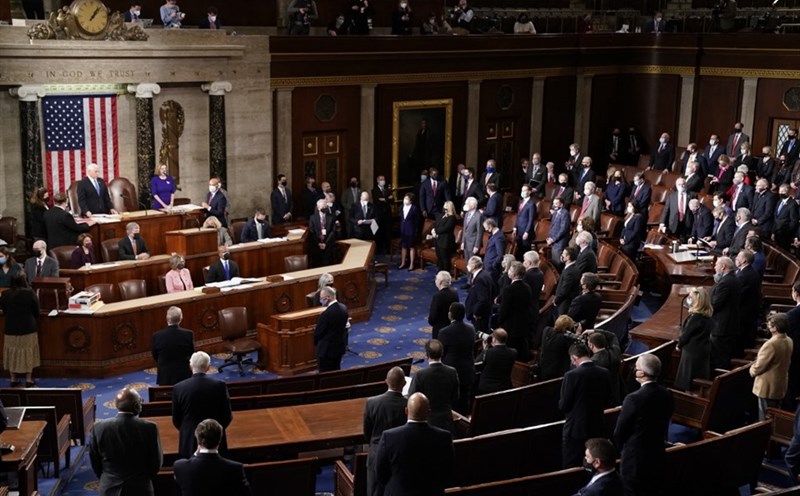
For Ms. Hochul’s campaign, the news was a welcome development. A spokesman declared that Ms. Stefanik had “finally acknowledged reality: If you run against Governor Kathy Hochul, you are going to lose.”
As Ms. Stefanik prepares to close this chapter, she expressed pride in her accomplishments and gratitude to supporters. “Throughout my time in Congress, my most important title is Mom,” she wrote, referring to her young son. What comes next remains unclear, but her abrupt exit marks the end of a rapid rise — and an equally swift pivot away from the public stage she once dominated.