What began as a quietly released trailer has quickly evolved into one of the most scrutinized celebrity-political media projects in recent memory. A forthcoming documentary centered on Melania Trump — reportedly acquired by Amazon for a staggering $40 million — has ignited widespread debate across media, entertainment, and political circles, raising fundamental questions about power, access, and the increasingly blurred line between celebrity storytelling and political influence.
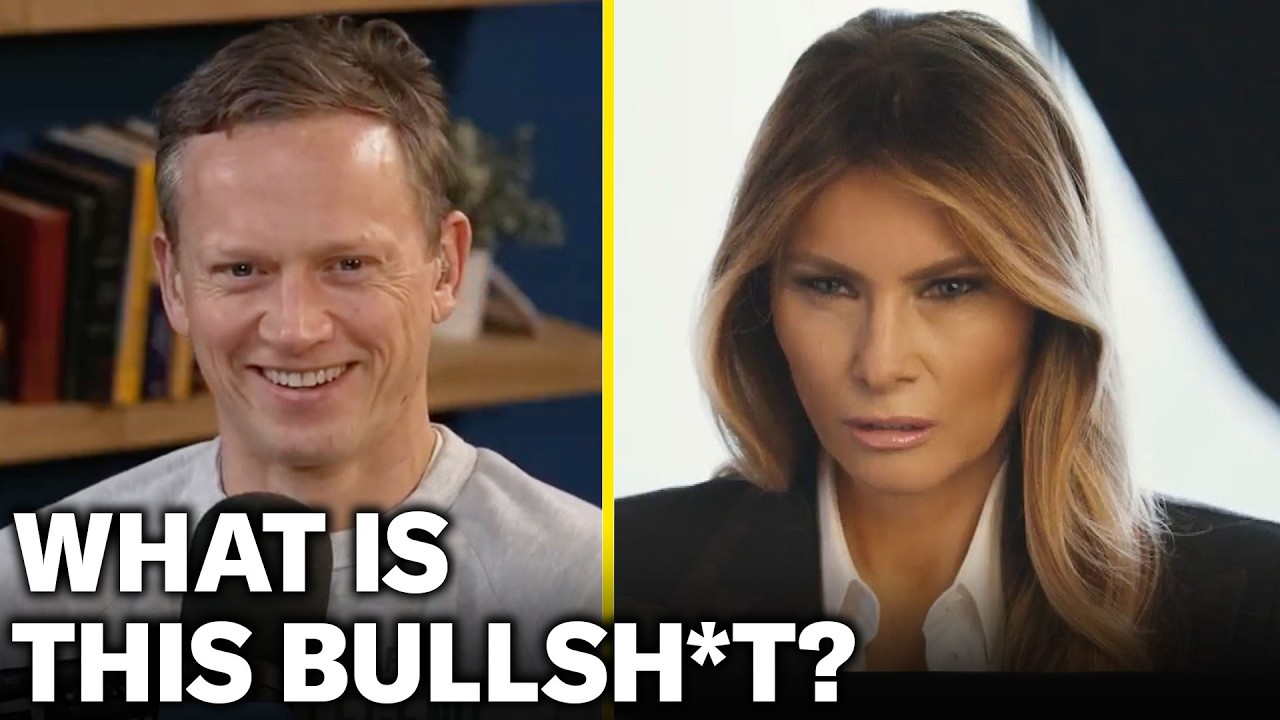
The documentary, titled simply Melania, focuses on a narrow but symbolically loaded window of time: the approximately 20 days leading up to the 2025 presidential inauguration. While such a period might seem uneventful on paper, it has long been a subject of public curiosity, particularly given Melania Trump’s historically reserved public presence. Early footage shows her moving through highly controlled environments — private residences, motorcades, quiet meetings — often speaking sparingly, framed through polished, almost cinematic imagery. The tone, according to early viewers, is restrained to the point of abstraction.
Yet it is not the content alone that has fueled the backlash. Industry analysts were quick to focus on the economics of the deal itself. At $40 million, the acquisition far exceeds the typical budget range for even the most ambitious nonfiction projects. By comparison, some of the most acclaimed documentaries in recent history were produced for a fraction of that cost. The discrepancy has prompted insiders to question what Amazon is truly paying for — exclusive access, political goodwill, or something less easily quantified.
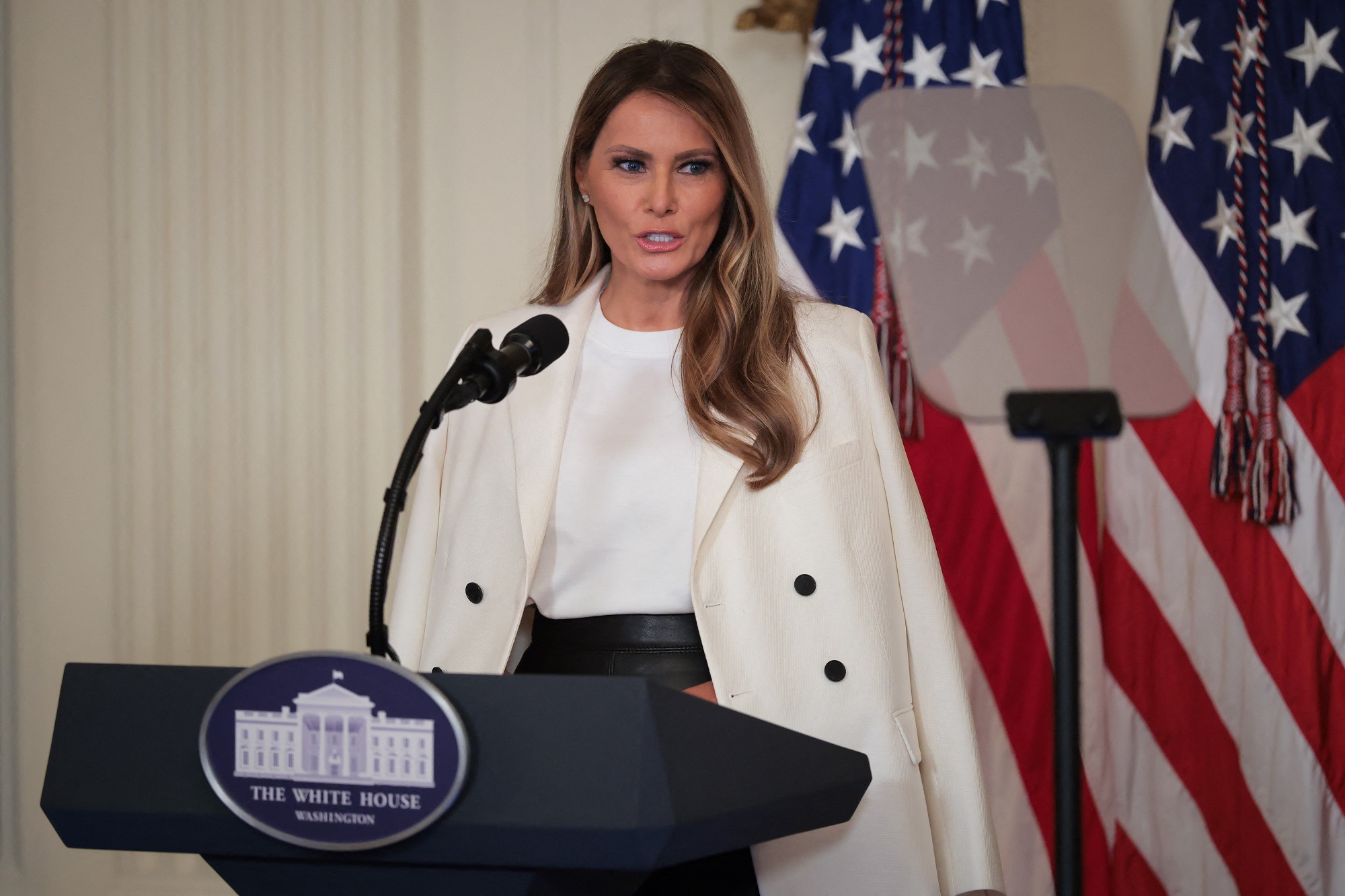
Adding to the scrutiny is the creative control reportedly granted to Melania Trump. Multiple reports indicate that she retained final cut authority, a rare and significant privilege in documentary filmmaking. Such control ensures that every frame, line of dialogue, and narrative beat is subject to approval by the film’s central figure. Critics argue that this undermines the premise of an independent documentary, transforming it instead into a curated personal portrait.
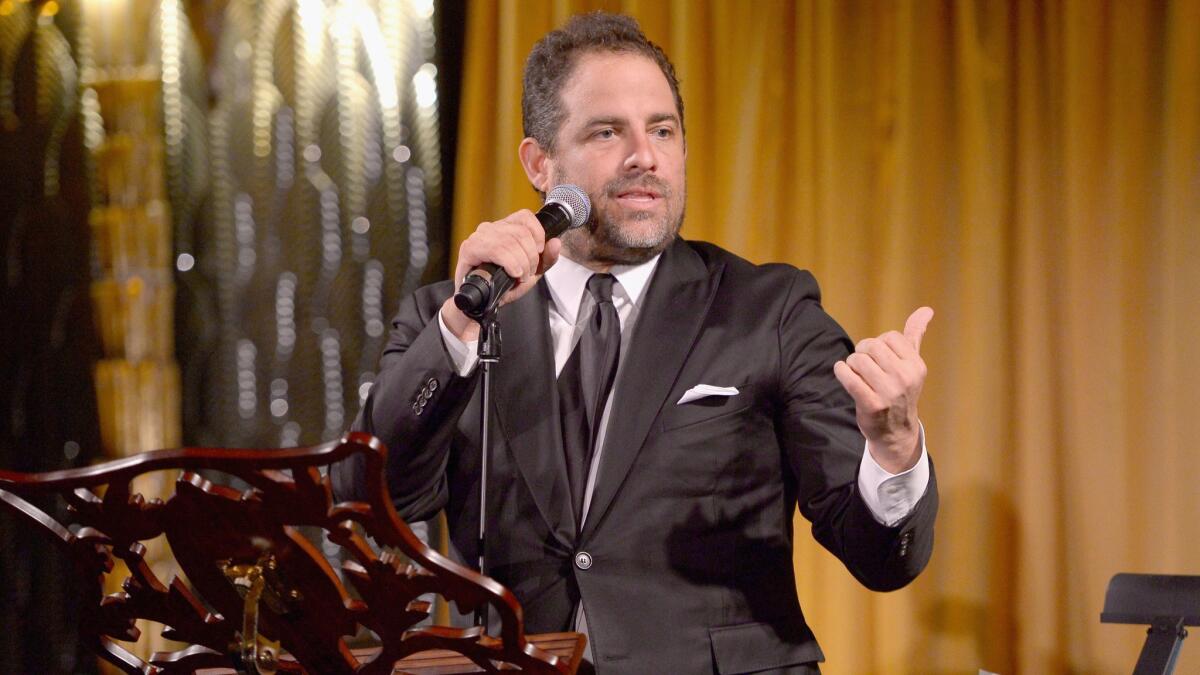
The choice of director has further complicated the film’s reception. Brett Ratner, once a prominent Hollywood filmmaker, has been largely absent from major studio projects following multiple allegations of sexual misconduct that emerged in 2017. Although Ratner has denied wrongdoing, the allegations led several studios to sever professional ties. His return as the director of Melania has sparked renewed debate about accountability in the entertainment industry and whether high-profile political connections can facilitate professional rehabilitation.
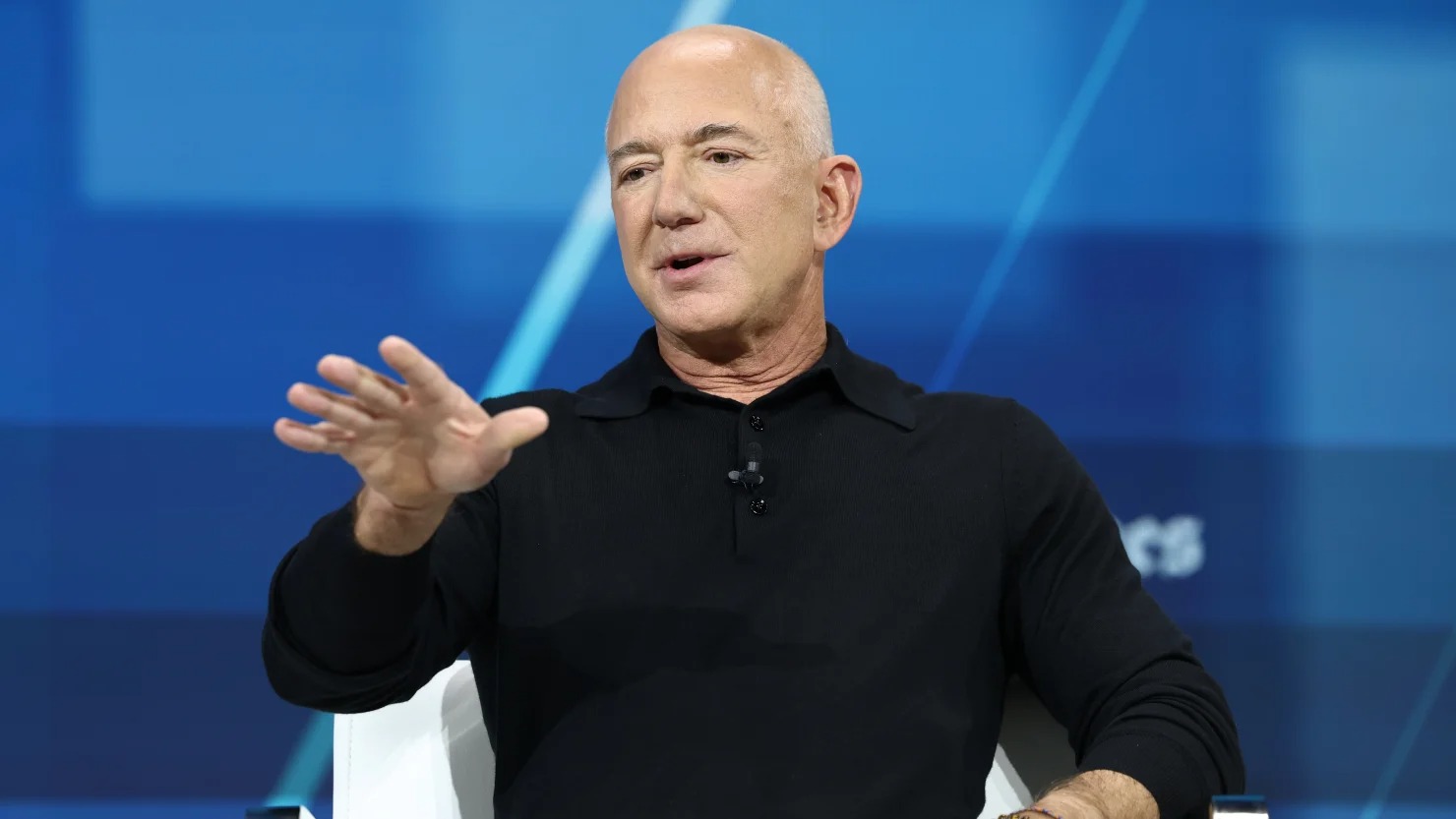
Observers also note the broader corporate context surrounding the project. Amazon, under founder Jeff Bezos, has faced ongoing questions about its media strategy, particularly following editorial decisions at The Washington Post, which Bezos also owns. While no direct connection has been substantiated, the timing of the deal has invited speculation about corporate caution in an increasingly polarized political environment.
Public reaction has been swift and polarized. Supporters describe the documentary as a long-overdue opportunity to hear from a figure who has often been reduced to symbolism rather than substance. Detractors, however, see it as an exercise in image management — a meticulously controlled narrative that avoids uncomfortable topics while benefiting from unprecedented financial backing.
What remains clear is that the documentary has tapped into broader anxieties about the role of streaming platforms in shaping political and cultural narratives. As traditional journalism struggles with shrinking budgets, the rise of lavishly funded, personality-driven documentaries raises questions about whose stories are amplified — and under what conditions.
As Melania approaches its theatrical release, the conversation surrounding it continues to evolve. Whether the film will ultimately be viewed as a legitimate character study, a political artifact, or a case study in modern media power remains uncertain. For now, it stands as a revealing example of how celebrity, politics, and corporate influence increasingly converge in the digital age — often in ways that provoke as many questions as they answer.