The trade confrontation between the United States and Canada has entered a far more serious phase than the familiar disputes over tariffs or quotas. What the White House initially viewed as a quick pressure tactic designed to force Ottawa into compliance is now widely seen as a strategic miscalculation—one that has left Washington increasingly exposed in a standoff with its closest ally. As Canada refused to back down, the Trump administration’s tariff-based intimidation strategy began to unravel, triggering wide-ranging economic, legal, and geopolitical consequences.

At the center of the crisis is the Trump administration’s effort to impose sweeping tariffs on Canadian goods under claims of “national security” and “economic emergency.” This approach immediately alarmed U.S. businesses and sent shockwaves through global policy circles. Canada is not a typical trade adversary. It is a G7 economy, a NATO ally, and a critical energy supplier to the northeastern United States. Treating Ottawa as an enemy rather than a partner raised serious concerns about the stability and predictability of Washington’s foreign economic policy.
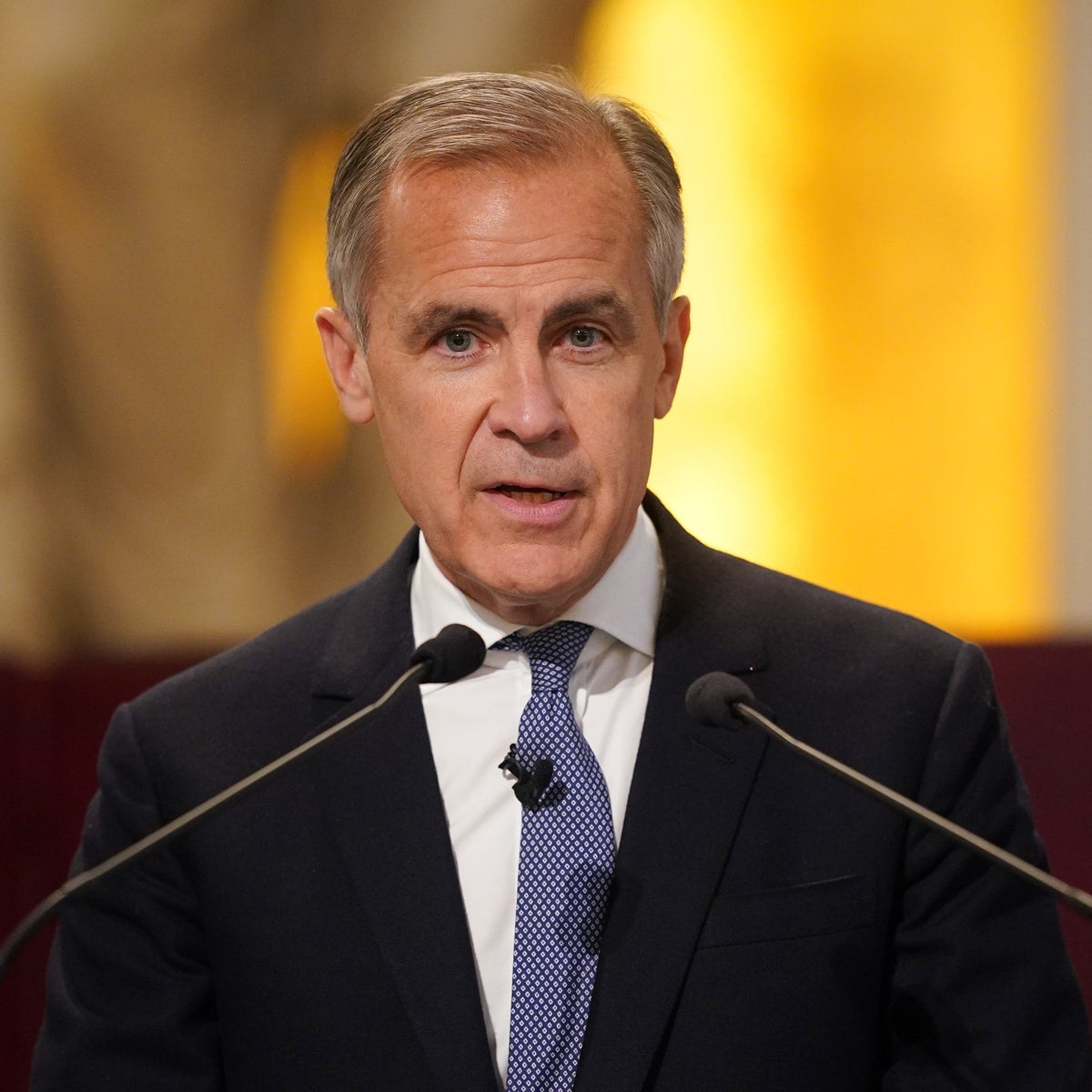
Unlike previous confrontations, Canada’s response this time was notably strategic and restrained. Rather than engaging in public media battles, Ottawa quietly prepared targeted countermeasures aimed at politically sensitive U.S. industries and regions. Sources indicate that Canadian leadership—supported by influential figures such as M.a.r.k C.a.r.n.e.y—leveraged deep knowledge of global financial systems and U.S. political pressure points. The strategy focused on applying maximum leverage with minimal noise, avoiding escalation while steadily increasing costs for Washington.
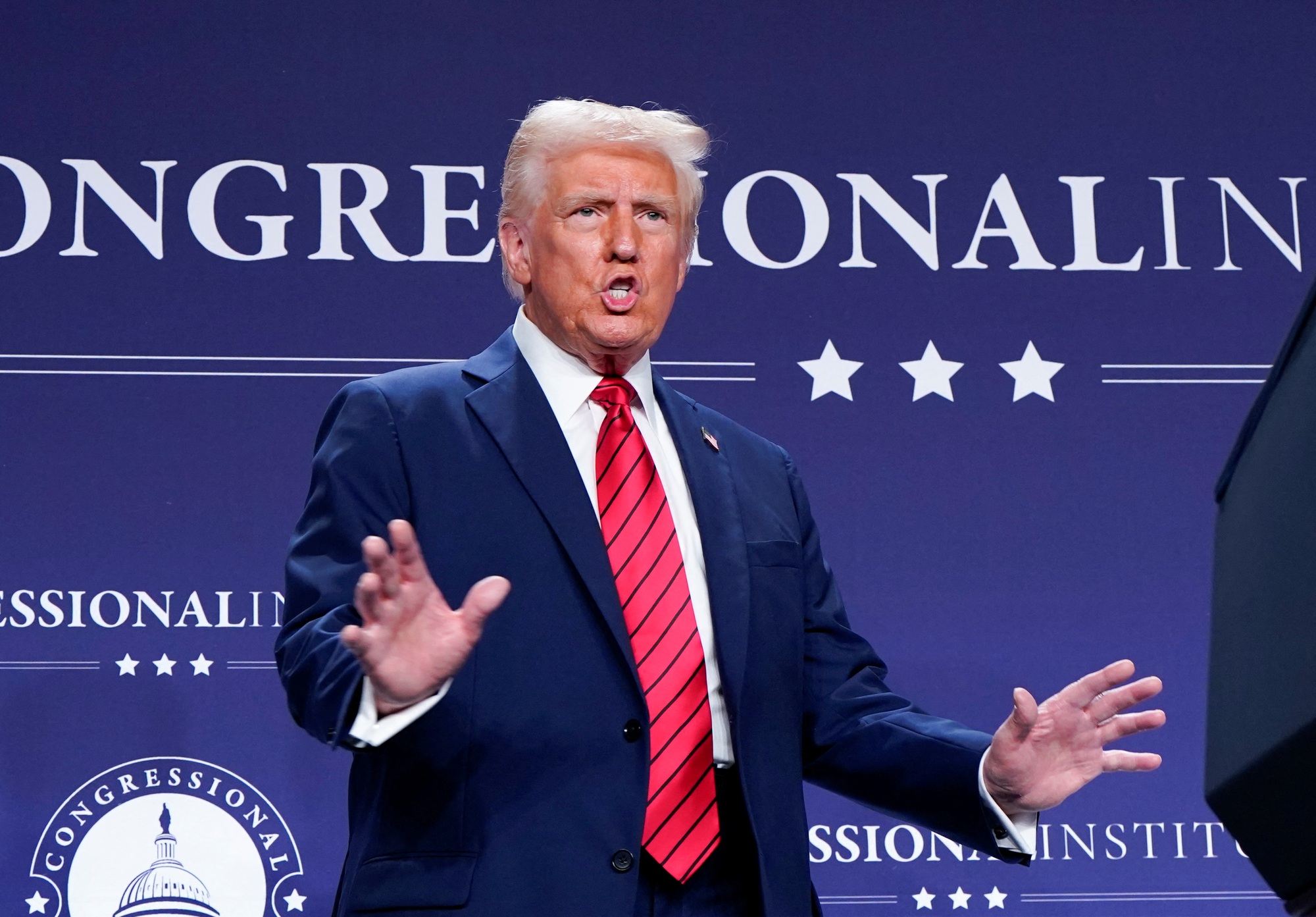
The economic fallout quickly became visible. American businesses faced prolonged uncertainty, investment plans stalled, and cross-border supply chains came under strain. Key sectors—including automotive manufacturing, construction, and energy—were hit particularly hard due to their dependence on integrated U.S.–Canada trade flows. At the same time, political pressure began building inside the United States, especially from border states and industrial regions concerned that a prolonged trade war with Canada would translate directly into job losses, higher consumer prices, and rising inflation.
The crisis soon expanded beyond economics into the legal arena. Major U.S. business organizations filed lawsuits challenging the administration’s use of emergency powers to justify tariffs on Canada, arguing that the move constituted an abuse of executive authority and violated constitutional limits. This marked a rare and significant rupture between the Republican administration and the business community, traditionally one of its strongest allies. The legal challenge also reignited a broader debate over presidential power and whether trade policy can be reshaped unilaterally without congressional oversight.
Politically, the situation placed President Trump in a difficult bind. Escalation risked deepening economic instability and damaging U.S. credibility with allies at a time of growing global uncertainty. Retreat, however, would mean acknowledging that the threat-based strategy had failed against a neighbor unwilling to be coerced. With American voters increasingly sensitive to inflation, employment, and economic stability, both paths carried substantial political risk.

Ultimately, the U.S.–Canada standoff extends far beyond a routine trade dispute. It raises fundamental questions about how the United States treats its allies, the role of law in economic governance, and the long-term cost of foreign policy driven by confrontation rather than cooperation. Canada’s refusal to “play by the old rules” has forced Washington to confront an uncomfortable reality: power in the modern global system is no longer exercised effectively through unilateral threats alone.