Trump’s Emergency Gambit Tests the Limits of Presidential Power
WASHINGTON — What began as a doctrinal shift in American foreign policy has hardened into something far more consequential: a direct confrontation between the presidency and the constitutional system designed to restrain it. President Trump’s decision to invoke sweeping emergency authorities—asserting the power to override courts and bypass Congress—has transformed an already contentious term into a stress test for American governance itself.
The administration’s newly articulated national security posture, which declares an end to the United States acting as guarantor of the global order, was framed as strategic realism. Allies were told to assume primary responsibility for their regions. The priority in Ukraine, officials said, was to end the war quickly and “reestablish strategic stability” with Moscow. In isolation, these positions might have been read as a recalibration. In context, they landed as part of a broader assertion: that the president may act unilaterally when he deems the stakes sufficiently high.
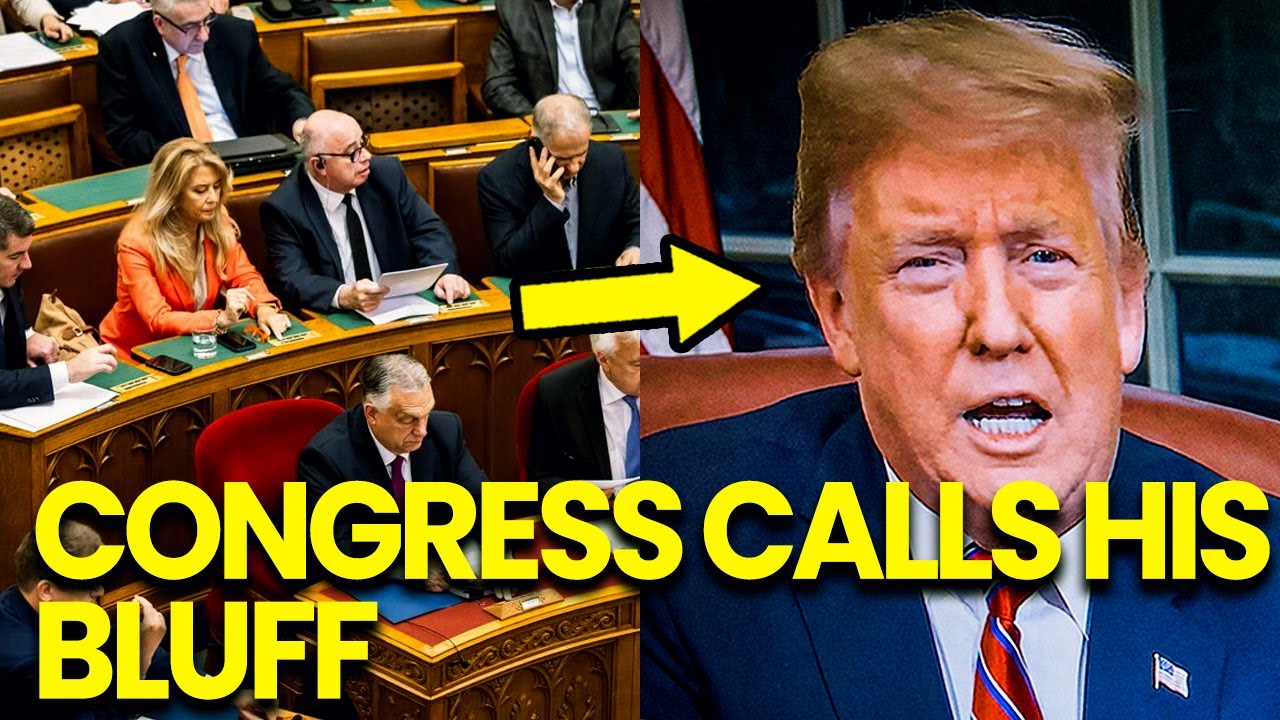
That assertion is now the center of a widening political and legal backlash. After months of court defeats—blocking tariffs, deployments, deportations and spending cuts—the president declared a national emergency under statutes meant to address extraordinary threats. The legal theory, critics say, stretches those laws beyond recognition, effectively claiming that a president can create an emergency by proclamation and then govern by decree.
Congress responded with unusual speed and, more strikingly, bipartisanship. The House moved to force votes on impeachment resolutions that had languished. The Senate scheduled procedural votes to rebuke or terminate the emergency declarations. Even Republicans who had defended the president through scandals and impeachments voiced alarm, warning that the line between robust executive action and constitutional rupture had been crossed.
The statutes at issue were not designed for this moment. The National Emergencies Act of 1976 was intended to rein in presidents after decades of unchecked declarations; the International Emergency Economic Powers Act of 1977 was crafted to address foreign threats, not domestic policy disputes. Over time, both have been expanded through precedent and practice. By early 2025, dozens of emergencies remained active. Still, legal scholars say the current use—particularly to justify tariffs, domestic deployments and the defiance of court orders—represents a qualitative leap.
Courts have begun to say as much. Judges have fast-tracked challenges, issuing injunctions and signaling skepticism that emergency powers can override judicial review. At the Supreme Court, justices across the ideological spectrum have questioned whether Congress ever granted authority of this breadth, invoking the “major questions doctrine,” which requires clear legislative authorization for actions of vast economic and political significance. A federal appellate court has already ruled that the emergency tariff regime exceeded congressional intent.
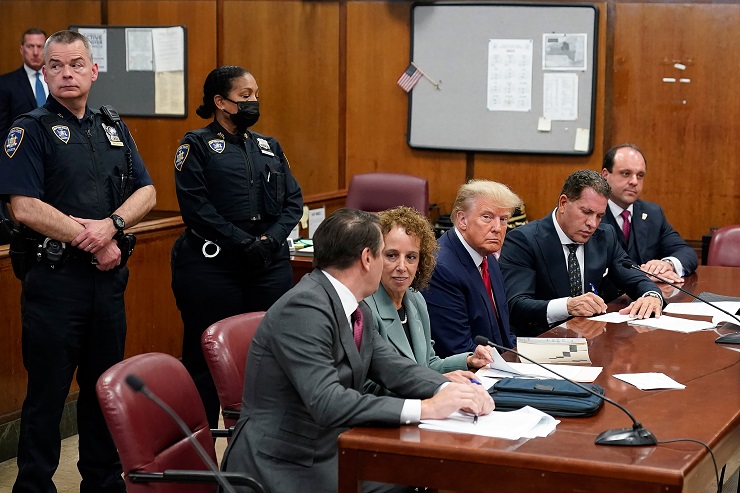
The administration insists it is acting within the law, pointing to national security imperatives and the accumulation of unresolved crises. But critics counter that the emergencies cited—trade deficits, immigration patterns, policy disagreements—do not approach the existential threats historically associated with extraordinary powers. Comparisons to Abraham Lincoln’s Civil War measures, scholars argue, obscure more than they illuminate. Lincoln faced secession and war; today’s disputes, however serious, are being adjudicated by functioning courts and a sitting Congress.
The political consequences are mounting. Impeachment articles that once appeared symbolic now carry greater weight as evidence of a pattern. Senate votes scheduled to constrain the emergencies will force lawmakers to choose between party loyalty and constitutional prerogatives. For Republicans, the calculus is particularly fraught: defending the president risks being seen as complicity in executive overreach; breaking with him risks backlash from a base conditioned to equate dissent with betrayal.
Internationally, the reverberations are equally sharp. Allies are watching whether American commitments remain durable when domestic institutions clash. European leaders’ decisions to safeguard assets beyond Washington’s reach reflect doubts about predictability. Adversaries, meanwhile, are studying whether internal division limits American resolve or accelerates unilateral action.
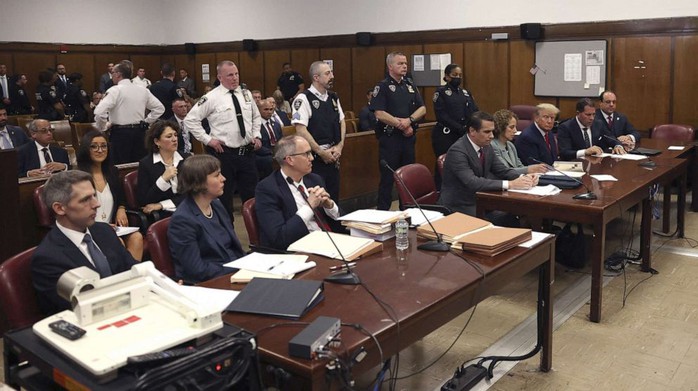
None of the possible outcomes is without risk. A successful impeachment and conviction would mark the first removal of a president and bring its own instability. A retreat from the emergency declarations could restore equilibrium but would represent a significant defeat. Continued escalation—defiance of courts, broader claims of authority—would deepen the crisis and test the enforcement mechanisms of the judiciary.
The founders anticipated such moments. They built a system that assumes ambition will check ambition, that Congress and the courts will assert their roles when the executive overreaches. That system now depends less on doctrine than on will: whether legislators will use impeachment, appropriations and oversight; whether judges will enforce orders; whether compliance will follow.
For now, the country is suspended in a familiar but perilous space—between law and politics, precedent and improvisation. The president’s emergency gambit may yet be curtailed. Or it may redefine the boundaries of power for those who follow. Either way, the next weeks will determine whether America’s constitutional guardrails hold under pressure—or bend in ways that are difficult to reverse.