What began as a familiar legal threat from Donald Trump has escalated into a rare and volatile confrontation between an American political figure and Britain’s media establishment, drawing in politicians, journalists and legal experts on both sides of the Atlantic.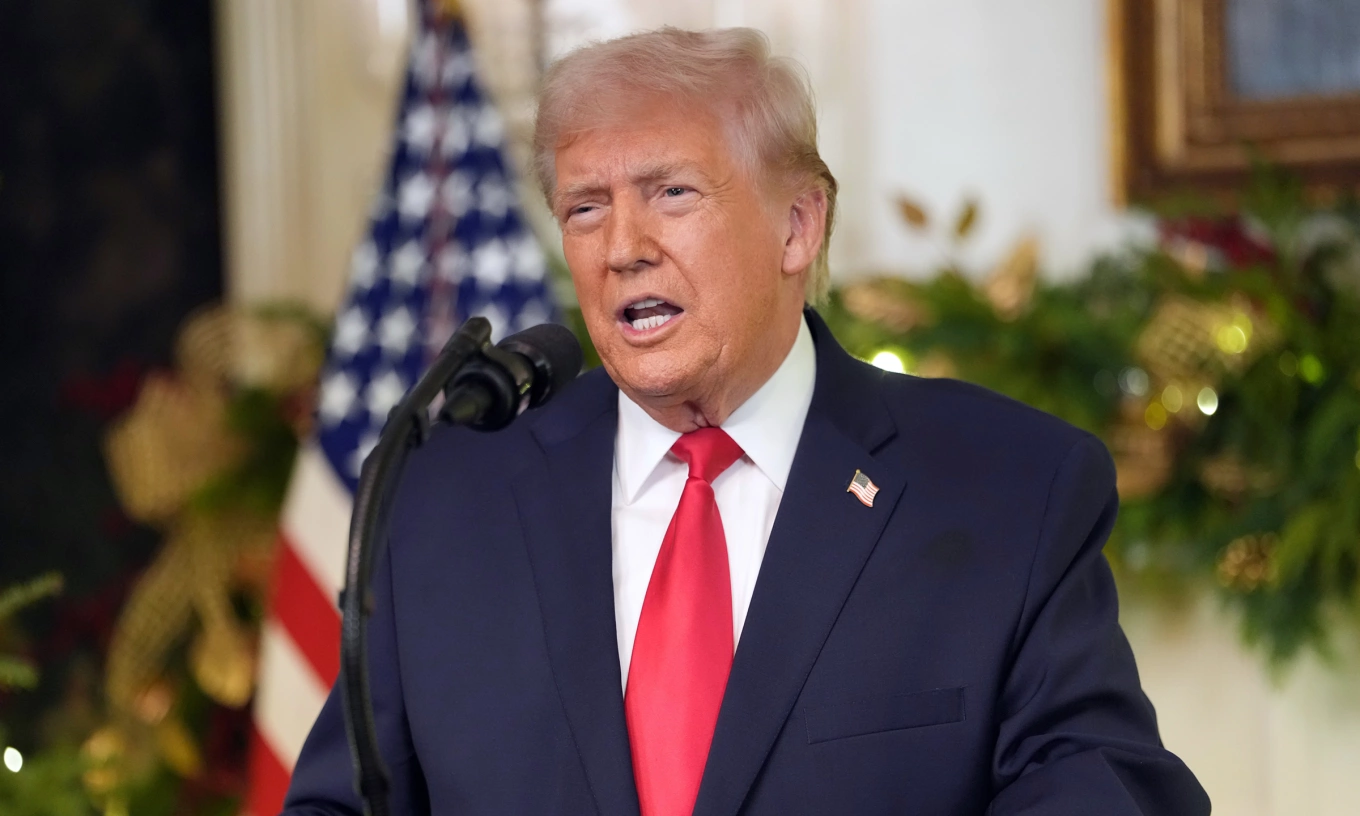
In recent days, Mr. Trump has publicly accused BBC of broadcasting what he described as “fake words” and deliberately misleading coverage, floating the prospect of a lawsuit reportedly valued at as much as $10 billion. The claim, extraordinary both in scale and scope, immediately reverberated through global media, setting off a wave of rebuttals from British commentators who framed the move as an attack on press independence rather than a conventional legal dispute.
The response in Britain was swift and unusually unified. Senior journalists, former editors and media law specialists appeared across television and radio, questioning not only the legal plausibility of Mr. Trump’s threat but also its broader implications. Several lawmakers weighed in as well, defending the BBC’s editorial standards and warning against what they characterized as an attempt to intimidate public-interest journalism through sheer financial spectacle.
“This is not how media accountability works in the United Kingdom,” one former BBC executive said during a televised panel discussion. “You don’t silence reporting by announcing an astronomical number and daring the press to blink.”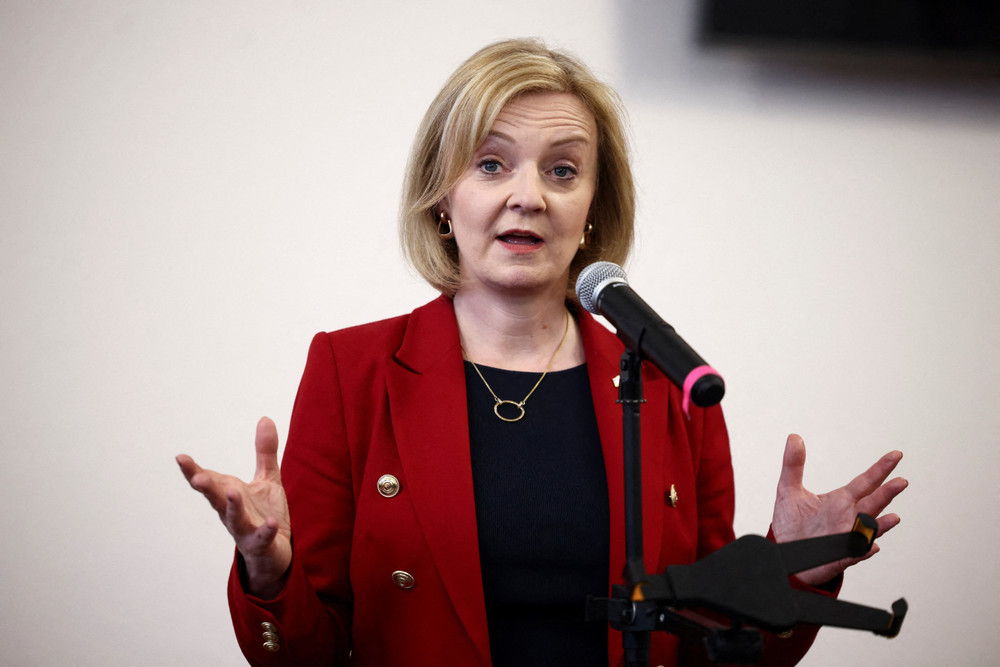
Clips from those broadcasts quickly spread online, gaining traction among audiences who viewed the episode as a clash of political cultures. In Britain, the emphasis was on institutional norms and legal restraint. In the United States, particularly among Mr. Trump’s supporters, the rhetoric was more combative, framing the dispute as proof that foreign media organizations were hostile to him and his movement.
At the center of the controversy is a report that Mr. Trump claims misrepresented his remarks. British journalists countered that the segment relied on publicly available statements and standard editorial interpretation. Media lawyers interviewed by British outlets noted that defamation standards in the United Kingdom differ significantly from those in the United States, and that pursuing a lawsuit of the magnitude suggested would face formidable procedural and evidentiary hurdles.
Still, the dispute has taken on a life beyond the legal specifics. Analysts say it reflects a broader struggle over power, credibility and audience trust in an era when political figures increasingly confront media organizations as adversaries rather than intermediaries.
“This isn’t just about one broadcast,” said a professor of media law at a London university. “It’s about whether political pressure — amplified by social media and global attention — can be used to shape or chill journalistic scrutiny.”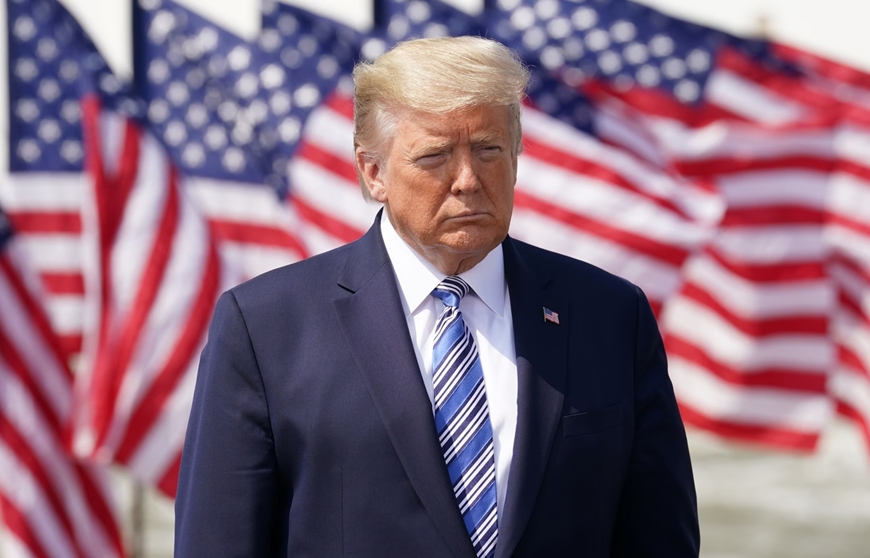
The BBC, for its part, has responded cautiously. In a brief statement, the broadcaster said it stood by its reporting and emphasized its commitment to accuracy and editorial independence. It declined to engage further with Mr. Trump’s accusations, a restraint that some observers interpreted as strategic.
In Washington, reactions were mixed. Some Republicans dismissed the controversy as a distraction, while others echoed Mr. Trump’s criticism of international media. Democrats largely framed the episode as consistent with what they see as his long-standing hostility toward critical press coverage.
What has surprised many observers is the speed with which the dispute escalated into a transatlantic spectacle. Within hours, hashtags related to the confrontation were trending, and commentary videos dissecting each statement amassed millions of views. The framing online often went beyond the facts of the case, casting the moment as a symbolic showdown between populist politics and institutional media.
For now, no formal lawsuit has been filed, and it remains unclear whether Mr. Trump intends to pursue legal action or leverage the threat for political effect. But the episode has already underscored how quickly national media disputes can become global flashpoints.
As tensions continue to simmer, one thing is evident: the confrontation has exposed fault lines not only between Mr. Trump and the British press, but between differing visions of how power, accountability and journalism intersect on the world stage. Whether this clash fades or deepens may depend less on the courts than on how long public attention — and political advantage — can be sustained.