When Donald Trump announced sweeping tariffs on Canadian goods, the message from Washington was blunt: pressure Canada, extract concessions, and prove that America could dictate terms even to its closest ally. Among those measures was a targeted tariff on Canadian energy — framed as a “lighter” hit compared to other imports, but still designed to send a signal. Publicly, the White House insisted the United States could absorb the impact. Privately, however, a far more fragile reality was beginning to surface.
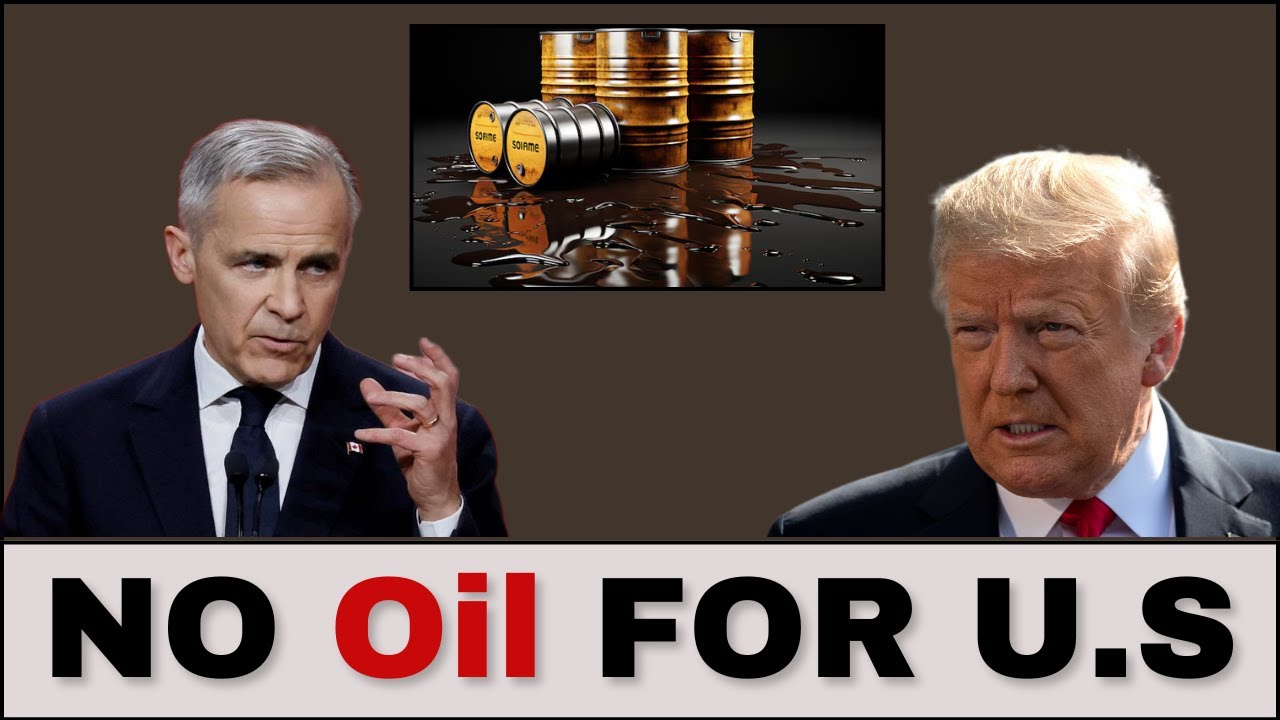
Canada is not simply another energy exporter to the United States. It is the backbone of American energy stability. For decades, U.S. refineries — especially across the Midwest and Great Lakes regions — have been engineered specifically to process Canadian crude. This is not a symbolic relationship or a matter of convenience. It is a structural dependence built into pipelines, refinery configurations, supply chains, and pricing mechanisms that keep fuel affordable for American consumers.
The tariff strategy rested on a dangerous assumption: that energy, unlike manufactured goods, could be easily replaced. Trump repeatedly argued that the U.S. had more than enough oil and gas of its own, downplaying the importance of Canadian supply. But energy experts and industry insiders quickly pointed out that domestic production does not automatically translate into refinery compatibility. American refineries cannot simply switch suppliers overnight without massive technical disruptions, cost overruns, and long-term infrastructure changes.
As the tariffs took effect, concern spread quietly through energy markets. Analysts began warning that even modest interference with Canadian oil flows could ripple through gasoline prices, diesel costs, and jet fuel availability. Midwest refineries, in particular, faced higher operating costs that would inevitably be passed on to consumers. Inflationary pressure — the very issue Trump claimed tariffs would fix — suddenly became harder to contain.
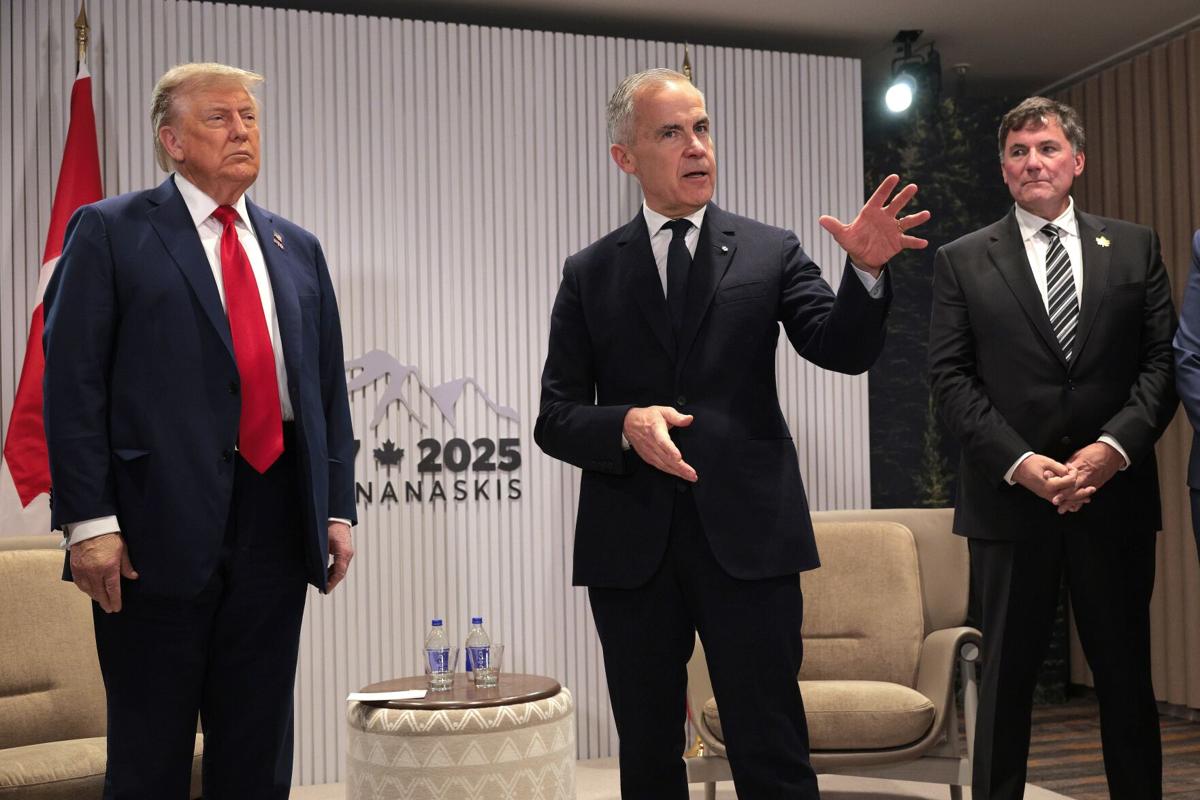
Ottawa’s response was notably restrained. There were no dramatic speeches or retaliatory announcements designed for headlines. Instead, Canadian officials emphasized that all countermeasures remained “on the table,” carefully signaling leverage without escalation. That calm tone carried weight. In geopolitical terms, confidence without theatrics often signals that a country understands exactly where its advantage lies.
Canadian leaders stressed that this was not a trade war Canada wanted. The relationship between the two countries runs deep, economically and culturally. But defense, they made clear, does not require aggression. It requires clarity. And the clarity was simple: any serious disruption to Canadian oil exports — even partial — would create immediate strain inside the U.S. energy system. Refineries would slow. Prices would rise. Markets would react before politicians could spin the narrative.
That realization began to shift the balance of the conflict. Trump’s tariff plan had been sold domestically as a show of strength, yet it exposed a vulnerability Washington had long preferred to ignore. The U.S. could threaten tariffs, but Canada controlled a flow of energy that could not be easily rerouted or replaced. Oil, not rhetoric, became the decisive factor.
What made the situation especially damaging for Washington was that Canada did not need to act aggressively to make its point. The mere possibility of energy retaliation was enough to unsettle investors and energy analysts. Markets respond to risk, not speeches. Once the risk became visible, confidence eroded. The tariff strategy, intended to project dominance, instead highlighted interdependence — and dependence favors the supplier.
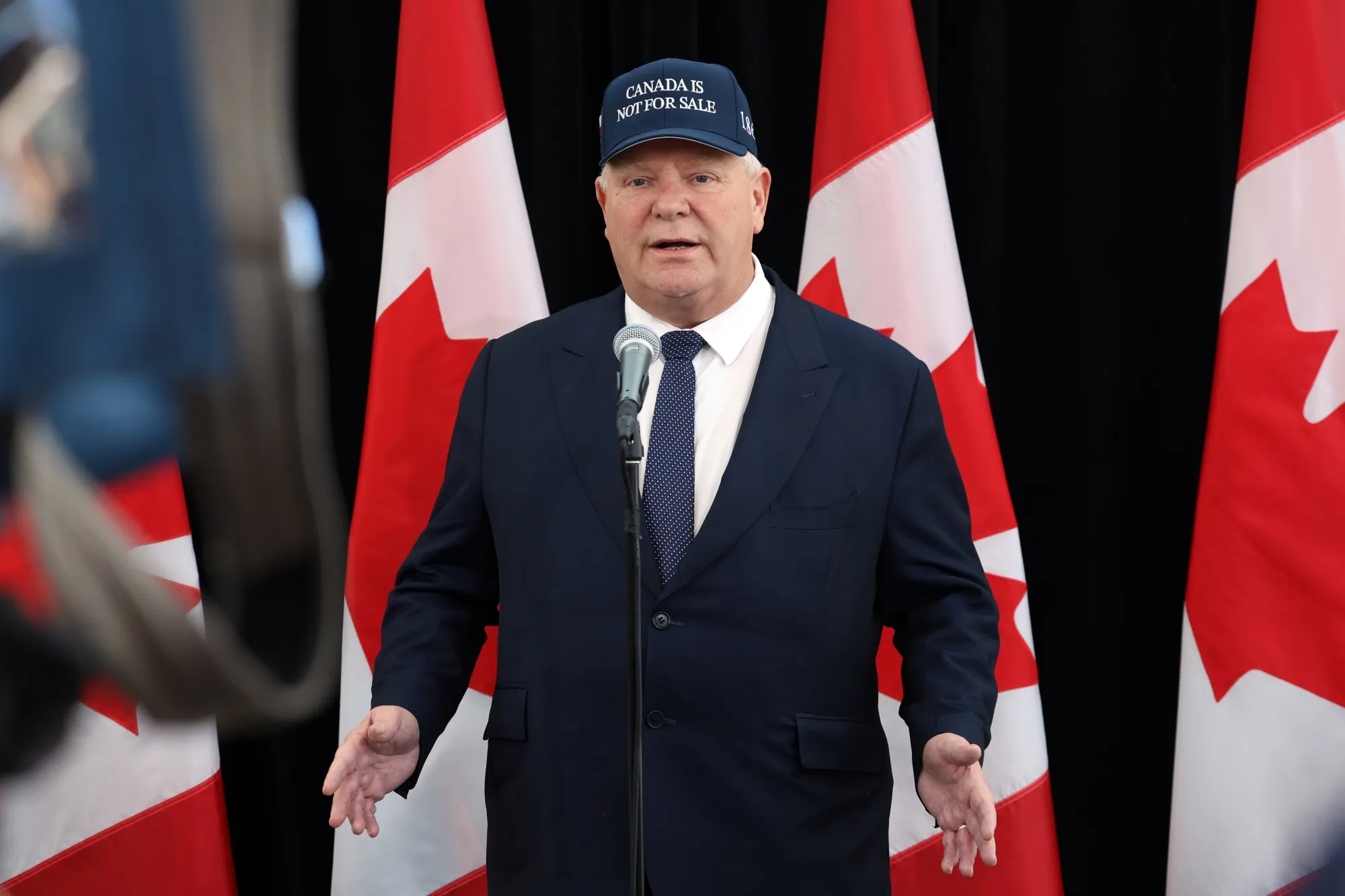
In the end, the episode revealed a deeper truth about modern economic power. Tariffs can disrupt trade, but they cannot rewrite infrastructure overnight. Energy systems are built over generations, not election cycles. Trump sought to weaken Canada through pressure, yet the outcome underscored how essential Canada remains to America’s economic stability.
Rather than crushing its northern neighbor, the tariff move exposed the limits of unilateral economic force. Canada did not escalate. It did not need to. By standing on structural reality instead of political theater, Ottawa reminded Washington — and the global market — that control over energy flows carries far more weight than any tariff announcement.