💥 SHOCKING CAPITOL HILL SHOWDOWN: DONALD TRUMP BLINDSIDED AS CONGRESS TORPEDOES HIS HEALTHCARE PUSH — GOP CRACKS, INSIDERS PANIC, AND A QUIET REBELLION IGNITES BEHIND CLOSED DOORS ⚡
WASHINGTON — A rare bipartisan revolt in the House of Representatives dealt a sharp blow this week to President Donald Trump and Speaker Mike Johnson, as a small bloc of Republicans joined Democrats to force a vote on extending enhanced health insurance subsidies under the Affordable Care Act, exposing deep fractures within the Republican majority over health care and political survival.

At issue are expanded tax credits that have helped millions of Americans afford coverage through the Affordable Care Act, commonly known as Obamacare. Those subsidies are set to expire at the end of the year, a change that analysts say would trigger steep premium increases — in some cases doubling or tripling monthly costs for families who buy insurance on the individual market.
On Capitol Hill, the procedural maneuver itself was striking. Discharge petitions — the tool lawmakers used to force a vote over leadership objections — almost never succeed. Yet four Republicans from highly competitive districts signed on, pushing the petition to the required 218 signatures. That threshold virtually guarantees the measure will reach the House floor early next year, even though Republican leaders remain firmly opposed.
“This is a significant rebuke of leadership,” said Manu Raju, CNN’s chief congressional correspondent, reporting from the Capitol. “It reflects growing pressure from rank-and-file members who are staring down tough reelection fights and hearing from constituents terrified about rising health care costs.”
The Republicans who broke ranks include Brian Fitzpatrick and Mike Lawler, along with freshmen Ryan McKenzie and Rob Bresnahan. All represent districts that routinely swing between parties — the very districts that delivered the GOP its narrow House majority in 2024.
Mr. Lawler was unusually blunt about the decision. “It’s a failure of leadership,” he said, expressing anger that the House had not been allowed to vote on an issue affecting millions of Americans. “What’s wrong with having a vote?”
Speaker Johnson has argued that extending the subsidies would entrench a law Republicans have long promised to repeal. Instead, he has advanced a narrower health care package that does not address the looming expiration. For conservatives, the subsidies represent an expensive federal intervention. For moderates, particularly those in swing districts, letting them lapse risks political disaster.
Democrats, for their part, framed the moment as evidence that Republicans are incapable of governing on health care. On the House floor, Democratic lawmakers accused the majority of choosing ideology over affordability, warning that families could face premium increases of up to $1,000 a month. With open enrollment deadlines already passed, they said, many households have no way to adjust before costs spike.
The episode also underscored a broader problem for Mr. Trump, who has once again made health care a central theme of his political messaging. For nearly a decade, he has promised to repeal and replace Obamacare with something “better,” yet no comprehensive alternative has ever materialized. This week’s rebellion suggested that even members of his own party are unwilling to risk the consequences of dismantling the current system without a clear replacement.
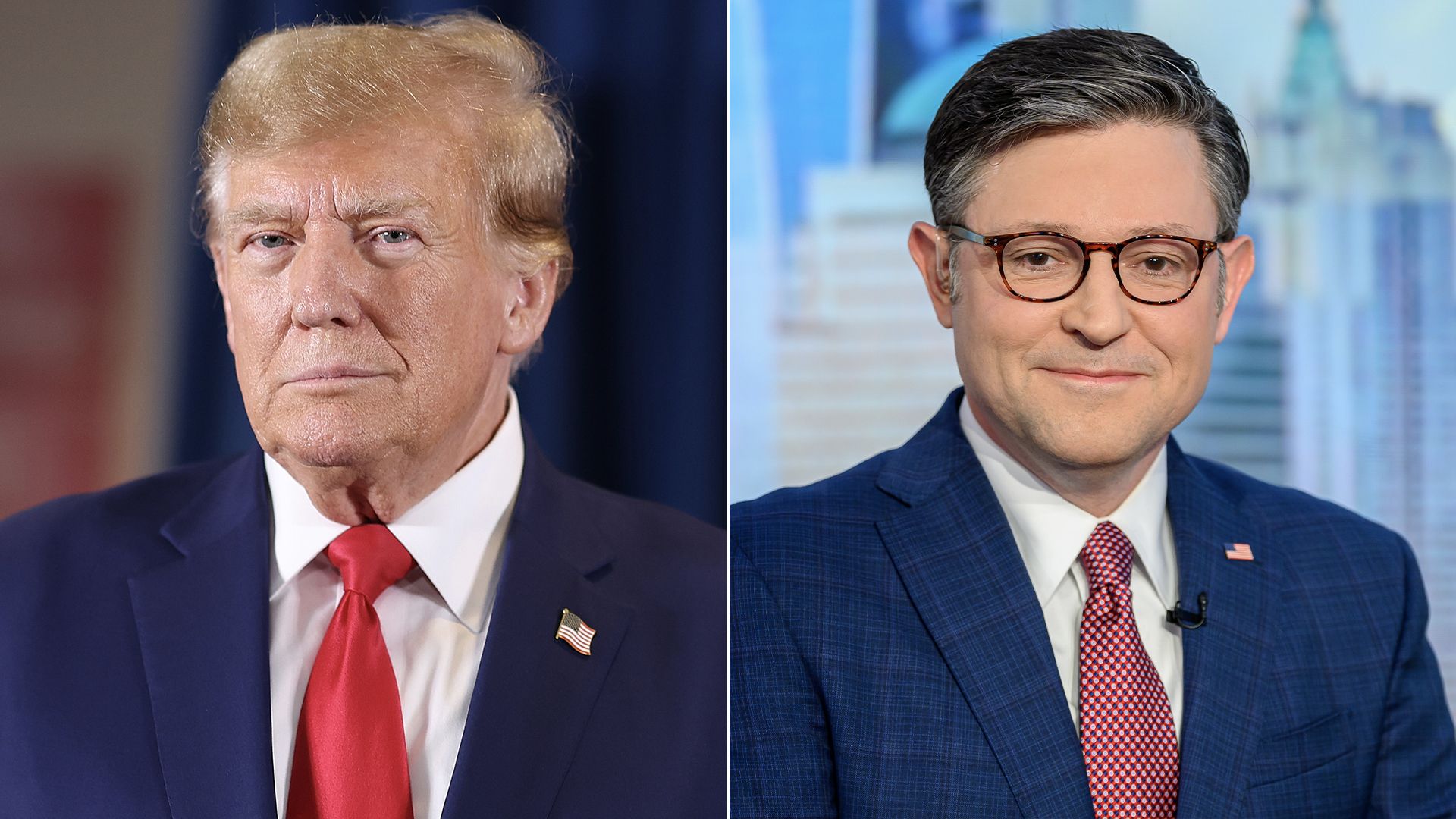
In the Senate, the path forward remains uncertain. Republicans there have previously blocked Democratic efforts to extend the subsidies, and any bill approved by the House would still need to clear that hurdle. But the House vote alone carries symbolic weight, signaling that Republican leaders may be losing their grip on an issue that has repeatedly reshaped American politics.
For now, Democrats are not proposing sweeping reforms. Instead, they are positioning themselves as defenders of the status quo — imperfect but preferable to sudden disruption. That message, party strategists argue, resonated with voters in recent elections, particularly amid persistent concerns about inflation and affordability.
The health care standoff comes at a precarious moment for Speaker Johnson, whose slim majority leaves little room for defections. It also highlights the tension between national party orthodoxy and local political realities, as lawmakers from competitive districts calculate that survival may depend on defying leadership.
Whether the Senate ultimately follows suit remains to be seen. But the House revolt has already sent a clear signal: on health care, ideological unity is giving way to electoral fear, and the debate over Obamacare — far from settled — continues to haunt the Republican Party.