Is Ilhan Omar Running Out of Options? Immigration Fraud Claims Put Minnesota Under the Microscope

A growing wave of immigration fraud investigations is pulling Minnesota into the national spotlight, raising uncomfortable questions for political leaders and immigrant advocacy groups alike. At the center of the debate are allegations of visa abuse, marriage fraud, and misuse of humanitarian programs—issues now colliding with high-profile politics.
The controversy intensified after federal officials confirmed investigations into widespread fraud in Minneapolis and St. Paul. USCIS officers reported encountering marriage fraud, visa overstays, forged documents, and abuse of H-1B and F-1 visa programs, with red flags appearing in more than a quarter of the cases reviewed.
These revelations arrive as the administration considers ending Temporary Protected Status for Somali nationals. While estimates suggest only about 700 Somalis nationwide currently hold TPS, Minnesota’s Somali population—roughly 84,000 strong—is overwhelmingly made up of U.S. citizens or naturalized residents, complicating enforcement efforts.
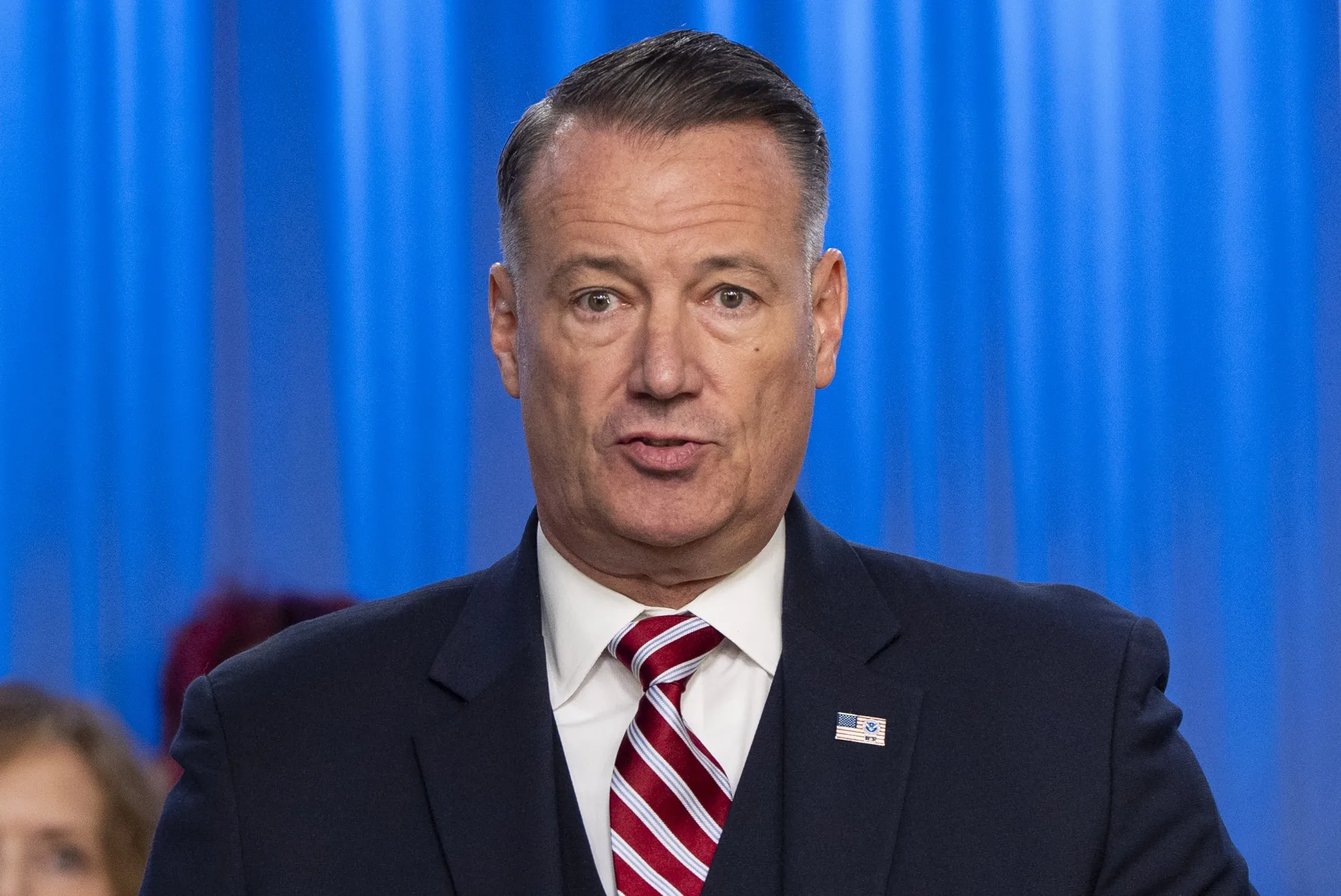
Former ICE and DHS officials stress that enforcement is legally driven, not political or racial. If TPS is lifted, individuals who entered the country under false pretenses could face removal. Officials emphasized that fraud cases are handled individually, through criminal and administrative review, with no exemptions for status or influence known.

That stance has reignited long-circulating allegations involving Rep. Ilhan Omar, particularly claims related to marriage fraud used to gain immigration benefits. While no formal charges have been brought, officials reiterated that no one is immune if evidence of fraud exists, regardless of political office.
Beyond immigration, investigators are also probing alleged abuse of Minnesota’s autism therapy programs, where defendants are accused of paying families monthly cash kickbacks. These claims have prompted a shift in tone from state leadership, now publicly calling for accountability after years of downplaying concerns.
Federal authorities argue that invoking race to deflect scrutiny undermines legitimate enforcement. ICE officials note arrests span more than 180 countries, emphasizing that immigration law enforcement is “colorblind” and focused solely on legal compliance under U.S. law.
As investigations deepen, the stakes are rising—not just for those accused, but for public trust in immigration systems and political leadership. With due process at the center of the debate, the coming months may determine whether these cases fade quietly or reshape Minnesota’s political and legal landscape.