d: in modern warfare, who truly owns a military force when software, data access, and system permissions are controlled externally? As air power becomes increasingly defined by digital ecosystems — including software updates, electronic warfare systems, maintenance authorization, and data integration — the traditional concept of sovereignty begins to shift.
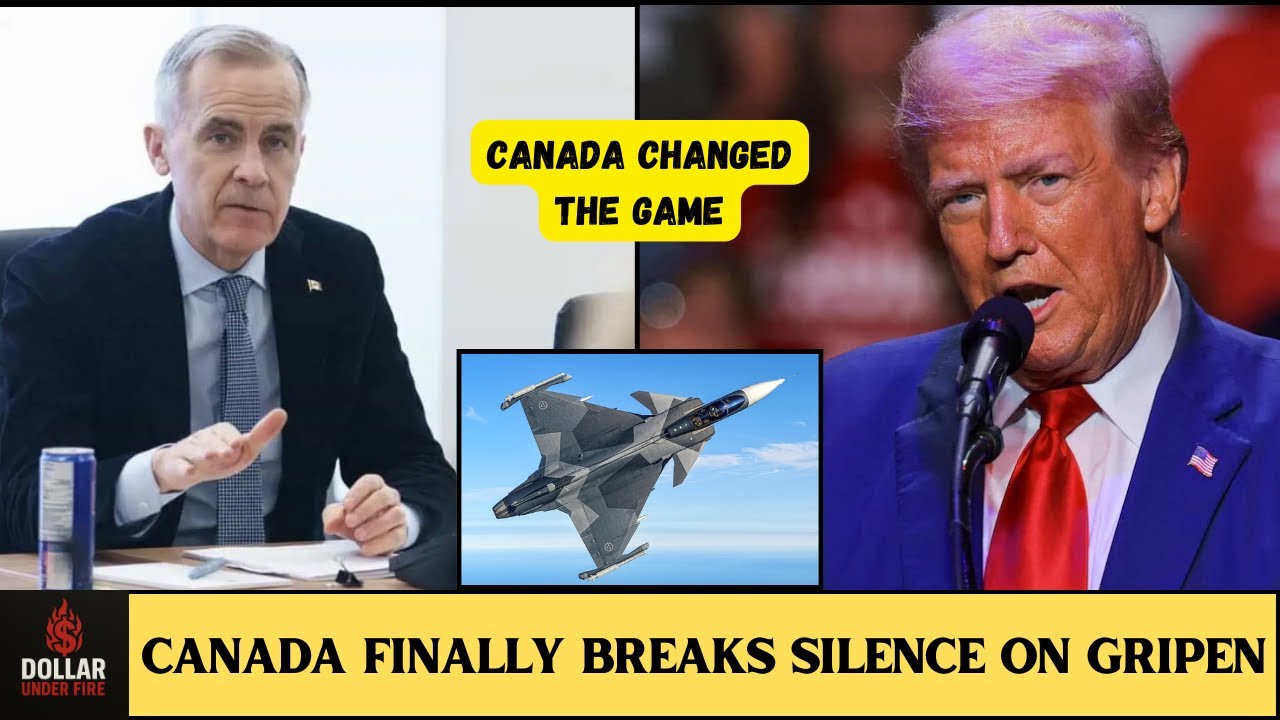
Canadian defense planners concluded that long-term reliance on tightly controlled software ecosystems carries structural risks. Over time, operational autonomy can erode quietly. Each upgrade becomes a request. Each modification requires approval. Strategic decisions risk being constrained by external priorities rather than national ones. This assessment was not rooted in mistrust, but in long-term strategic mathematics.
Within this framework, Canada explored an alternative model — one that offered not just a fighter aircraft, but a fundamentally different operating philosophy. The approach emphasized full software access, domestic maintenance authority, independent upgrade capability, and system integration aligned with national defense needs. For Canada, this distinction mattered profoundly.

Geography played a decisive role. Northern Canada and the Arctic present extreme operational challenges: vast distances, harsh weather, limited infrastructure, and growing strategic competition as climate change opens new routes and resources. Aircraft optimized for ideal conditions and specialized support environments struggle in such terrain. Flexibility, rapid maintenance, dispersed basing, and resilience matter more than theoretical performance advantages.
Canada’s analysis emphasized the ability to operate from short runways, remote locations, and austere environments — conditions where assumptions built into many modern platforms quickly break down. In the Arctic, defense planning cannot rely on perfect logistics or centralized bases. Systems must assume disruption, not stability.
Beyond military considerations, the decision carries significant industrial implications. Rather than channeling defense spending outward into foreign supply chains, Canada prioritized domestic capability development. Local assembly, long-term manufacturing commitments, workforce training, and deep integration between industry and universities form the backbone of this approach. Engineers gain access not only to hardware, but to advanced avionics, systems integration, and software architecture — the true currency of modern defense power.

Maintenance autonomy is where the strategic advantage becomes most tangible. Externally governed platforms often face delays tied to permissions, supply priorities, or software access restrictions. By contrast, domestic control enables faster turnaround, higher readiness rates, and operational planning fully aligned with national timelines. Training efficiency improves as well, allowing faster force generation and system customization for unique environmental conditions.
In Washington, official concerns focused on interoperability and alliance cohesion. However, NATO doctrine already accommodates diverse platforms, and joint exercises routinely integrate mixed fleets. The deeper unease stemmed from precedent. If a close ally like Canada could retain full NATO integration while stepping outside a locked ecosystem, other nations might question long-standing assumptions of dependency.
Canada did not challenge NATO, nor did it distance itself from allies. Instead, it reframed its role — from a passive adopter of inherited structures to an active partner shaping its long-term defense posture. In a world where power increasingly resides in software access, upgrade authority, and operational control, this recalibration carries weight far beyond a single aircraft decision.

The move demonstrates that sovereignty and cooperation are not mutually exclusive. Modern alliances do not require uniformity to remain strong. Sometimes, resilience is built through diversity — systems designed to withstand disruption rather than assume perfection. Canada’s decision reflects a mature reassessment of defense power, grounded in geography, industrial reality, and long-term national interest.
Ultimately, Canada did not reject its allies. It rejected the idea that loyalty must come at the expense of control. In doing so, it quietly rewrote how air power, sovereignty, and partnership may coexist in the modern alliance system.