What began as a procedural skirmish on Capitol Hill has evolved into one of the most revealing political moments of D.o.n.a.l.d T.r.u.m.p’s post-presidency influence, exposing fractures within the Republican Party and raising urgent questions about the future of American health care. In a rare and consequential move, a small bloc of Republican lawmakers broke ranks with party leadership to force a vote on extending enhanced Affordable Care Act subsidies—an action that effectively stalled Trump-aligned healthcare proposals and underscored a shifting balance of power inside Congress.
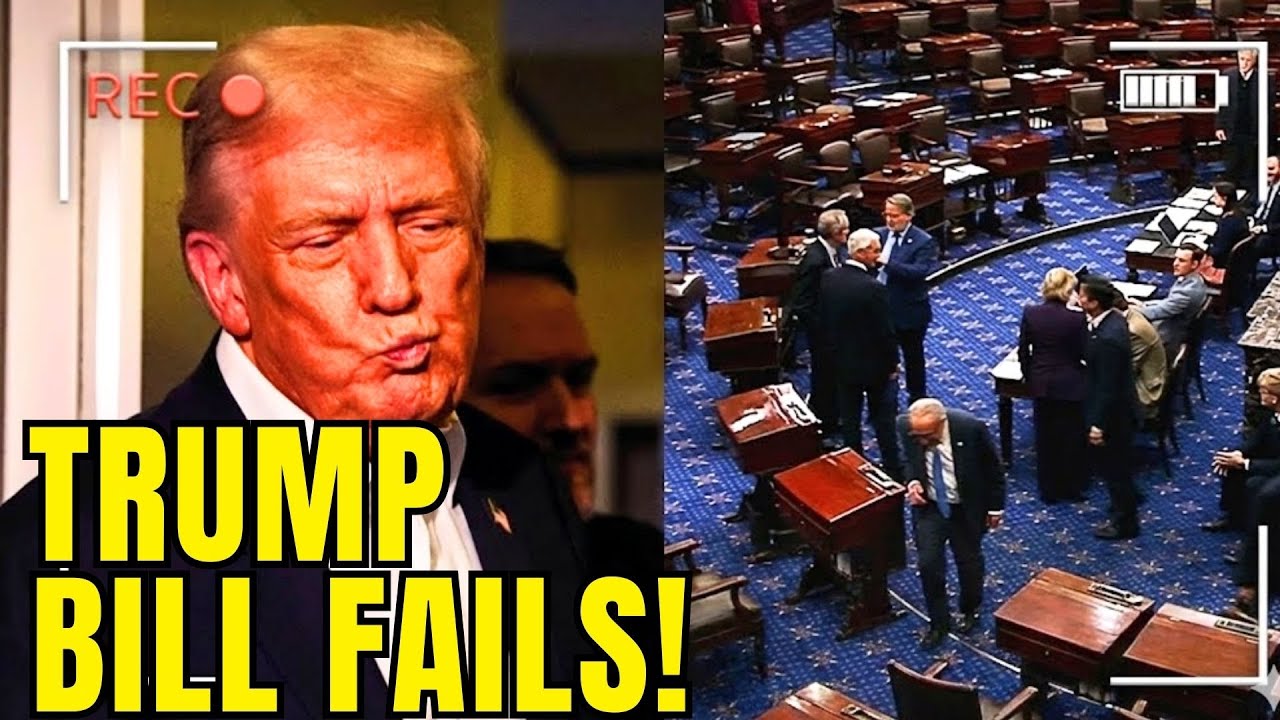
The episode unfolded quietly at first, buried beneath routine legislative maneuvering. But it quickly escalated as four Republicans, all representing politically vulnerable swing districts, joined Democrats in signing a discharge petition—a parliamentary tool seldom successful in the House. Their decision ensured that a bill to extend expiring health insurance subsidies would reach the floor, despite fierce opposition from House leadership and vocal resistance from Trump allies. For many observers, the move was less about policy than survival, reflecting mounting anxiety among lawmakers whose constituents face steep premium increases.

For Trump, the development represented more than a legislative setback. It signaled a growing inability to command party unity on one of the most politically sensitive issues in American life. Health care has long been the unresolved promise of Trump-era politics: repeated vows to repeal and replace Obamacare without a clear or broadly supported alternative. As the subsidies near expiration, millions of Americans risk seeing their insurance costs double or worse—a reality that has sharpened the political stakes.
Public reaction was swift. Lawmakers took to microphones and cable news studios with unusually blunt language, accusing leadership of failing to protect working families. One Republican congressman openly described the situation as a “failure of leadership,” while Democratic members framed the moment as proof that Republicans were willing to let health coverage lapse for ideological reasons. Social media amplified the confrontation, with clips from the House floor and committee rooms spreading rapidly across platforms.

Behind closed doors, according to congressional aides and strategists familiar with the discussions, tensions had been building for weeks. Moderate Republicans had reportedly urged leadership to pursue a temporary extension or compromise solution, warning that allowing subsidies to expire would be politically disastrous. Those warnings, insiders say, were dismissed. Faced with narrowing options and mounting constituent pressure, the breakaway lawmakers concluded that defiance was their only remaining path.
The political implications extend beyond the immediate healthcare debate. The Republicans who crossed party lines occupy districts that frequently swing between parties and were instrumental in securing the GOP’s narrow House majority. Their willingness to challenge leadership suggests that Trump’s influence, while still formidable, is no longer absolute—particularly when it collides with local political realities. Analysts note that similar dynamics played out during previous discharge petitions, when leadership ultimately relented rather than risk open revolt.
For Democrats, the moment reinforced a strategic posture they have leaned into since recent election cycles: defending existing healthcare structures rather than pursuing sweeping reforms. While critics on the left argue that the Affordable Care Act remains deeply flawed, party leaders recognize that preserving the status quo is politically resonant, especially when contrasted with uncertainty and rising costs. The argument that “things could get worse” has proven powerful, particularly among voters already strained by inflation and economic volatility.
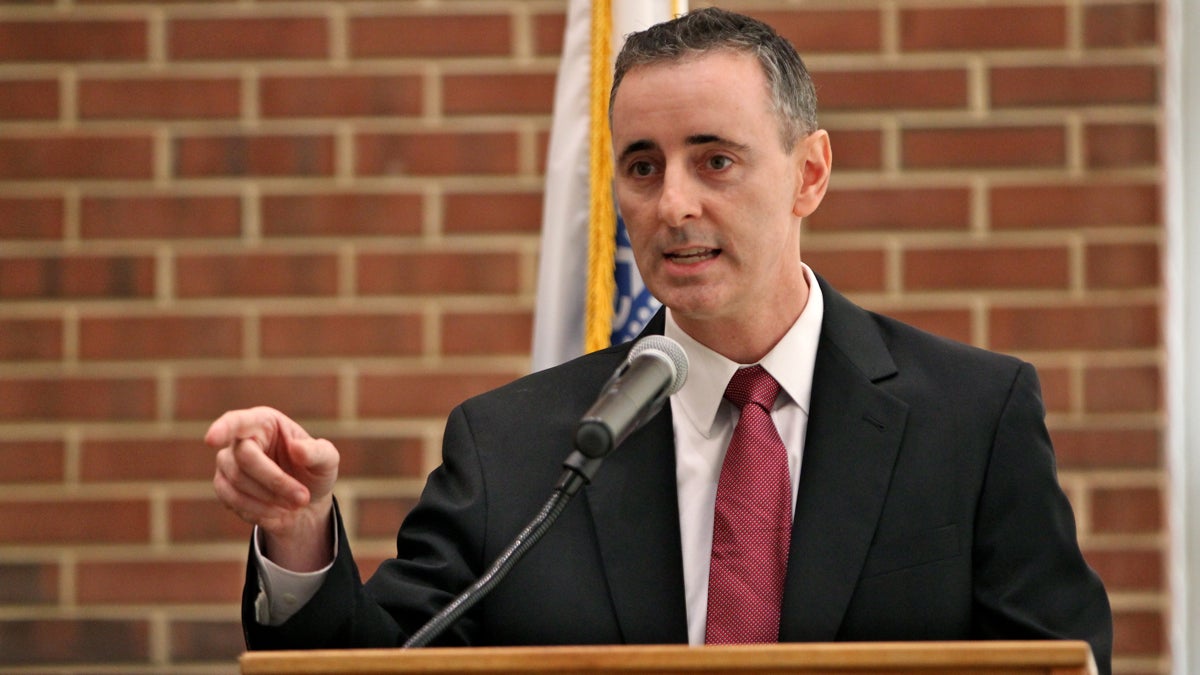
As the bill moves toward a likely House vote, attention now shifts to the Senate, where previous efforts to extend the subsidies have stalled. Whether the pressure generated by this bipartisan rebellion will alter that dynamic remains uncertain. What is clear is that the episode has laid bare a deeper truth about contemporary American politics: ideological loyalty is increasingly tested by electoral reality.
In the broader narrative surrounding D.o.n.a.l.d T.r.u.m.p, the healthcare standoff adds another chapter to a story defined by bold promises, internal party conflict, and unresolved policy legacies. It is a reminder that while Trump continues to shape the political conversation, the mechanics of governance—and the demands of voters—can still disrupt even the most carefully controlled agendas.