It began quietly, almost bureaucratically, before unfolding into one of the most consequential health care showdowns in recent years. As enhanced Affordable Care Act (ACA) subsidies near their scheduled expiration, House Speaker MIKE JOHNSON, often referred to by critics and allies alike as “MAGA Mike,” has introduced a sweeping Republican health care proposal that has placed millions of Americans — and his own party — at a political crossroads.

The stakes are considerable. Without congressional action, an estimated 22 to 24 million Americans who rely on the ACA marketplace could face sharp premium increases, in many cases doubling monthly costs. For families already strained by inflation, housing shortages, and rising medical expenses, the loss of enhanced tax credits threatens to push health insurance out of reach entirely. Yet Johnson’s proposal notably omits any extension of those subsidies, instead reviving long-standing Republican priorities aimed at restructuring the health care system rather than preserving the Affordable Care Act as it currently exists.
Johnson’s plan, spanning more than 100 pages, emphasizes expanded access to association health plans for small businesses and the self-employed, alongside increased oversight of pharmacy benefit managers, or PBMs, entities long criticized for opaque pricing practices in the prescription drug market. Supporters argue the approach targets structural inefficiencies and cost drivers. Critics counter that association plans often provide weaker coverage than ACA-compliant insurance, potentially exposing consumers to higher out-of-pocket costs and limited benefits.
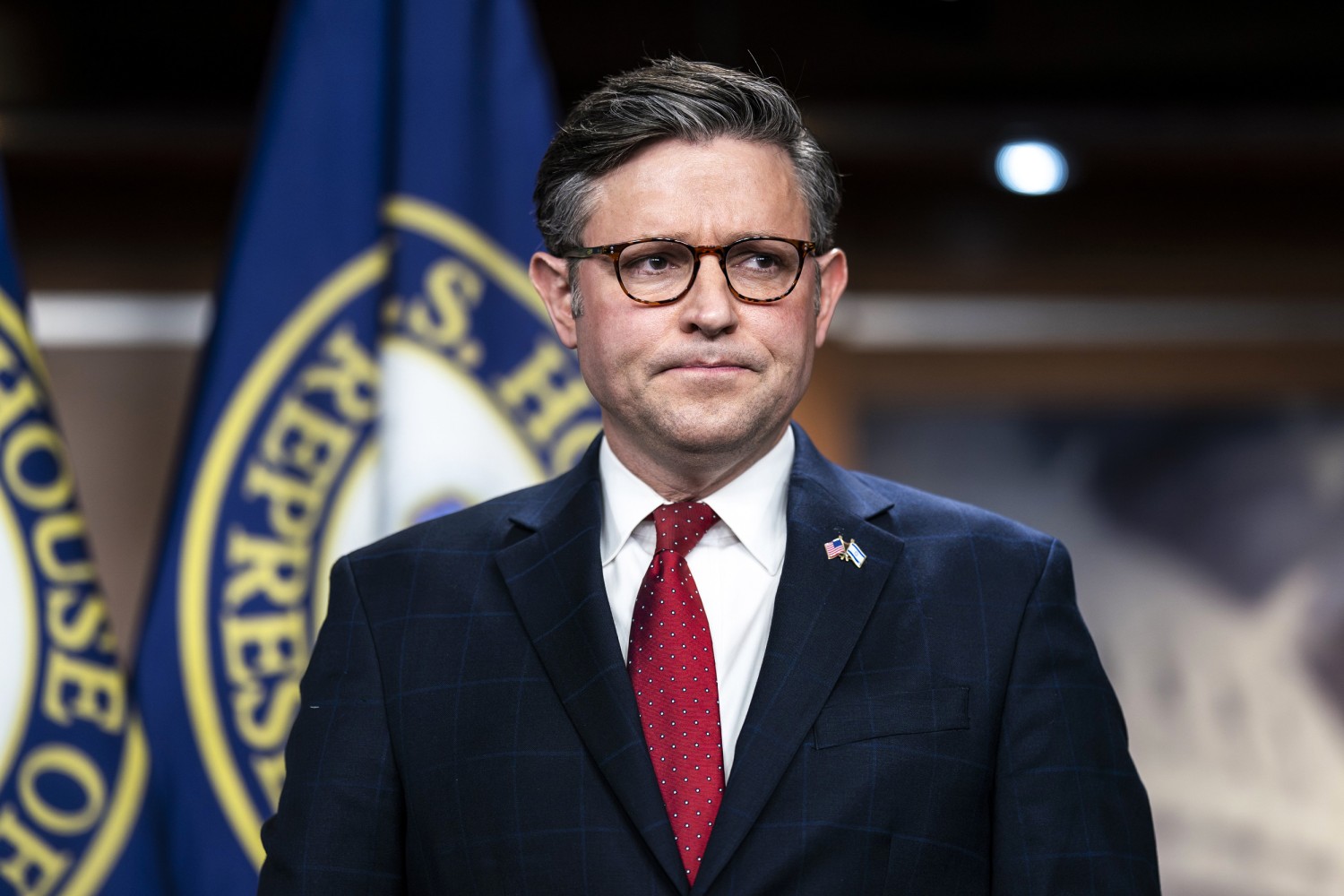
Behind closed doors, the proposal has intensified internal Republican tensions. Insiders familiar with leadership discussions say the Speaker is navigating competing pressures: conservative lawmakers demanding a decisive break from Obamacare, moderates warning of electoral backlash, and a ticking legislative clock. With Congress approaching adjournment and no bipartisan agreement in sight, Johnson’s strategy has left swing-district Republicans increasingly uneasy.
The political context is impossible to ignore. T.R.U.M.P’s influence continues to loom large over the party’s health care posture. Speaking publicly, D.O.N.A.L.D T.R.U.M.P has once again promised a “better alternative” to Obamacare, floating the idea of direct payments to help Americans purchase insurance while offering few specifics. For many lawmakers, the absence of details underscores a familiar pattern: bold rhetoric paired with unresolved policy mechanics.
Meanwhile, the Senate has failed to advance competing proposals from both parties, including a Republican framework centered on health savings accounts and a Democratic bill aimed at extending subsidies. The legislative stalemate has prompted a rare procedural gambit in the House. A small group of centrist Republicans, working alongside Democrats, has begun circulating discharge petitions designed to force votes on temporary subsidy extensions — a move that bypasses leadership control but rarely succeeds.

One such effort, led by Republican Representative Brian Fitzpatrick, would trigger a vote on a two-year extension paired with anti-fraud measures and PBM reforms. Another, introduced by Democrat Josh Gottheimer, proposes a one-year extension with stricter income eligibility rules. Both initiatives signal mounting frustration with inaction, even as party leaders remain divided over the path forward.
Beyond Capitol Hill, the potential fallout is already visible in states heavily reliant on Medicaid and ACA coverage. Health policy experts warn that lapsing subsidies could accelerate rural hospital closures, increase uncompensated care, and deepen the nation’s already staggering medical debt burden — currently estimated at over $220 billion. When coverage erodes, patients delay care, arrive sicker, and strain emergency systems, costs that ultimately ripple across the broader economy.
The debate has reignited broader questions about the future of American health care. Advocates for systemic reform argue that incremental fixes have failed to provide stability, pointing to international comparisons where the United States spends more per capita on health care yet ranks near the bottom on access and outcomes among wealthy nations. Proposals such as expanding Medicare to a larger population have reentered public discourse, framed not as ideological experiments but as responses to persistent instability.
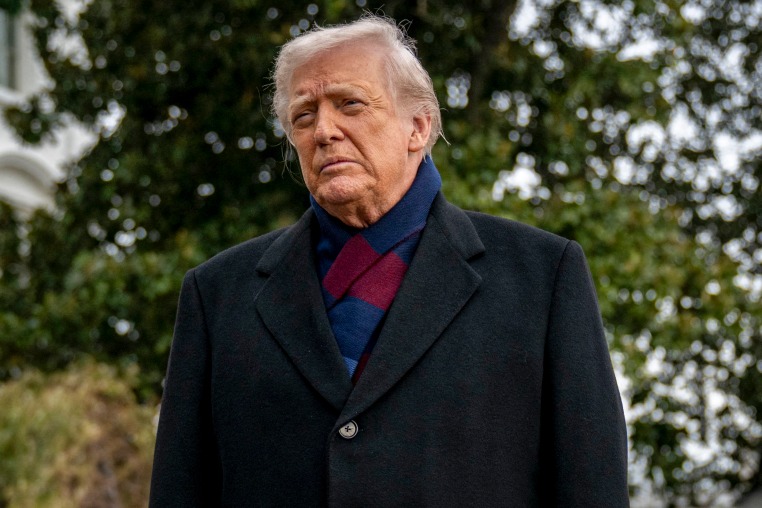
For Johnson, the moment represents a defining test of leadership. His decision to prioritize structural overhaul over short-term relief has sharpened partisan divides and exposed fractures within his own caucus. As premiums, politics, and policy collide, the ACA crisis has evolved into more than a health care debate — it has become a referendum on governance, accountability, and the direction of a party still shaped by T.R.U.M.P’s enduring shadow.
Whether Congress acts before the deadline remains uncertain. What is clear is that the consequences of inaction will not remain confined to Washington, but will be felt in households, hospitals, and insurance markets across the country.