Judge Rebukes Justice Department After Missed Deadlines Complicate High-Profile Case
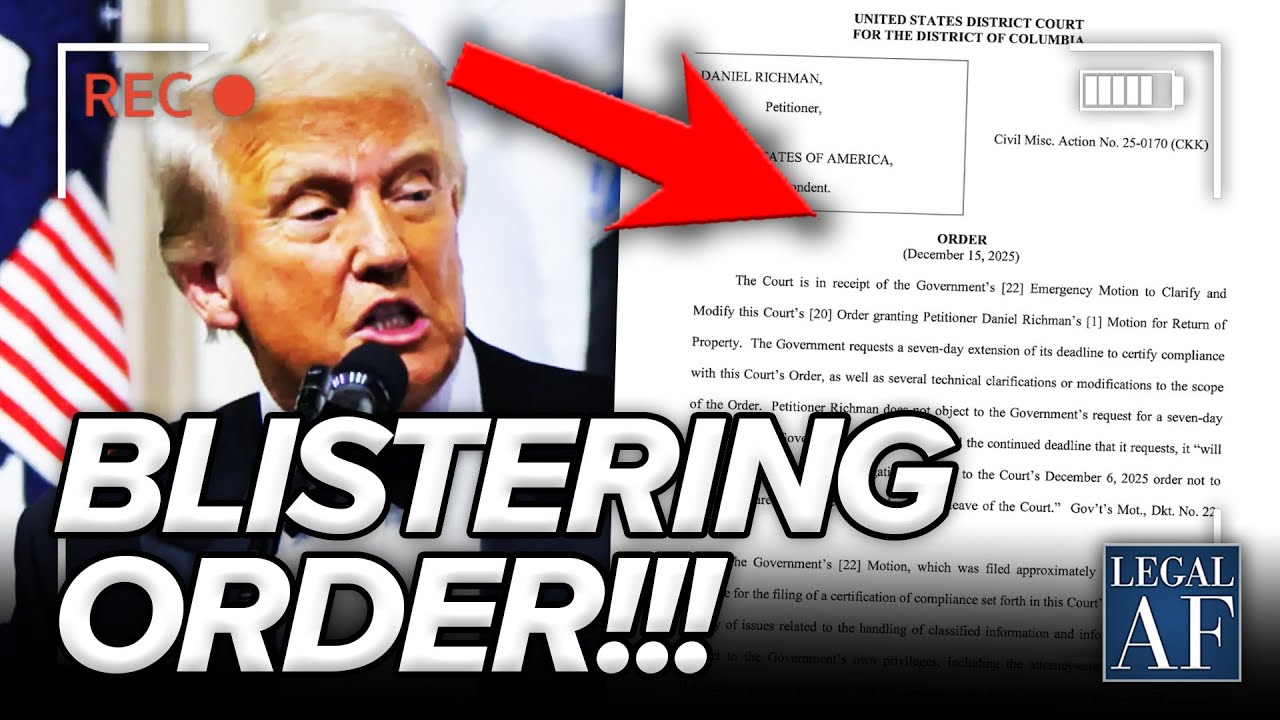
Washington — A federal judge sharply criticized Justice Department lawyers this week after prosecutors missed multiple court-ordered deadlines and then sought last-minute relief, a procedural breakdown that has injected uncertainty into a closely watched case involving former F.B.I. Director James B. Comey.
The episode unfolded during a tense hearing in federal court, where the judge questioned the government’s explanations for the delays and warned that repeated failures to comply with scheduling orders risk undermining the orderly administration of justice. While the court stopped short of imposing sanctions, the judge signaled that patience was wearing thin.
“Deadlines are not suggestions,” the judge said, according to a transcript. “They exist to ensure fairness to all parties and the efficient resolution of disputes.”
A Pattern of Lapses
The dispute centers on the government’s failure to meet deadlines related to filings and disclosures that the court had previously ordered. When the deadlines passed without submission, prosecutors filed an emergency motion seeking additional time, citing internal review issues and what they described as confusion over the scope of the court’s instructions.
Defense lawyers pushed back, arguing that the explanations did not justify the delays and that the pattern raised questions about the government’s preparedness.
“This is not an isolated oversight,” defense counsel said in court. “It reflects a lack of diligence that prejudices our ability to proceed.”
Justice Department officials declined to comment on the specifics of the case, citing ongoing litigation. In filings, prosecutors insisted that the delays were inadvertent and denied any intent to gain tactical advantage.
Judicial Skepticism
The judge appeared unconvinced by claims that the court’s earlier orders were unclear, noting that the government had ample opportunity to seek clarification before deadlines expired. The court directed prosecutors to submit a detailed accounting explaining who was responsible for meeting the deadlines and why corrective steps were not taken sooner.
Legal experts said such orders are a clear warning.
“When a judge asks for a timeline and names, it means the court is evaluating whether the failure was excusable or systemic,” said Mary McCord, a former senior Justice Department official.
Stakes for the Case
The procedural turmoil has cast a shadow over the broader case, which centers on actions taken during a politically sensitive period. While the judge emphasized that no ruling had been made on the merits, he acknowledged that procedural missteps can have real consequences.
“Courts can exclude evidence, impose sanctions or adjust schedules when one side repeatedly fails to comply,” said Stephen Vladeck, a constitutional law professor at Georgetown University. “In extreme cases, cases can be dismissed, though that is rare.”
At the hearing, defense attorneys suggested that continued delays could prejudice their client and asked the court to consider remedies if the pattern persists.
The Justice Department Under Pressure
The episode comes at a time when the Justice Department is under heightened scrutiny in politically charged cases. Former officials said that even minor procedural errors can take on outsized significance when public confidence is at stake.
“The department’s credibility rests on meticulous adherence to process,” said a former federal prosecutor who requested anonymity. “When deadlines are missed, it invites questions — fair or not — about competence and fairness.”
Current Justice Department leadership has repeatedly emphasized its commitment to independence and professionalism. Still, the judge’s rebuke underscored the institutional expectation that prosecutors meet the same standards they demand of others.
A Narrow Ruling, For Now
Despite the sharp language, the judge stopped short of imposing immediate penalties. Instead, he granted a limited extension while warning that further lapses would not be treated leniently.
“This is not a blank check,” the judge said.
The court also reset the schedule, compressing certain deadlines to minimize delay and signaling an intent to keep the case moving.
What Comes Next
Prosecutors must now comply with the revised timetable and submit the ordered explanation. Defense lawyers said they would review the government’s filings closely and reserve the right to seek additional relief if problems continue.
For now, the case remains active, but the procedural dispute has highlighted how quickly docket management can become a central issue — especially in cases with political overtones.
“Procedure is substance in federal court,” said Vladeck. “When it breaks down, everything else is affected.”
A Reminder of Judicial Authority
The episode serves as a reminder that federal judges wield significant authority to enforce their orders, regardless of the parties involved.
“Courts expect compliance, not excuses,” said McCord. “That expectation applies equally to the government.”
Whether the Justice Department’s explanation satisfies the court will determine whether the dispute fades into the background or escalates further. For now, the judge’s message was clear: in a courtroom, even the government is bound by the clock.