WORLD LEADERS ERUPT AS EUROPE DIRECTLY CONFRONTS DONALD TRUMP AND CALLS HIS BLUFF
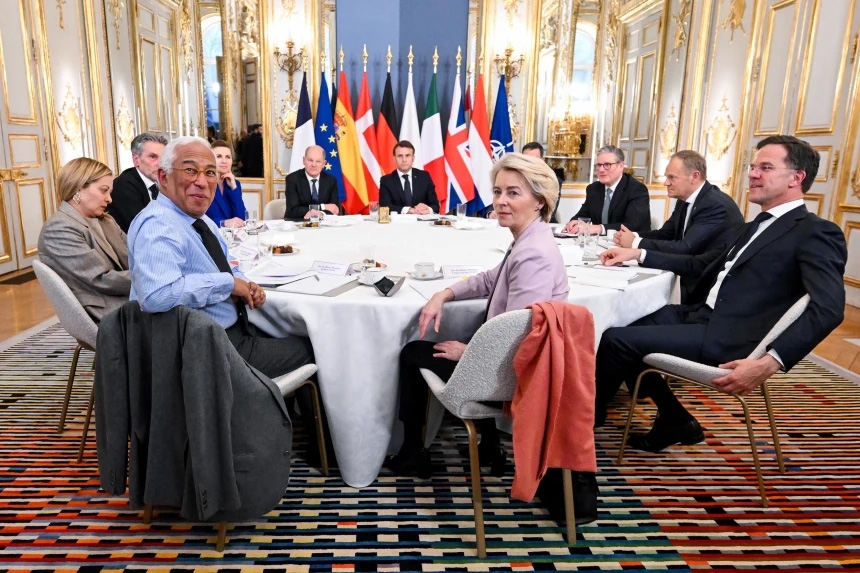
In a startling escalation of geopolitical tension, European leaders have openly confronted President Donald Trump, signaling a shift in the balance of power on the continent. Over the past weeks, a series of high-level meetings and public statements have revealed growing frustration with what officials describe as an inconsistent and opaque U.S. foreign policy stance regarding Russia and Ukraine. The message from Berlin to Brussels has been clear: Europe is prepared to take matters into its own hands if it must.
The European reaction appears to be fueled by two converging pressures: the ongoing Russian invasion of Ukraine and a perception of unreliability from the U.S. administration. British intelligence, led by the first female head of MI6, has underscored the sophistication of Russia’s “gray zone” tactics—cyber attacks, drone surveillance, and state-sponsored sabotage—all of which test the resilience of European societies without triggering full-scale war. “We must recognize the export of chaos as an element of Russia’s strategy,” the MI6 chief warned. “Our support to Ukraine is enduring, and Europe must be prepared for continued provocation until deterrence is absolute.”
In Germany, Chancellor Friedrich Merittz made headlines by declaring that the Pax Americana, the post–World War II security framework, is effectively over. “The Americans are asserting their own interests,” Merittz said. “We must assert our own as well. Europe is neither weak nor insignificant.” His remarks, widely covered in European and American media, highlight an unprecedented shift toward European strategic autonomy, a movement partly catalyzed by perceived missteps in Trump’s handling of Ukrainian security guarantees.
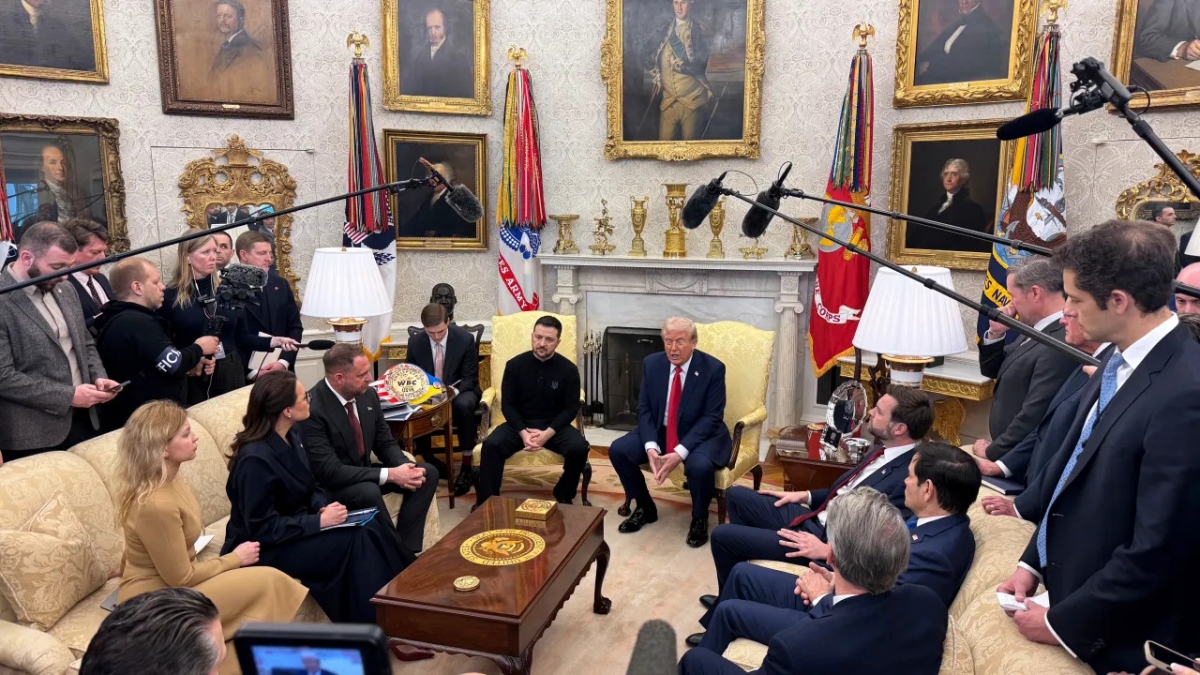
Behind the headlines, sources indicate that tension between European diplomats and the Trump administration has been escalating in closed-door negotiations. The German foreign minister reportedly characterized recent U.S.-brokered discussions as “coordinated with Moscow beforehand,” suggesting a troubling alignment that European officials fear could undermine Ukraine’s sovereignty. Ukrainian President Volodymyr Zelensky and other officials have expressed caution, emphasizing the importance of binding security guarantees, real military support, and clear mechanisms to prevent further Russian advances.
Meanwhile, the U.S. President has publicly downplayed the extent of Ukraine’s resilience, stating in press conferences that the country has “already lost” key territories. Analysts point out that while Russia has taken portions of eastern Ukraine, it has not achieved the sweeping territorial gains that Trump implied. The contrast between European assessments and Trump’s public commentary has fueled skepticism over his strategy, and has prompted a wave of discussion among security experts and media outlets on both sides of the Atlantic.
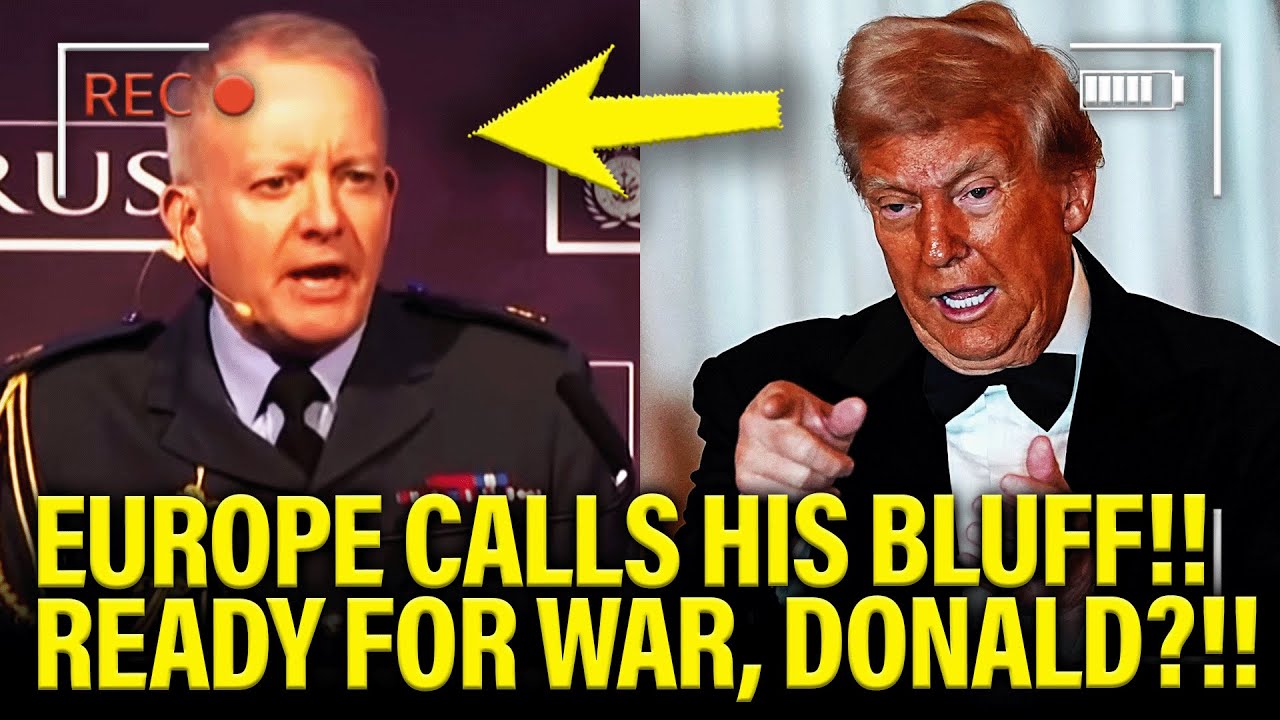
The stakes extend beyond Ukraine. European military leaders, including the United Kingdom’s Air Chief Marshal Sir Richard Knighton, have warned that Europe must prepare for a conflict on a scale not seen since the mid-20th century. Knighton stressed that deterrence requires not only strong armed forces but a society-wide readiness: infrastructure resilience, industrial capacity, and strategic skills development. His remarks echo concerns that a potential war could have cascading effects across civilian populations and economies, further heightening the urgency for coordinated defense measures.
Complicating matters, insiders have highlighted financial and strategic entanglements involving members of the Trump family in European real estate projects, raising questions about potential conflicts of interest in the administration’s foreign policy decisions. Kushner’s investment ventures, reportedly funded by foreign entities, have intersected with diplomatic channels, prompting scrutiny from both European and U.S. observers.
The European Union has proposed a multi-faceted plan to bolster Ukraine’s security: permanent military support, multinational coalition forces, legally binding deterrents, and clear pathways for Ukraine’s integration into European institutions. These measures, while ambitious, underscore Europe’s intent to act independently if necessary, signaling a recalibration of traditional transatlantic alliances. Russian officials, by contrast, continue to demand full Ukrainian capitulation and rollback of NATO expansion, leaving little room for compromise.
For American and global audiences, these developments serve as a stark reminder that the post-Cold War security order is under unprecedented strain. Trump’s rhetoric, juxtaposed with Europe’s assertive response, paints a picture of a world where trust and traditional alliances are fragile, and where decisive leadership—or the lack thereof—can reverberate across continents.
As the situation unfolds, analysts suggest that the coming months will test the limits of diplomacy, military readiness, and public patience. The confrontation between Europe and the Trump administration is more than a political skirmish; it is a potential turning point in global power dynamics, and a moment when the stakes are literally international security. The drama is intensifying, and observers are watching closely, knowing that each statement, each negotiation, could tip the balance in ways that are unpredictable and irreversible.
Watch this space carefully—Europe’s assertive posture and Trump’s controversial approach may redefine global politics, and the next move could shock the world.