A Battle Over Legacy, and a Familiar Obama Rebuttal
WASHINGTON — For weeks, the White House had been quietly signaling its intention to undo what President Trump has long described as the “overrated accomplishments” of his predecessor. Regulations bearing Barack Obama’s imprint were rolled back, advisory panels dissolved, and speeches sharpened with a familiar refrain: that the previous administration’s achievements were either exaggerated or harmful, and that history would eventually agree.
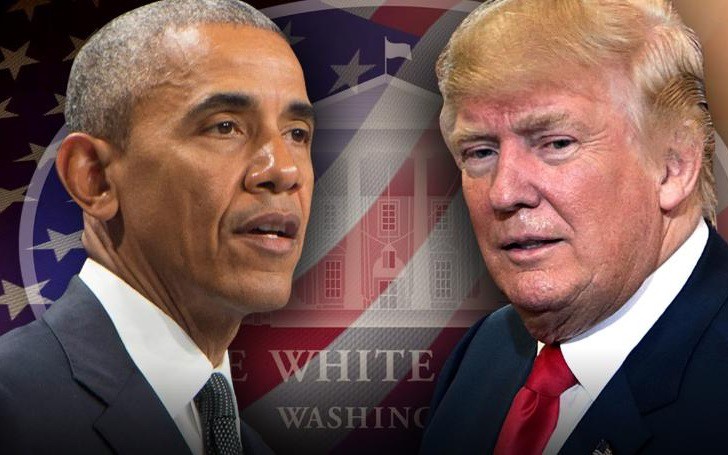
What followed instead was a reminder that Mr. Obama, though absent from elective office, remains one of the most effective communicators in American politics — and that attempts to erase a presidency rarely go unanswered.
The moment came not with a rally or a protest, but with a carefully timed response that rippled through Washington and beyond. Speaking at a public forum on civic leadership, Mr. Obama addressed the subject obliquely at first, praising institutions, continuity and what he called “the stubborn resilience of facts.” Then, with a measured shift in tone, he dismantled the premise underlying the Trump administration’s campaign: that his presidency had been a failure best forgotten.
“Policies can be changed,” Mr. Obama said, according to those in attendance. “But outcomes don’t disappear simply because they’re inconvenient.”
The line landed with force. Within hours, excerpts of the remarks were circulating widely, framed as a pointed rebuttal to Mr. Trump’s efforts to recast the Obama years as a cautionary tale. Political analysts noted that the former president never mentioned Mr. Trump by name, a tactic he has employed repeatedly since leaving office, allowing the contrast to do the work for him.
The Trump administration’s push to diminish Mr. Obama’s legacy has been both ideological and personal. From health care to climate policy, Mr. Trump has made reversal a governing philosophy, often describing his actions as a necessary correction to what he calls years of mismanagement. Allies argue that voters elected him precisely to break with the past.
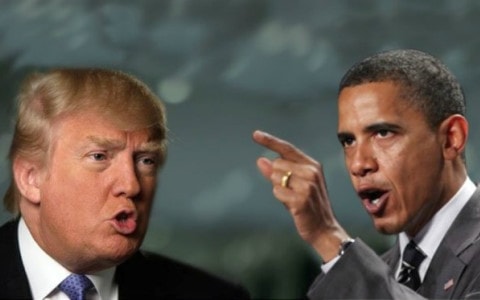
Yet critics say the campaign has gone further than policy disagreement, edging into historical revisionism. They point to the repeal of signature initiatives without acknowledging their impact, and to rhetoric that dismisses measurable outcomes — expanded insurance coverage, economic recovery after the financial crisis, diplomatic agreements — as irrelevant.
Mr. Obama’s response was notable not only for its content, but for its restraint. Rather than engaging in a direct confrontation, he invoked data, precedent and institutional memory. The effect, several former aides said, was deliberate: to remind the public that governing records are judged over time, not erased by decree.
The contrast in styles was stark. Mr. Trump has approached the issue as a fight, framing legacy as something that can be conquered. Mr. Obama treated it as a matter of record, suggesting that achievements persist regardless of who occupies the Oval Office.
Reaction in Washington was swift. Some Republicans accused Mr. Obama of inserting himself into contemporary politics, arguing that former presidents should remain silent. Democrats, meanwhile, celebrated what they described as a dignified but devastating rejoinder — one that highlighted experience and steadiness over grievance.
“This wasn’t about sparring,” said a Democratic strategist familiar with the response. “It was about reminding people that history has receipts.”
Inside the White House, officials downplayed the moment, insisting that the administration’s agenda would proceed unchanged. But privately, aides acknowledged frustration that an effort intended to marginalize Mr. Obama had instead amplified his voice.

For Mr. Trump, the episode underscored a recurring challenge: his predecessor remains a reference point he cannot fully escape. Each attempt to negate the Obama era risks reviving comparisons — of tone, temperament and results — that the administration would prefer to avoid.
For Mr. Obama, it was a return to a familiar role: the calm counterweight to a more combative successor. He offered no rallying cry, no call to action. Instead, he relied on something subtler — confidence in the durability of his record.
In the end, the confrontation was less about two men than about how presidencies are remembered. Policies may be reversed, and narratives contested, but legacies, once formed, resist erasure. And as Washington was reminded this week, they can still answer back.