JUST IN: Canada Takes the Deal the U.S. Wanted — A Quiet Move That’s Reshaping Global Power
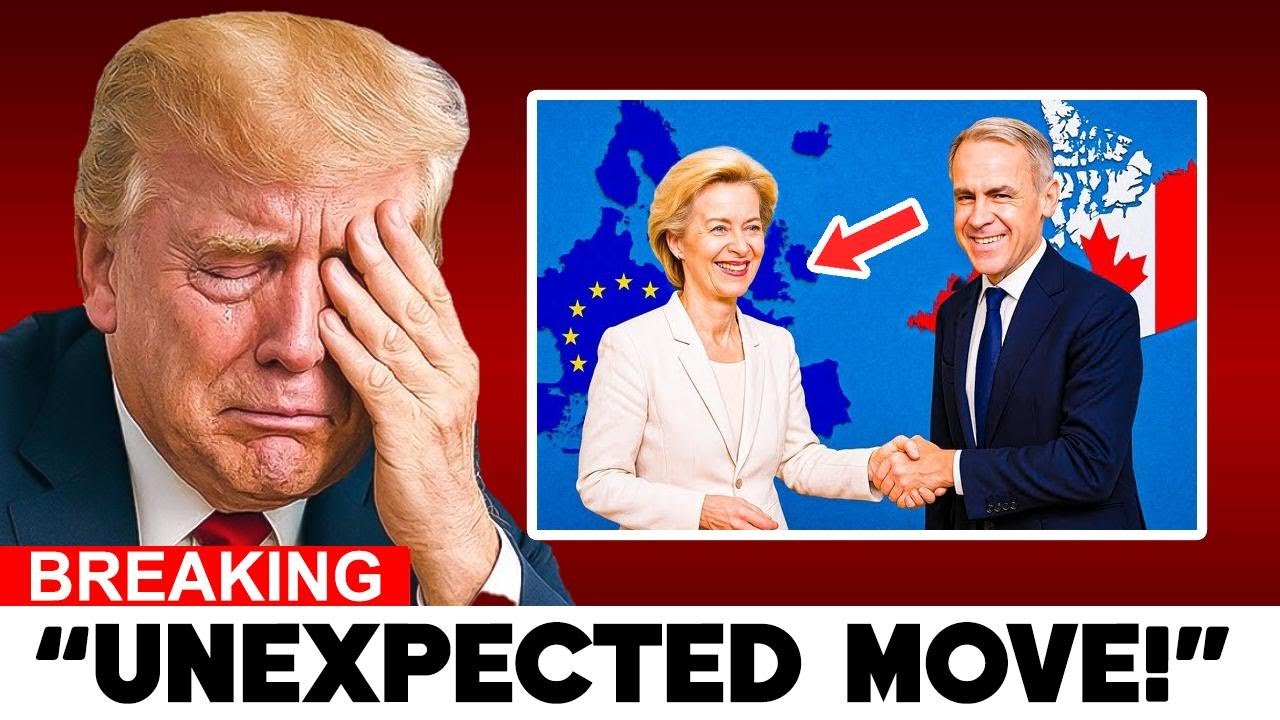
Canada has just executed one of the most unexpected strategic breakthroughs in modern geopolitics. By securing entry into the European Union’s Security Action for Europe (SAFE) agreement, Ottawa stepped into a defense framework that had been designed exclusively for European partners. The shock was immediate: neither the United States nor the United Kingdom was admitted. Canada, widely viewed as a close ally but not a continental power, crossed a line that reshapes decades of defense planning and alliance dynamics.
SAFE is far more than a diplomatic handshake. It is the backbone of Europe’s rearmament strategy, granting access to multi-billion-dollar industrial programs, procurement pipelines, and long-term strategic coordination. For years, this structure remained inaccessible to non-European countries. Canada’s inclusion signals a deliberate shift in how Europe defines trust, reliability, and partnership at a moment of global uncertainty.
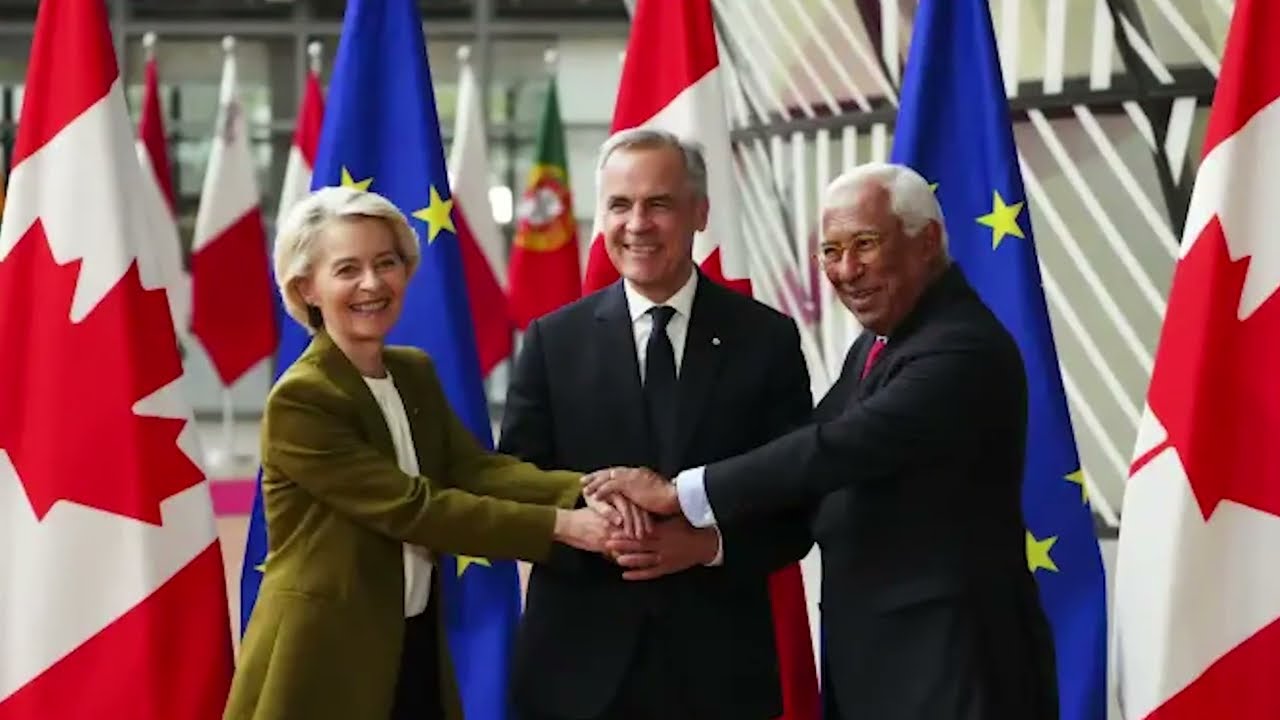
What stunned analysts was the contrast in outcomes. Washington never gained entry. London attempted to join but was blocked after projected participation costs surged into the billions. Canada entered with a $10 million contribution — a figure so modest it sent a clear message. This was not about purchasing influence. Brussels was choosing a partner based on predictability, stability, and long-term alignment rather than size or historical dominance.
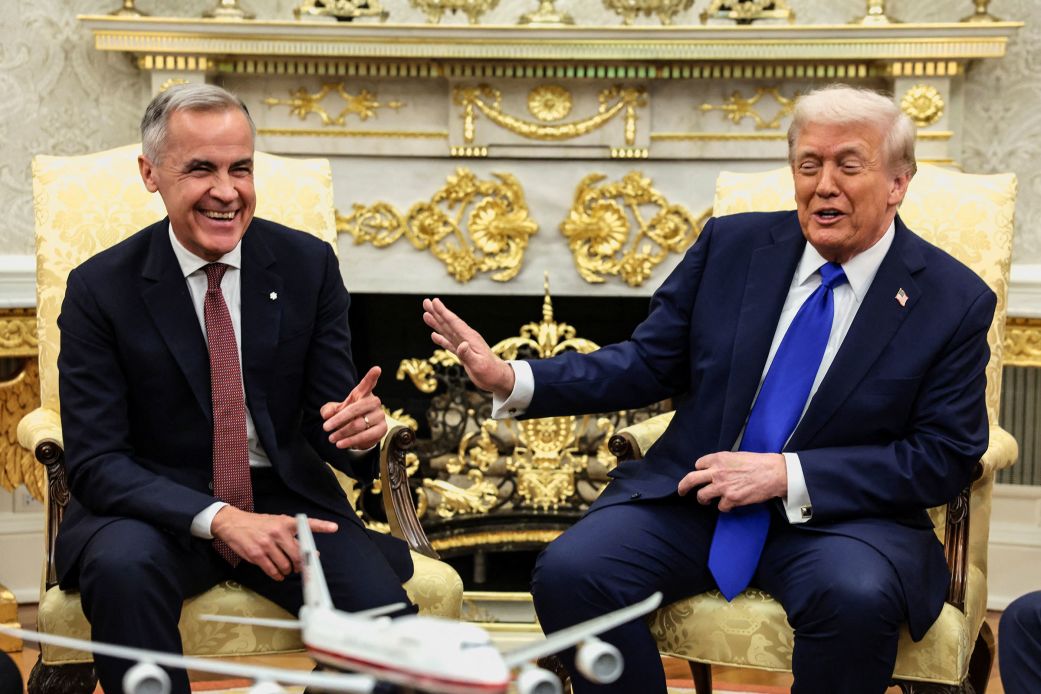
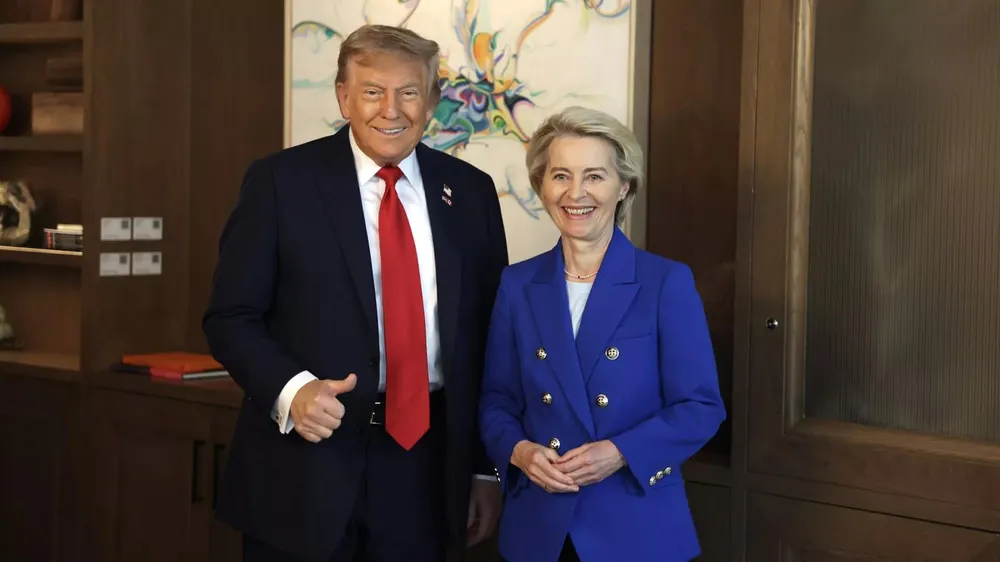
That choice comes amid growing European unease over U.S. volatility. Trade threats, tariff warnings, and abrupt policy reversals have made long-term planning increasingly difficult. President Donald Trump’s repeated signals of aggressive trade action against the EU intensified concerns about relying too heavily on Washington. Against this backdrop, Canada positioned itself as a calm, consistent alternative when Europe was actively searching for dependable partners.
The scale of SAFE explains why this move matters so deeply. Through the EU’s Readiness 2030 framework, Europe could mobilize up to $1.3 trillion in defense-related spending over the next decade. This includes $150 billion in targeted rearmament funds and a defense loan facility of roughly $244 billion aimed at rapidly expanding production capacity. Canada is now inside this architecture, no longer on the periphery but operating with access comparable to EU member states.
For Canadian companies, the implications are immediate and transformative. SAFE opens doors to sectors long restricted to European producers, including munitions, unmanned aerial systems, armored vehicles, artillery components, and advanced missile-related technologies. Europe faces acute shortages in precisely these areas, making Canada’s entry not only symbolic but economically strategic.
Industry experts believe Canada could emerge as a secondary production hub within Europe’s defense supply chain. With abundant clean energy, strong metallurgical capacity, and policy stability, Canadian facilities are well positioned to absorb production Europe cannot scale quickly enough. Thousands of skilled jobs could follow across Ontario, Quebec, and Atlantic Canada as manufacturing lines expand to meet long-term European demand.
Beyond economics, the geopolitical signal is unmistakable. A midsized country has surpassed the United States and the United Kingdom in gaining access to one of the world’s most consequential defense programs. SAFE marks a structural realignment in global power, where influence is no longer defined by size or legacy alone. In this new era, reliability beats dominance — and Canada just proved it.