Washington — A routine House vote on Tuesday gave way to a sudden and destabilizing confrontation that underscored the precarious hold Speaker Mike Johnson has on his conference, as Representative Marjorie Taylor Greene of Georgia signaled a last-minute push to remove him from leadership. The move, which unfolded rapidly on the House floor and across social media, revealed deep fractures inside the Republican Party and raised fresh questions about its ability to govern.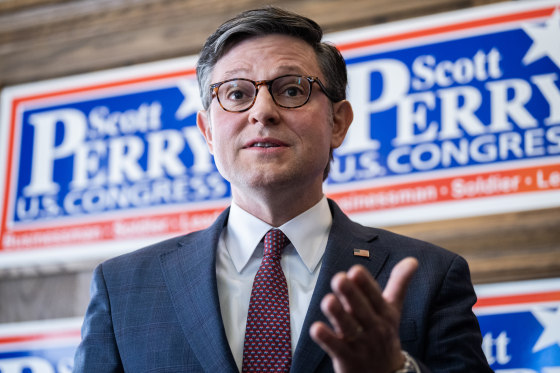
The immediate trigger appeared procedural, but the implications were unmistakably political. As lawmakers cast votes, Greene made clear she was prepared to advance a motion to vacate the chair — the same mechanism that toppled Speaker Kevin McCarthy last year — accusing Mr. Johnson of abandoning conservative principles. Within minutes, lawmakers’ phones buzzed with messages from aides, activists and donors seeking clarity on what was unfolding.
“It felt like the temperature changed instantly,” said one Republican lawmaker, who requested anonymity to describe private reactions. “People realized this wasn’t theater. This was real.”
Mr. Johnson, a Louisiana Republican who rose to the speakership as a consensus figure after weeks of party paralysis, has struggled to balance the demands of hard-line conservatives with the practical necessity of keeping the government funded. His willingness to rely on Democratic votes to pass stopgap spending measures has increasingly drawn the ire of the party’s right flank.
Greene’s maneuver, according to several lawmakers and aides familiar with the discussions, was not spontaneous. In recent days, she and her allies had quietly canvassed colleagues, testing headcounts and gauging whether enough Republicans — and possibly Democrats — might support a procedural path to force a vote on Mr. Johnson’s leadership. Discharge petitions and other parliamentary options were discussed, though no formal filing had yet been made by Tuesday evening.
Behind closed doors, the mood among Republicans was tense. Some conservatives applauded Greene for confronting what they see as a pattern of broken promises. Others worried that another leadership fight would further damage the party’s standing with voters already frustrated by dysfunction in Washington.
“This is exactly what voters hate,” said a senior Republican aide. “Another circular firing squad when people are worried about inflation, wars overseas and the cost of living.”
Democrats, meanwhile, watched the drama with a mix of caution and calculation. While some privately expressed little desire to rescue Mr. Johnson, others acknowledged that his removal could usher in weeks of chaos — or empower a successor even less inclined to compromise.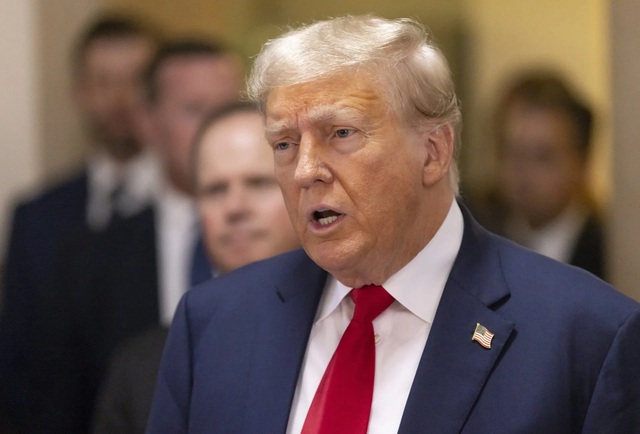
On the House floor, cameras captured lawmakers huddling in small groups, their expressions tense. Mr. Johnson offered few public comments, brushing past reporters and insisting he remained focused on governing. But aides said his team was scrambling to shore up support, holding rapid-fire meetings and reaching out to skeptical members.
The episode has also taken on symbolic weight. Greene, once among former President Donald J. Trump’s most vocal defenders, has positioned herself as an enforcer of ideological purity within the party. Her willingness to threaten another motion to vacate signals that the lesson of last year’s upheaval has not deterred hard-liners from using the same tactics again.
“It’s leverage,” said a Republican strategist familiar with the internal dynamics. “And it works because leadership knows the margin is razor thin.”
With Republicans holding only a narrow majority, Mr. Johnson can afford few defections. Even a small bloc of dissenters could grind House business to a halt — or cost him the gavel outright.
As of Tuesday night, it remained unclear whether Greene would formally move forward. But the warning had been delivered, loudly and publicly. Allies of the speaker said the coming days would be critical, with key deadlines on government funding approaching and nerves already frayed.
What was clear, lawmakers said, was that the House had once again entered a period of uncertainty. “This feels like the opening act,” one member said. “Whatever happens next, it’s not going to be quiet.”
In a Congress defined by slim margins and deep mistrust, the latest eruption served as a reminder that power on Capitol Hill is often provisional — and that, in today’s Republican Party, no speaker is ever entirely safe.