A Public Break in the Trump Era: Marjorie Taylor Greene, Presidential Power, and the Cost of Lost Favor
In Washington under President Donald Trump’s second administration, political loyalty is not merely a virtue; it is a form of currency. Few lawmakers understood that better than Representative Marjorie Taylor Greene of Georgia, who built her national profile as one of the president’s fiercest defenders. That is why the recent rupture between Greene and President Trump — triggered by his quiet withdrawal of political support — has sent tremors through Republican circles and reignited questions about power, leverage and survival in the Trump White House.

The break became visible after President Trump declined to publicly back Greene amid internal Republican disputes and strategic maneuvering inside Congress. In an administration where presidential endorsement often determines committee influence, fundraising access and media relevance, the omission was widely interpreted as intentional. Several officials familiar with internal discussions said the president viewed Greene as increasingly unpredictable at a moment when his administration is seeking tighter message discipline.
Greene responded swiftly and unusually forcefully. In interviews and online statements, she suggested that the president was turning his back on allies who had stood by him during impeachment battles, legal investigations and fierce electoral fights. Her words marked a sharp departure from years of near-total alignment with the president’s rhetoric and priorities.
President Trump, according to aides, was unmoved. While he avoided a direct public confrontation, he made his position clear in private conversations later echoed by allies: support from the Oval Office is conditional, not sentimental. One senior Republican official described the president’s view bluntly: “He believes loyalty is proven daily, not banked forever.”

The episode illustrates how power functions inside the Trump presidency. Endorsements, access and protection are tools of governance as much as policy memos and executive orders. By withdrawing visible support from Greene, President Trump sent a signal not only to her but to the broader Republican caucus — that proximity to the president is revocable.
For Greene, the consequences are tangible. Her influence has long depended on her role as a Trump-aligned firebrand, translating the president’s grievances into congressional theatrics. Without his explicit backing, her position becomes more precarious. Some Republican strategists say the moment forces Greene to choose between recalibration and escalation — moderation to regain favor or confrontation that could deepen the rift.
Among Republican voters, reaction has been divided. Some Trump supporters argue that Greene’s confrontational style has become a liability as the administration attempts to project stability at home and abroad. Others see her treatment as evidence that even the most loyal allies are expendable. Conservative media has amplified both narratives, framing the clash as either necessary discipline or internal betrayal.
Democrats have watched closely, viewing the split as further evidence of a governing style driven by personal allegiance. While the immediate legislative impact is limited, party leaders believe such conflicts weaken Republican cohesion at a time when President Trump is pushing an ambitious agenda on immigration, trade and executive authority.
Greene has since softened her tone, emphasizing shared goals with the administration and stopping short of a direct challenge to the president. The restraint reflects political reality. History shows that feuds in the Trump era are often fluid; public criticism can give way to reconciliation if strategic interests realign. Few Republicans who have openly broken with President Trump have thrived outside his orbit.
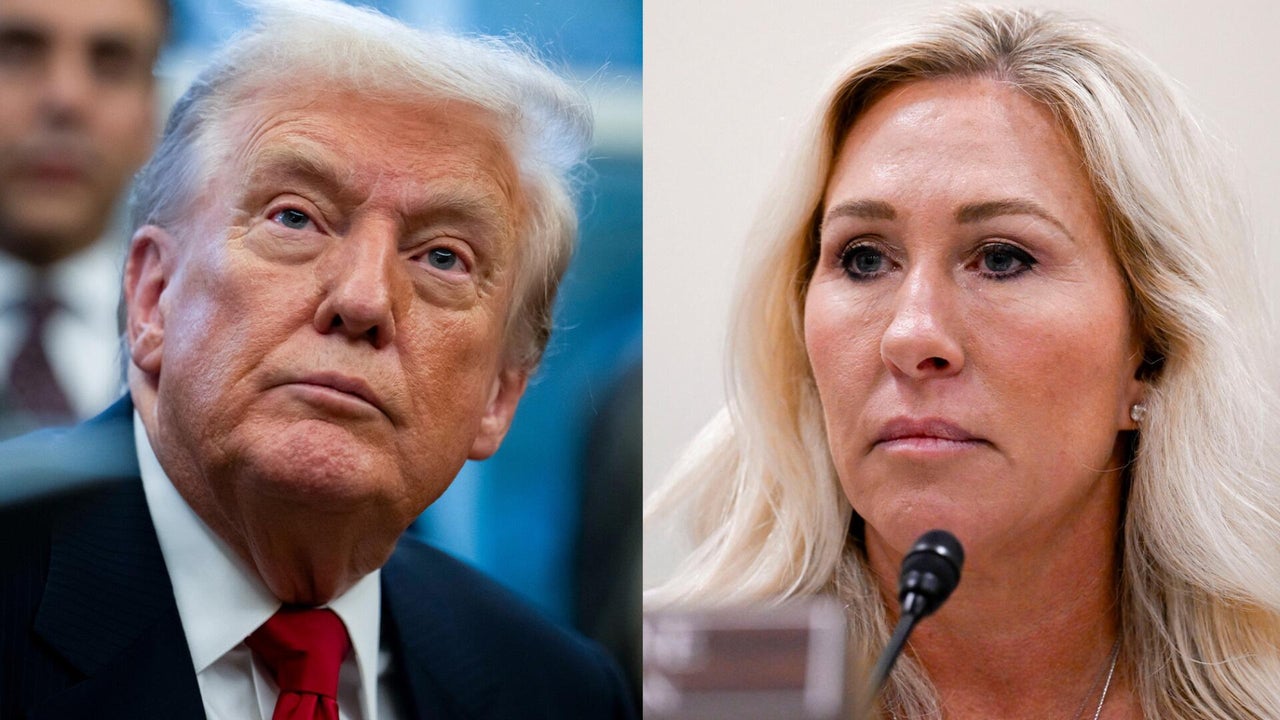
Whether this rift endures remains uncertain. President Trump has shown a willingness to restore allies when useful, just as he has demonstrated a readiness to sideline them when they become inconvenient. Greene’s future influence may depend less on past loyalty than on her ability to adapt to the evolving priorities of a presidency that demands constant affirmation.
What the episode ultimately reveals is the nature of power in the Trump administration: centralized, personal and relentlessly transactional. In this environment, allegiance is never assumed, forgiveness is conditional, and political survival depends on remaining indispensable to the president who holds the ultimate authority.