CANADA STANDS TALL: How Ottawa and Mexico Exposed Trump’s Trade Bluff and Shifted North America’s Balance of Power
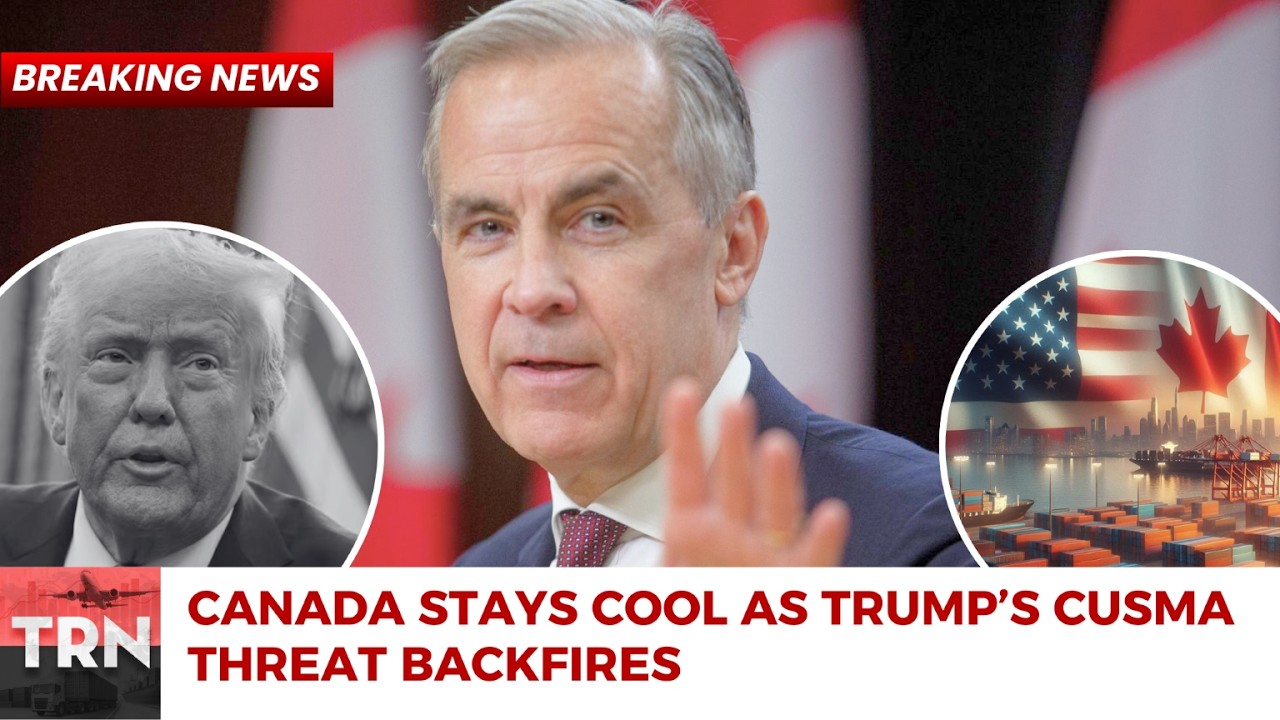
In a dramatic turn of events, Canada and Mexico are quietly rewriting the rules of North American trade, leaving President Donald Trump’s threats against the USMCA treaty largely ineffective. As Trump once again floated the idea of letting the trade agreement expire, Ottawa and Mexico City refused to panic. This rare display of composure signals a new era where Canadian and Mexican resilience is reshaping the continent’s economic landscape.
Unlike past administrations, Trump’s “shock-and-awe” trade tactics—designed to intimidate and isolate—have hit an unexpected wall. Canada, under Prime Minister Mark Carney, is refusing to negotiate from fear, projecting confidence in every move. Investors are noticing. Capital is gradually flowing north, supply chains are adjusting, and Ottawa is emerging as a more attractive, stable alternative to the chaos emanating from Washington.
Recent developments underscore the strategic depth of Canada’s approach. While Trump considered splitting USMCA into separate deals with Mexico and Canada, both countries have made it clear that trilateralism is non-negotiable. This unified front prevents the US from exploiting divisions, forcing Washington to confront a more balanced North American reality. Canada’s measured stance signals strength, not weakness, catching Trump off guard.

Beyond policy, Canadians themselves are asserting their independence. Travel statistics reveal a sharp decline in trips to the United States, with border crossings and air travel falling by over 25% year-over-year. Weekend shopping in cities like Detroit and Buffalo has collapsed, quietly demonstrating that economic pressure flows both ways. By choosing to stay home, Canadians are sending a clear message: they will not be pawns in a political chess game.
At the same time, Ottawa’s global strategy is expanding. Carney’s recent engagements in Southeast Asia, Europe, and Latin America highlight Canada’s diversification, with deals in critical minerals, energy, and agriculture reinforcing its autonomy. By building strong, stable partnerships abroad, Canada is no longer tethered solely to US economic whims, signaling to the world that it can thrive independently.
The contrast with Trump’s confrontational style could not be starker. Where Washington reacts with tariffs and threats, Ottawa responds with patience and strategy. Every move, from diversifying exports to maintaining domestic stability, reinforces Canada’s bargaining power. Even incremental progress in reducing US duties on steel and aluminum would be a testament to the effectiveness of calm over confrontation.
Meanwhile, the impact on the United States is increasingly visible. Businesses and voters are recognizing that tariffs, intended to project strength, are instead inflating costs, straining supply chains, and creating political headaches. From builders to farmers, the economic pain of Trump’s policies is mounting, weakening the leverage Washington once relied upon to dictate terms.
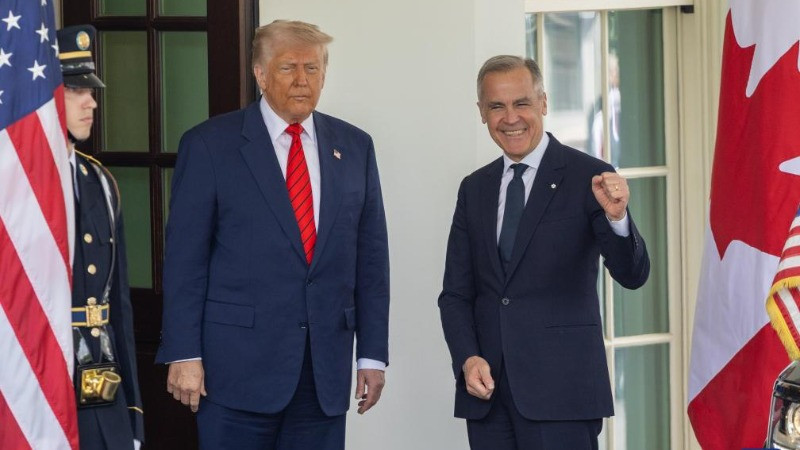
As Carney returns to the Oval Office for his second high-stakes meeting, it is clear that this is no longer a simple trade negotiation—it is a test of endurance, strategy, and national confidence. Canada has turned restraint into power, patience into influence, and unity with Mexico into a diplomatic shield. In this new North America, stability and foresight are proving far more potent than bluster and threats. The quiet victor may not be the loudest, but it is the most enduring.